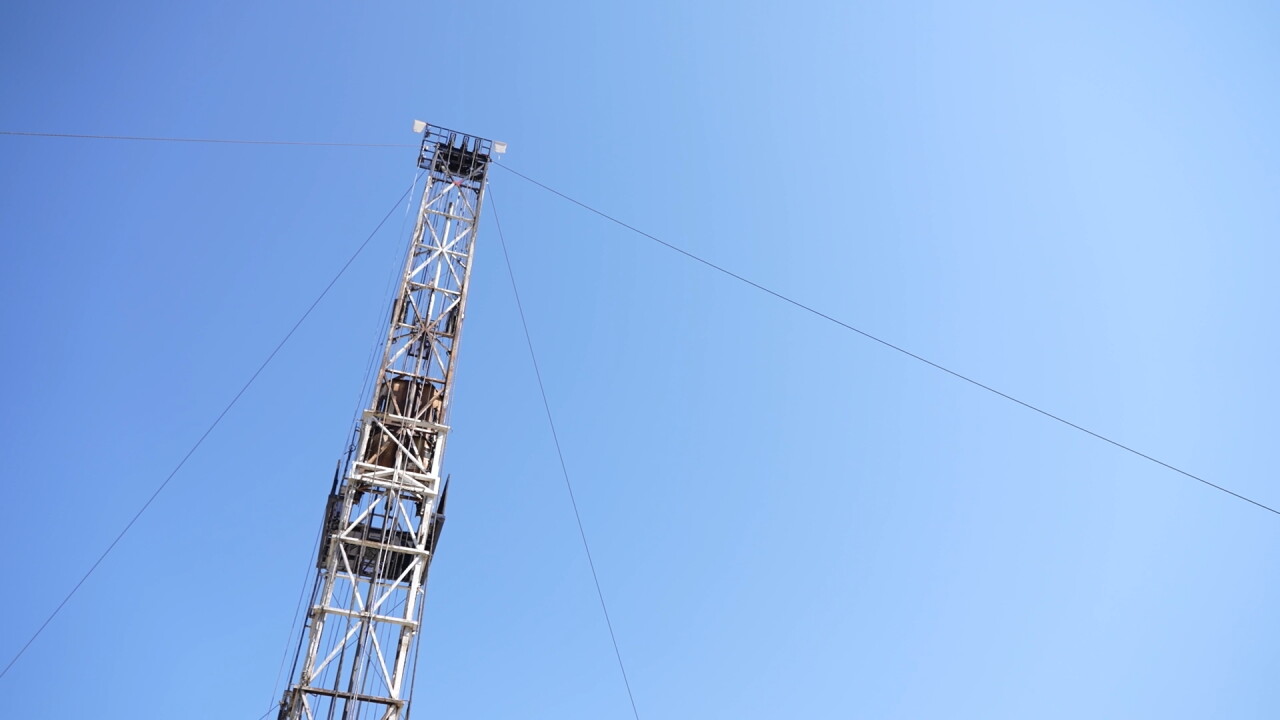
CARBON COUNTY, Mont. — In eastern Montana, oil and gas wells are part of the landscape, though many people may never realize they are there.
But when a well stops producing, the work is far from over.
WATCH: When a Montana gas well runs dry, the work is just beginning
Crews recently began the process of plugging a 4,500-foot-deep conventional natural gas well in Carbon County, somewhere between Belfry and Bridger, a job designed to safely seal the well and eventually return the surrounding land to its natural state.
“Each well is different in its own aspect,” said Travis Meidinger, a petroleum engineering technician with the Bureau of Land Management.
A nearly 100-foot-tall rig now stands over the well as crews work to close it.
“We don’t want this thing to come back alive,” Meidinger said.
The Miles City BLM Field Office oversees roughly 3,300 oil and gas wells, including active, inactive and idle wells, as well as wells that are eventually plugged.
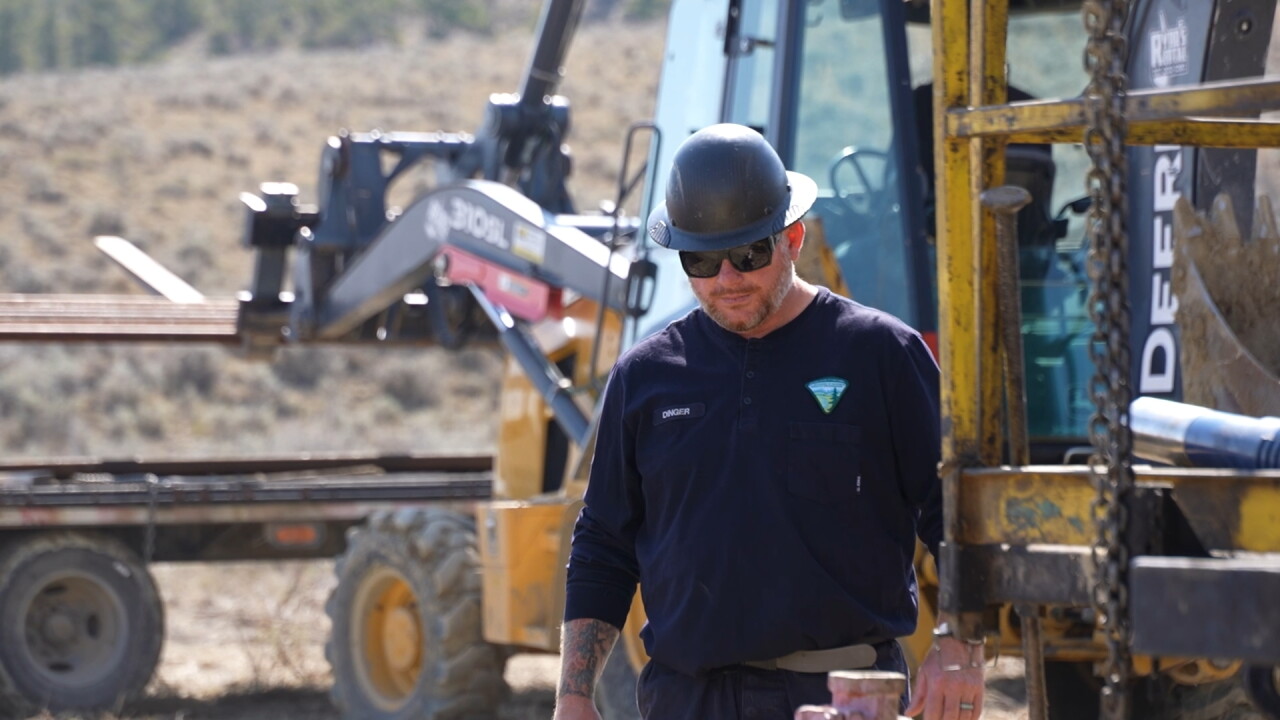
Meidinger works as a federal inspector overseeing oil and gas operations on public lands, from drilling and production through the final stages of a well’s life.
For this well, crews use mechanical tools and cement to seal the wellbore.
“What we’re going to do is we’re going to go in. We’re going to use mechanical tools. And we’re going to use cement to put in the hole,” Meidinger said.
Crews will set a series of four plugs deep underground, including one at the perforated area where the gas was produced.
“We’ll put a plug down at the perforated area, which is the production interval where the gas comes from,” Meidinger said.
Additional plugs are placed across other formations to isolate them and prevent them from communicating with one another.
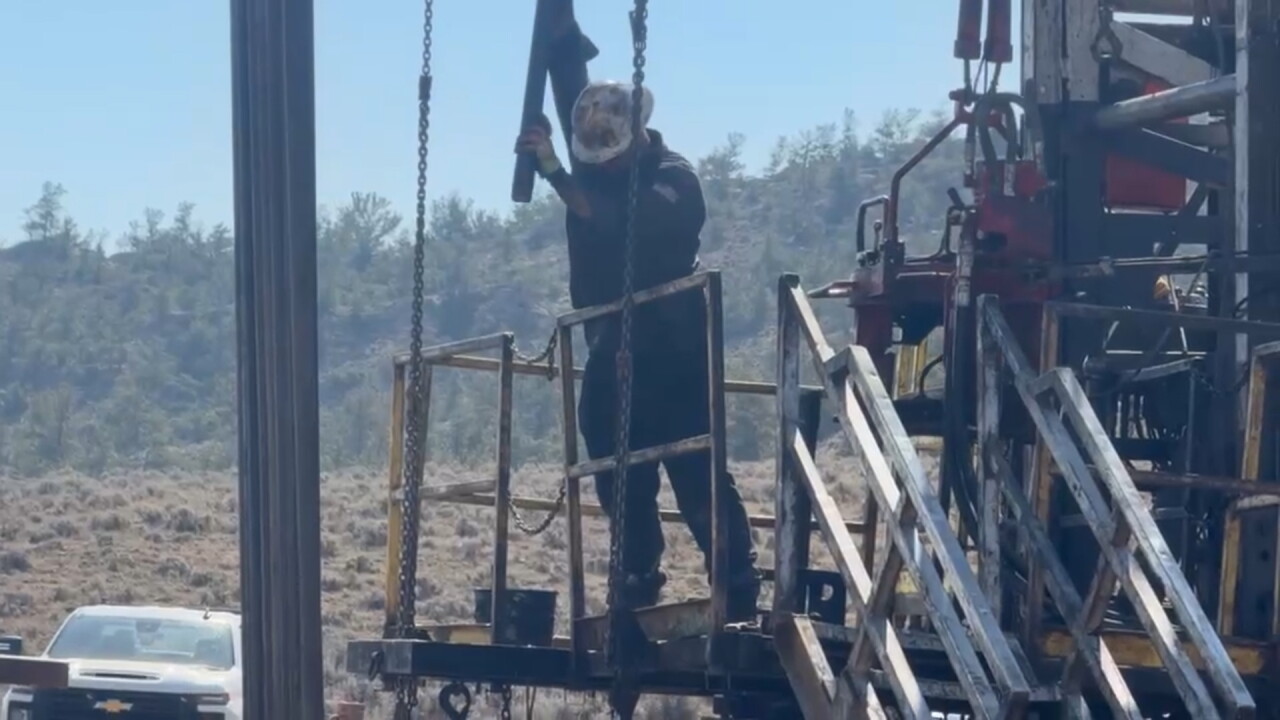
Once the underground work is complete, crews will cut the wellhead off below the surface, cover the site and begin reclamation.
Who pays for plugging a well?
In this case, the operator is responsible for the cost of plugging and reclaiming the well.
“The operator has a responsibility to plug those wells,” Meidinger said. “So they actually foot the bill.”
The cost can vary widely depending on the well and how difficult the site is to access.
Meidinger estimates plugging and reclamation of a typical well can cost between $20,000 and $100,000.
“20,000 to 100,000, there’s nothing cheap part of this,” he said.
Remote wells can cost significantly more.
“There could be wells that up into a million dollars to plug,” Meidinger said.
The cost can increase because of the logistics involved in getting equipment and specialized workers to remote locations.
Not every well has an operator left to pay for its cleanup. Meidinger said a well can become an orphan when the operators or owners are gone and there is no longer an active party responsible for it.
The BLM has a program to address orphan wells using federal grant funding, prioritizing wells that pose the greatest risk, including those near people and communities.
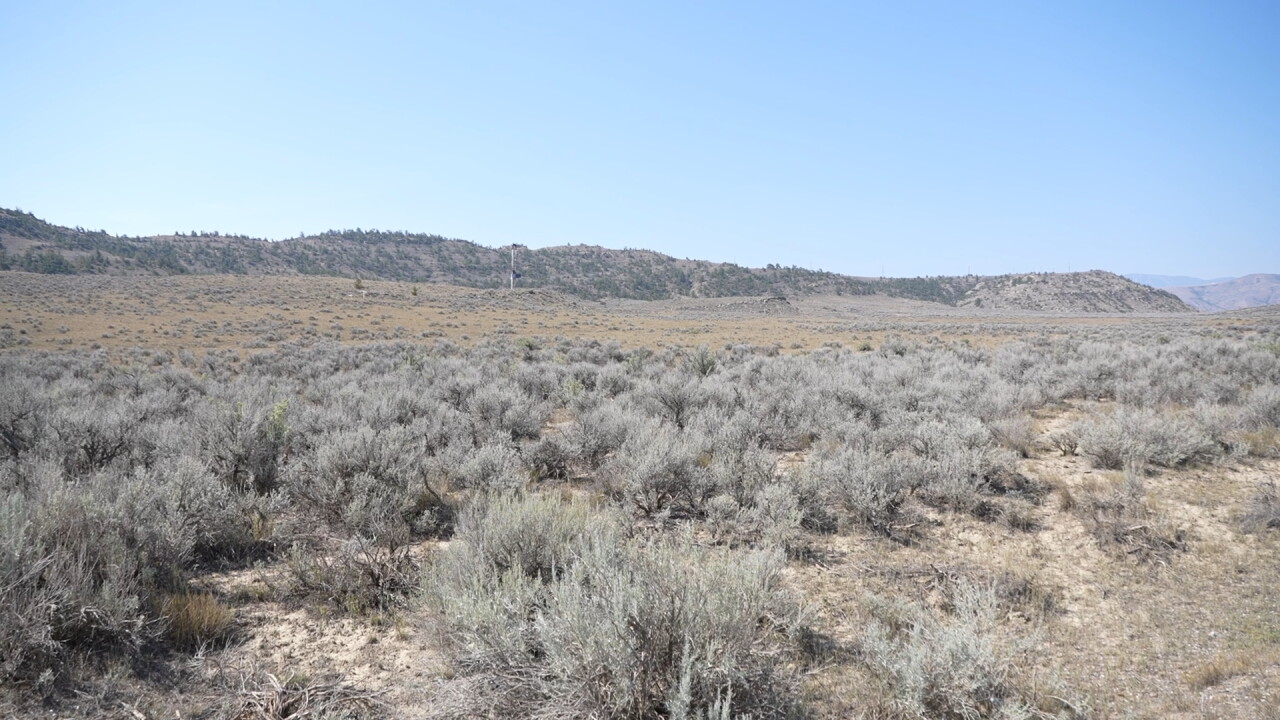
From well site to landscape
The plugging process can take anywhere from a couple of days to several weeks, depending on the well.
Meidinger said a conventional gas well typically takes two to five days to plug, though some can take up to 10 days. More complicated wells can take as long as 30 days.
Once the well is plugged, the BLM works to restore the site.
“Ideally, within two years, you know, it depends again, Mother Nature does what she does,” Meidinger said.
With enough rain and the right temperatures, crews can reseed the area with native grasses and allow sagebrush to return.
The goal is for the well site to eventually blend back into the surrounding landscape.
“When they’re plugged and abandoned, you would never know that well’s even been there,” Meidinger said.
For the BLM, that is the final step in the life of a well — securing it, reclaiming the land and leaving little evidence it was ever there.