


UPDATE: 09-03-2026, 5:30 p.m. — Statement from Dairy Farmers of America has been added to the story.
Previous:
BILLINGS — Newly obtained Montana Department of Livestock records reveal new details about the investigation into complaints that Meadow Gold milk was spoiling prematurely — including a serious problem found inside the Billings plant's pasteurization equipment.
WATCH STORY HERE:
The records show sanitation and maintenance concerns dating back to January.
But in late July, inspectors found what they described as “severe pitting” in the plates of the plant's high-temperature pasteurizer.
The Department of Livestock said it believes the condition of those plates was the likely cause of the consumer complaints.
Jared Tuck, president of Kalispell Kreamery, said problems inside a pasteurizer can be difficult to trace.
“It's so hard to narrow down the source of the cause of a problem, especially something with such a short shelf life.”
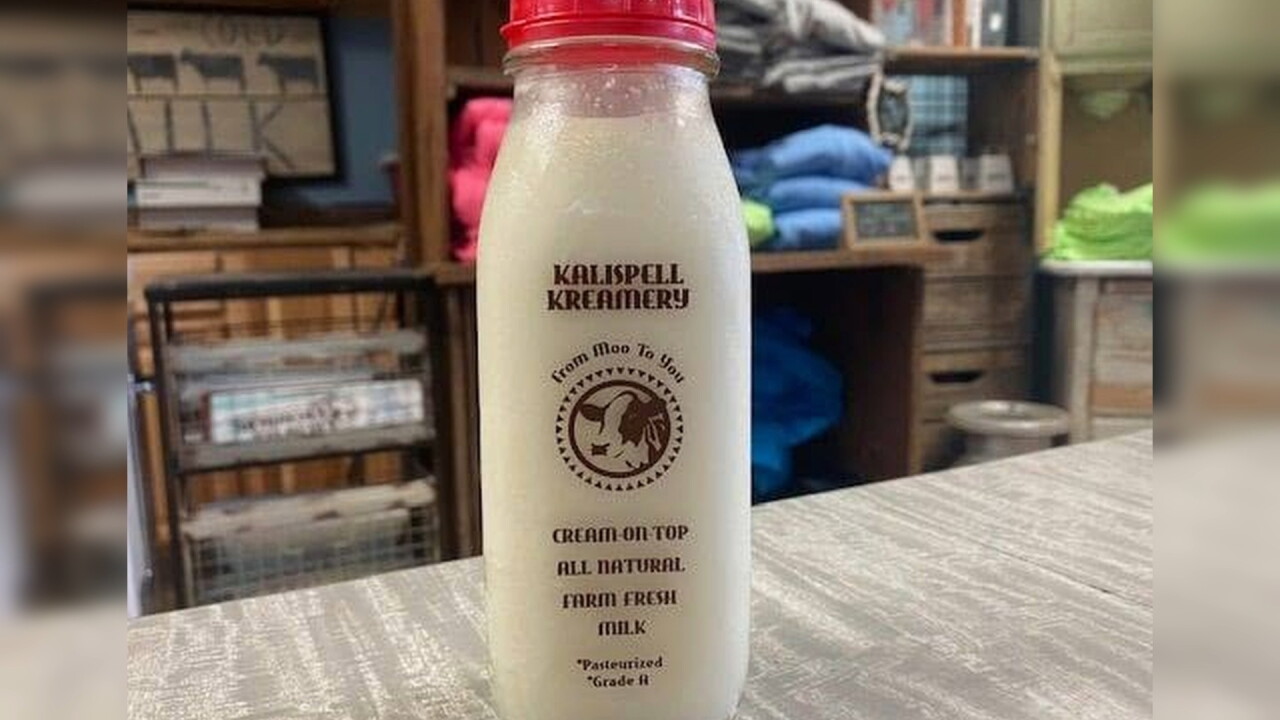
Tuck’s has been milking cows in the Flathead Valley since the 1970s and began bottling and distributing its own dairy products in 2009.
Sanitation concerns predated the spoilage complaints
A Jan. 2 inspection found water-damaged drywall above the production area, drywall dust coating equipment and product-contact surfaces that were not properly protected. Inspectors also noted old milk on the ground, cigarette butts and a strong urine smell around a resin silo.
By June and July, inspectors continued finding problems, including buildup and pooling water on pasteurization tanks, a gap above a production line, uncapped piping and bird activity near the loading dock. Some of those violations were found again during a July 27 inspection.
Severe damage found inside pasteurizer
On July 29, a state sanitarian watched Meadow Gold dismantle its pasteurizer so the plates could be inspected.
The department found: “Severe pitting in the plates.”
Tuck said pitting can create areas where bacteria can harbor and become difficult to clean.
“Anytime you have a scratch of a plate, that is a place that can harbor bacteria,” he said.
The stainless-steel plates separate raw milk from heat-treated milk during pasteurization.
The state said the pitting was severe enough that the plates did not allow proper cleaning and could progress into holes. If that happened, the department said raw milk could potentially cross into the heat-treated side and contaminate finished product.
Tuck said pasteurizers are designed with safeguards to prevent that type of crossflow.
“The way that pasteurizers are built, it shouldn’t happen,” he said.
He said the system monitors pressure between the raw and pasteurized sides and should shut down if those controls are compromised.
State regulators also routinely test the equipment.
State accuses Meadow Gold of concealing problem
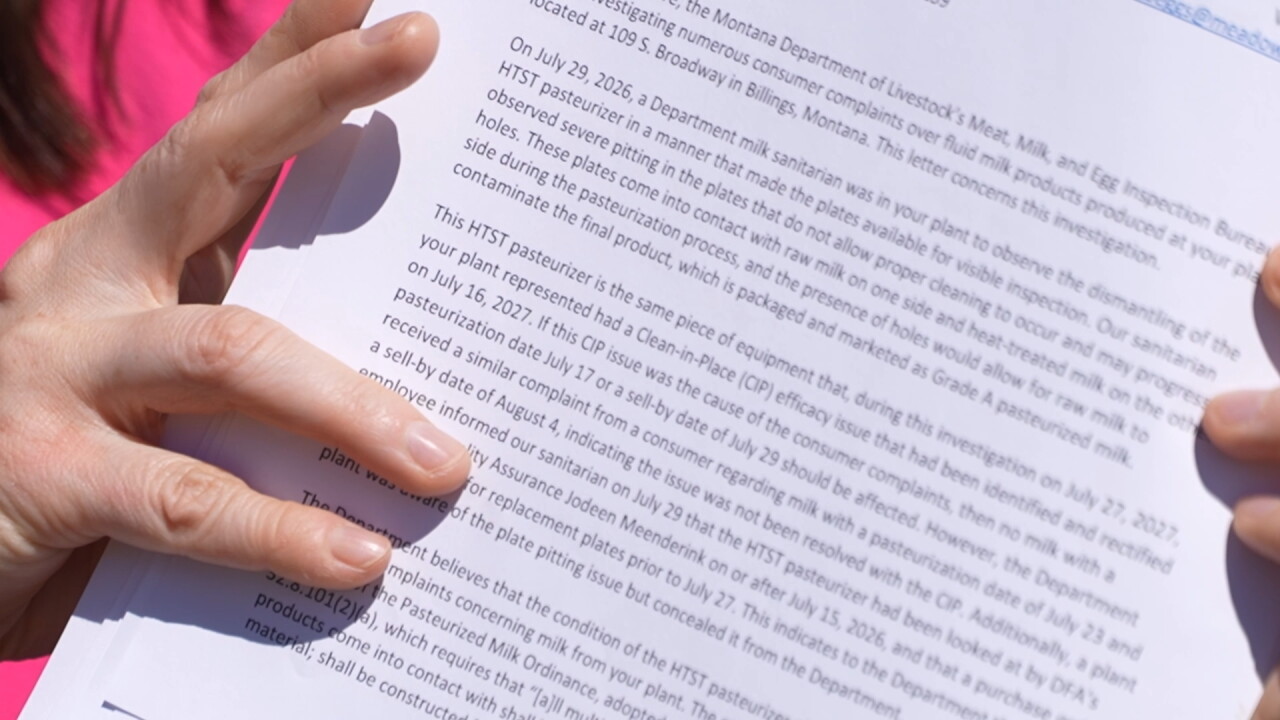
The biggest revelation in the records comes from a July 30 letter.
The Department of Livestock says a Meadow Gold employee told a state sanitarian that DFA's director of quality assurance had examined the pasteurizer on or after July 15.
The employee also said a purchase order for replacement plates had been placed before July 27.
The department says that indicated Meadow Gold knew about the plate-pitting problem before regulators discovered it and accused the plant of concealing the issue from the state.
The department said it believed the damaged plates were the likely cause of the consumer complaints and urged Meadow Gold to voluntarily shut down production and recall products pasteurized on or after July 15.
Tuck said his own dairy would have issued a recall if it faced a similar quality issue.
DFA Dairy Brands Fluid LLC operates the Billings facility under the Meadow Gold name.
MTN News has asked Dairy Farmers of America for comment on the state's findings and allegations.
UPDATE: 09-03-2026, 5:30 p.m. — The Dairy Farmers of America sent MTN News this statement:
"Dairy Farmers of America (DFA) and Meadow Gold implemented corrective actions to address consumer complaints and observations made by the Montana Department of Livestock earlier this year.
We worked collaboratively with the Department and ultimately determined that a recall was not warranted, as there was no risk to public safety. Corrective actions for all findings were shared with the Department, and our Meadow Gold facility passed the Department's reinspection on August 7, 2026.
We take these matters seriously and remain committed to producing safe, high-quality dairy products for the consumers and communities we serve."
Related:
State moves to suspend Billings Meadow Gold plant after inspection findings
Dairy trade group says Billings milk plant problem fixed, but state regulators disagree
