


CODY — Wyoming voters will decide Tuesday whether to approve a property tax exemption supporters say could significantly relieve homeowners, while opponents warn it could leave local governments and public services with fewer resources.
Listen to both sides below:
Proposition 1 would exempt 50% of the assessed value of a homeowner's primary residence from property taxation. The measure has drawn support from homeowners concerned about rising tax bills, as well as opposition from officials who say the reduction could affect funding for schools, fire departments, and other local services.
Proposition 1 is the first citizen-initiated measure to appear on Wyoming's statewide ballot in 30 years.
In Park County, nearly 3,500 people had cast ballots in person since early voting began in October, according to county election officials.
Among them was Pam Connell, a Clark resident who supports the measure. Connell recently retired and said rising property taxes have become increasingly difficult to manage on a fixed income.
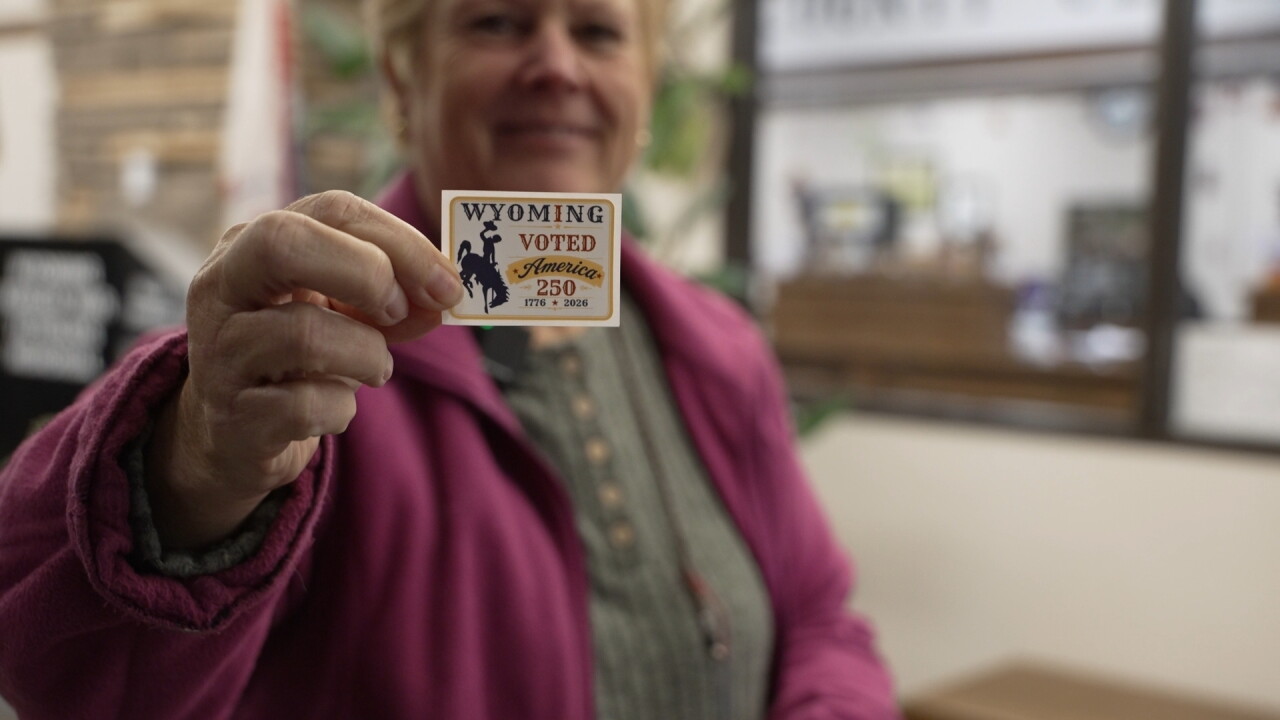
"When you are retired, which I am, so just new into the retirement phase, it makes it really hard for people who are on a fixed income to keep watching their property tax go up and up and up," Connell said.
She also said Wyoming's existing property tax relief programs do not benefit every homeowner equally. Some exemptions offer greater savings to older homeowners who have lived in their homes for decades, she said, leaving newer residents and people who moved to Wyoming with fewer options.
"There’s a lot of us that are transplants that we're not from here, but we've owned homes in other states, paid taxes our whole entire life on our homes," Connell said. "But we don't get those deductions."
Not everyone believes another cut is the answer.
Cody homeowner Clayton Webster understands the appeal of additional property tax relief but said he wants to see how existing measures affect homeowners and local budgets before the state makes another significant change.
Wyoming lawmakers approved a 25% homeowner property tax exemption in 2024, providing additional relief to qualifying residents.
"I don't think we've given the current policies in place enough time to really see if we need that additional percentage off," Webster said. “I can see it both ways, but it's kind of the burden you assume as a homeowner.”
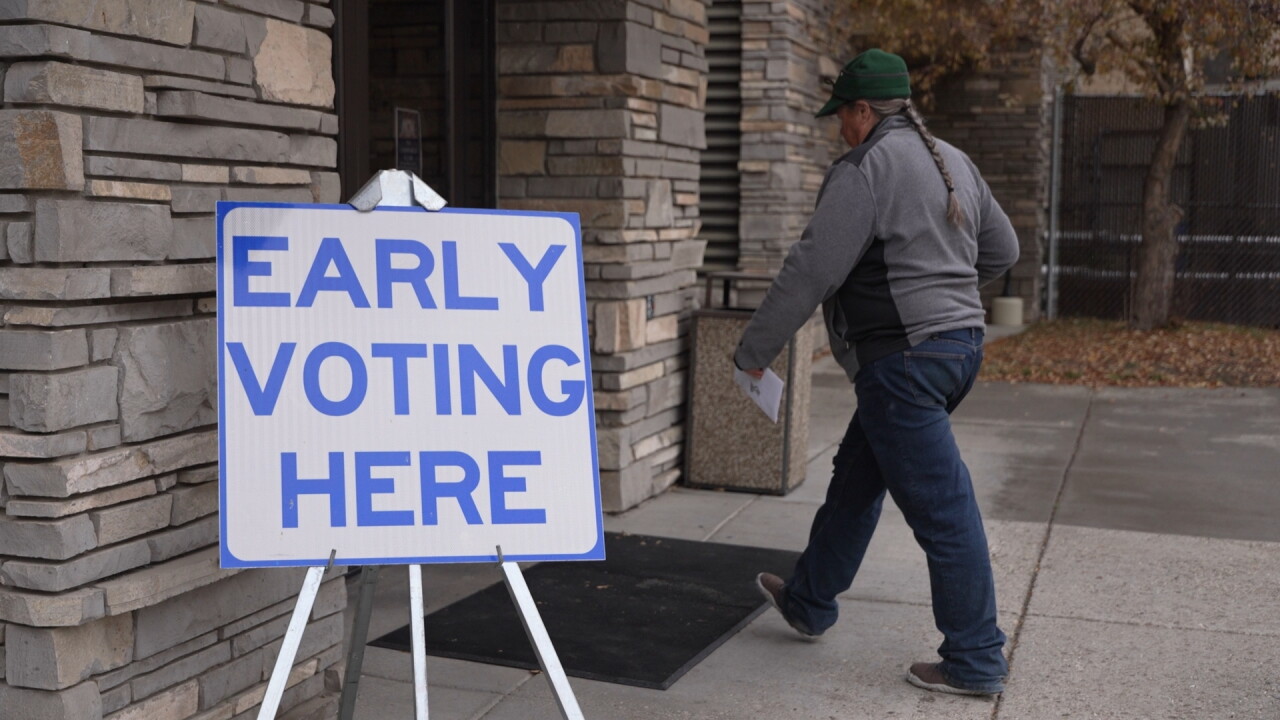
He said he has benefited from previous tax relief but remains concerned about the potential consequences for communities that rely on property tax revenue to provide essential services.
Property taxes help fund a range of local and statewide services, including K-12 schools, county governments, and community colleges. Those revenues come from multiple property types, including residential homes, agricultural land, commercial and industrial properties, and mineral operations.
Supporters of Proposition 1, including the Wyoming Republican Party, argue homeowners deserve additional relief. BCR Voter Initiatives, which led the proposal, has also argued that residential property taxes represent only one portion of the overall tax base, meaning the reduction would not eliminate half of the funding for public services.
However, local officials say even a smaller reduction could create financial challenges for departments already operating with limited resources.
In Park County, the potential financial impact is a concern for the fire department.
Matthew Chowning, a Park County Fire Department Fire District 2 board member, said the exemption could reduce the department's annual revenue by an estimated $200,000. The estimate comes from the local assessor, though Chowning said the exact impact is difficult to calculate because of how property tax revenue is distributed through the mill levy system.
"The departments that I deal with are operating on a shoestring budget," Chowning said. "They're pretty thin."
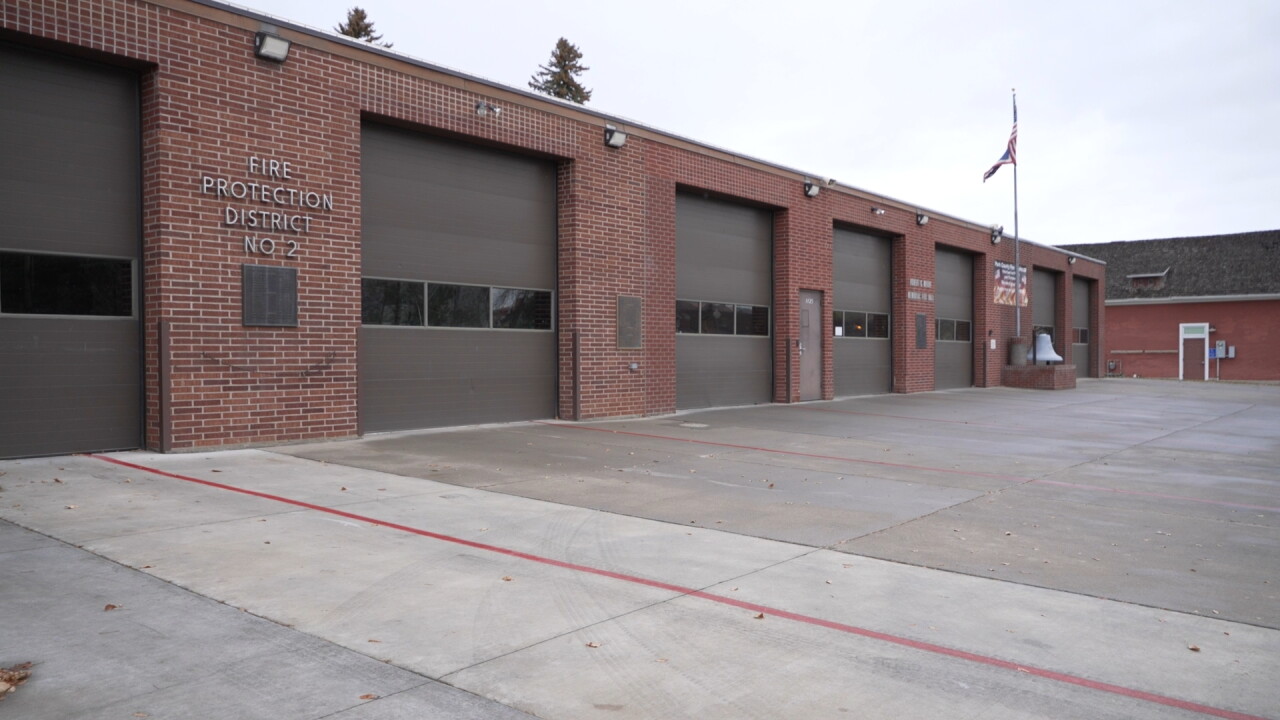
He said the department has reserves available to help cover budget shortfalls, but those funds are already projected to run out by 2034 based on anticipated spending for vehicles and other equipment.
"Taking another $200,000 out of that every year is only gonna make it run out faster," Chowning said. "And then we will have difficult decisions to make."
The department operates primarily with volunteers and has only four paid positions. Chowning said most of its remaining expenses go toward equipment, including fire engines, air compressors, and other essential gear. That leaves fewer options for reducing expenses without affecting operations.
Chowning said the department could eventually have to reduce the equipment it carries or the number of engines in its fleet. Those decisions could affect how quickly firefighters respond to emergencies and how long it takes to extinguish fires.
"You're potentially going to reduce your fleet size, the number of engines that you have in your department," he said.
He also pointed to the 2024 property tax relief as an existing financial pressure, saying the department has already had to account for reduced revenue.
"I don't even know that the dust has settled from that, and we're already talking about an even bigger tax reduction," Chowning said. “The citizens of Wyoming will have to make their choice, and if they choose to do this, then the departments will have to look over their budgets and decide how they're going to make their income work with the expenses that they have."
The measure has drawn support from the Wyoming Republican Party, but Gov. Mark Gordon, a Republican, opposes it.
"The reduction by 50% would have an immediate and devastating effect on the services most Wyoming citizens rely upon in their communities," Gordon wrote in an op-ed published by Oil City News last month.
Gordon said Wyoming families deserve affordable taxes and responsible government spending, but also need access to emergency responders, safe roads, and other public services.
The Wyoming Taxpayers Association also opposes the measure.
For voters like Webster, the uncertainty surrounding those potential impacts is a major concern, particularly in rural communities where emergency services cover large geographic areas.
"I'm a firm believer that local governments need the services that they provide, especially in kind of some rural parts of the state," Webster said. “They provide services to such a large area where that could mean the difference between, you know, your home being saved or not.”
Connell, meanwhile, believes fire departments will find other ways to make up for lost revenue.
“We actually raise a lot of funds for our fire departments. I know they have a hard time and I know that is a rough job, but the money's going to be there," she said. "There's other ways to tax people."
Wyoming voters will consider Proposition 1 on Tuesday, Nov. 3.
