


From air travel and banking to email and other digital services, a string of high-profile technology problems over the past week has disrupted systems millions of Americans depend on every day.
Watch how these problems have unfolded in Billings:
The timing of those incidents may make them seem connected and raise an unsettling question: Is something bigger going on?
But Brock Lameres, a professor of electrical and computer engineering at Montana State University, said there is currently no evidence indicating the problems are part of a coordinated cyberattack.
“There's no evidence at this moment that it is a cyber attack,” Lameres said. “So it could be a series of coincidences that just all are happening at once.” Over the past week, disruptions have affected air travel, banking services and major technology platforms including Microsoft and Workday.
But even if the problems are unrelated, Lameres said they illustrate something modern society has in common: an enormous reliance on computer technology.
“We didn't use computer chips every second of the day, but now we do,” Lameres said. “So it really impacts our lives.” That dependence also means a problem in one place can have consequences hundreds or thousands of miles away.
At Billings Logan International Airport, Director of Aviation and Transit Jeff Roach said nationwide aviation problems don't necessarily affect Billings immediately.
“Typically we don't see the impact here for a few hours,” Roach said.
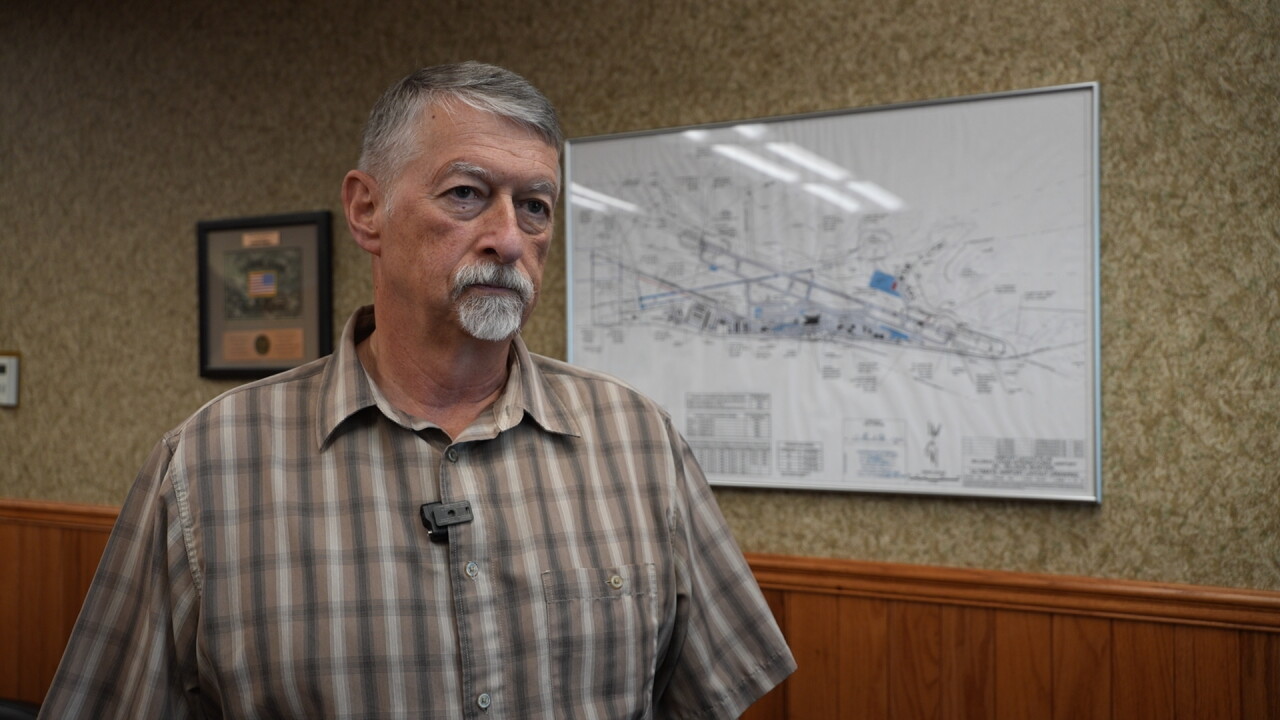
But that delay illustrates the interconnected nature of modern air travel. A problem does not necessarily have to originate at the Billings airport for passengers there to eventually experience its effects.
Lameres said the same principle applies broadly to technology.
“When one fails, it has kind of a trickle-down effect and it influences a whole bunch of other computer chips,” Lameres said. “So the problem is that we didn't used to care that much because we didn't use computer chips every second of the day, but now we do.” At an airport, a technology failure can mean delays and disrupted travel.
In a hospital, the consequences can be more serious.
Today's hospitals depend on technology throughout nearly every stage of patient care.
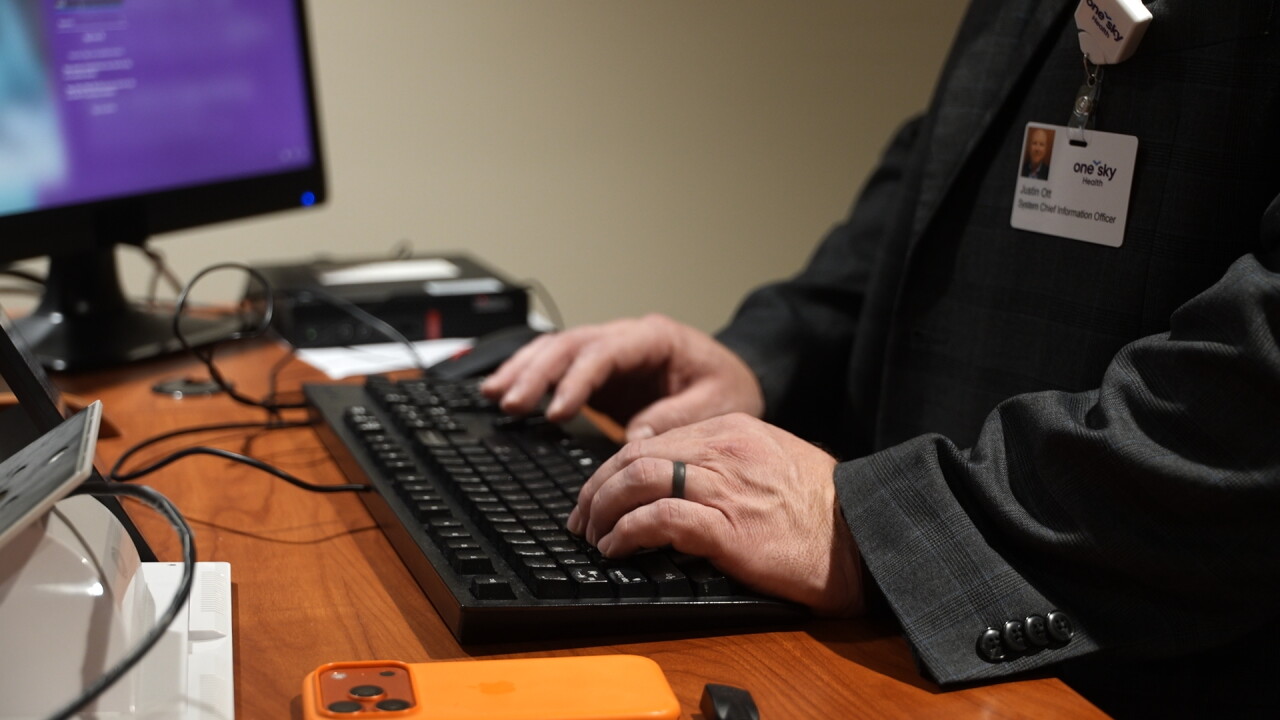
For One Sky Health, formerly Billings Clinic, Chief Information Officer Justin Ott said preparing for technology failures means accepting that eventually, something will go down.
“If a technology goes down, because I'll tell you, it will go down,” Ott said. “It's not if it's going to go down. It's when it's going to go down," he said.
One Sky Health did not experience the recent outages, according to Ott, but the health system prepares for the possibility of losing access to technology.
And when that happens, Ott said the priority isn't simply getting the computers running again.
It's keeping patients cared for.
“We don't look at it as a technology issue,” Ott said. “We look at it as a patient care issue, how we're going to still care for our patients when we lose technology.”
For Lameres, the lesson from the recent problems isn't necessarily that people should use less technology.
Instead, he said systems need to be designed to withstand inevitable failures.
“We are very reliant on it,” Lameres said. “And the thing that might be concerning is that there's no going back. It's not like we're going to just throw all of our computer chips away.” That makes resilience, backup systems and cybersecurity increasingly important as more aspects of everyday life become dependent on technology.
“We not only need to make them fail-safe and have backups, we need to actually put cybersecurity designed into all of our systems that we have today,” Lameres said. Whether the next widespread technology problem begins with a cyberattack, a software bug or a hardware failure, the impacts aren't necessarily limited to where the problem starts.
As recent disruptions demonstrate, those systems don't have to fail in Billings for people in Billings to feel it.
