


TERRY — Three Terry High School students are getting a hands-on lesson in local history, weaving a replica of a historic trade blanket on a loom dating to the 1850s.
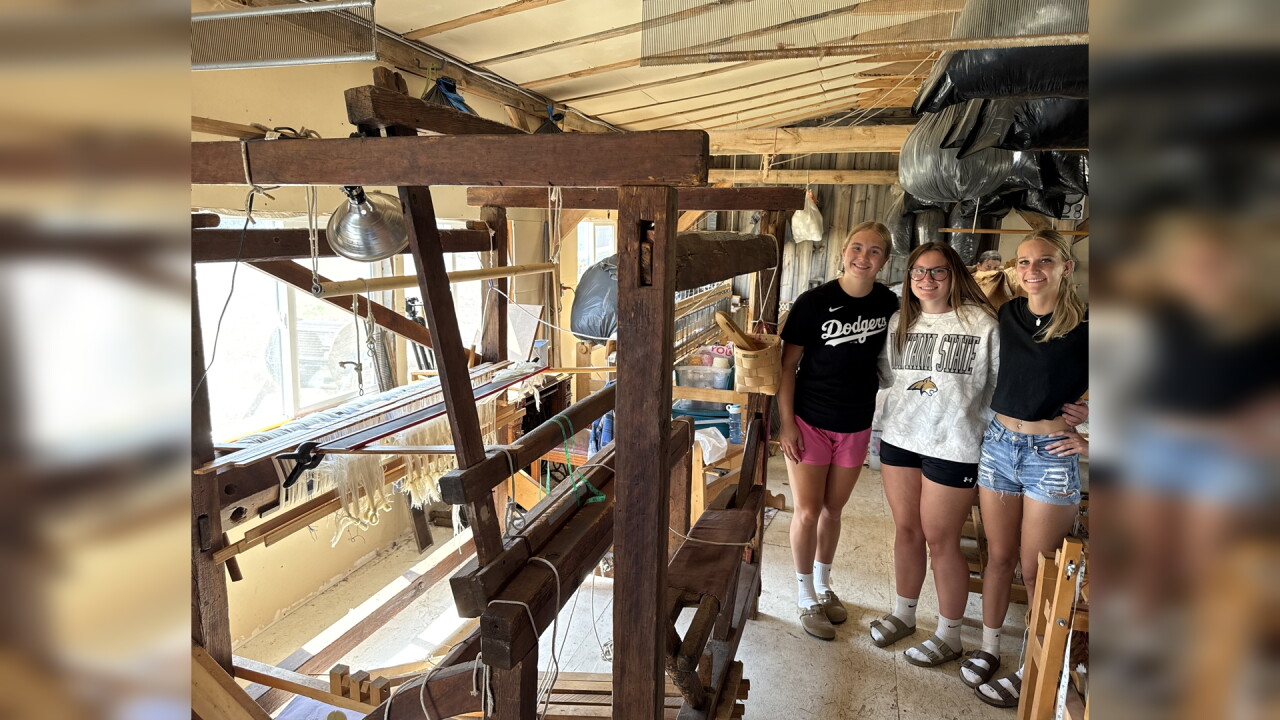
Ashley Eaton, Phoenix Phipps, and Lexi Gaub are the only students in the school’s new public history class, led by social studies teacher Chris Dantic.
Watch the full story below:
The class focuses on Terry’s history, giving the students a chance to learn about their community by actively participating in it.
“I've learned more history than I never ever thought was in Terry,” Phipps said.
When the students first heard about the new class, they weren’t sure what to expect. Eaton said she initially wondered what a public history class would look like in a small town where, in her words, “there's not a lot of stuff that happens.”
That changed when Dantic showed them what they would be doing throughout the year.
“It's a brand new class," said Dantic. “I wanted to focus on local history and, of course, interviewing people, digging into the history of the community."
The class is now digitizing Terry’s historic walking tour to make it more accessible. Dantic said the students will also work on a project involving the local cemetery and participate in National History Day.
But the class started with a project that required the students to learn a skill none of them had experienced before: weaving.
"Being able to have it hands-on is so easy to remember and learn from it, and it's not something we get to do very often," said Eaton. "I don't know anyone else who has a history class like this.”
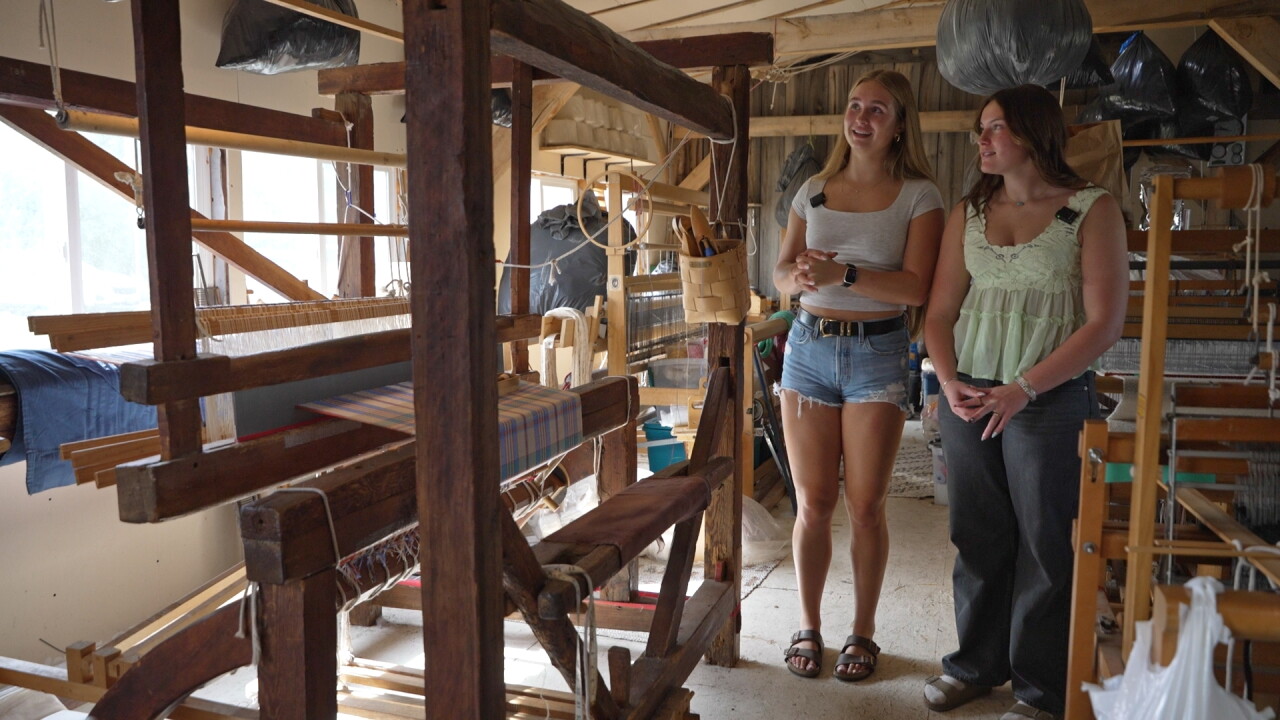
For three weeks, the students worked at Wood-N-Woven, a local weaving business, to make a replica of a historic fur trade blanket. The loom they used dates to around the 1850s, making it older than the Civil War.
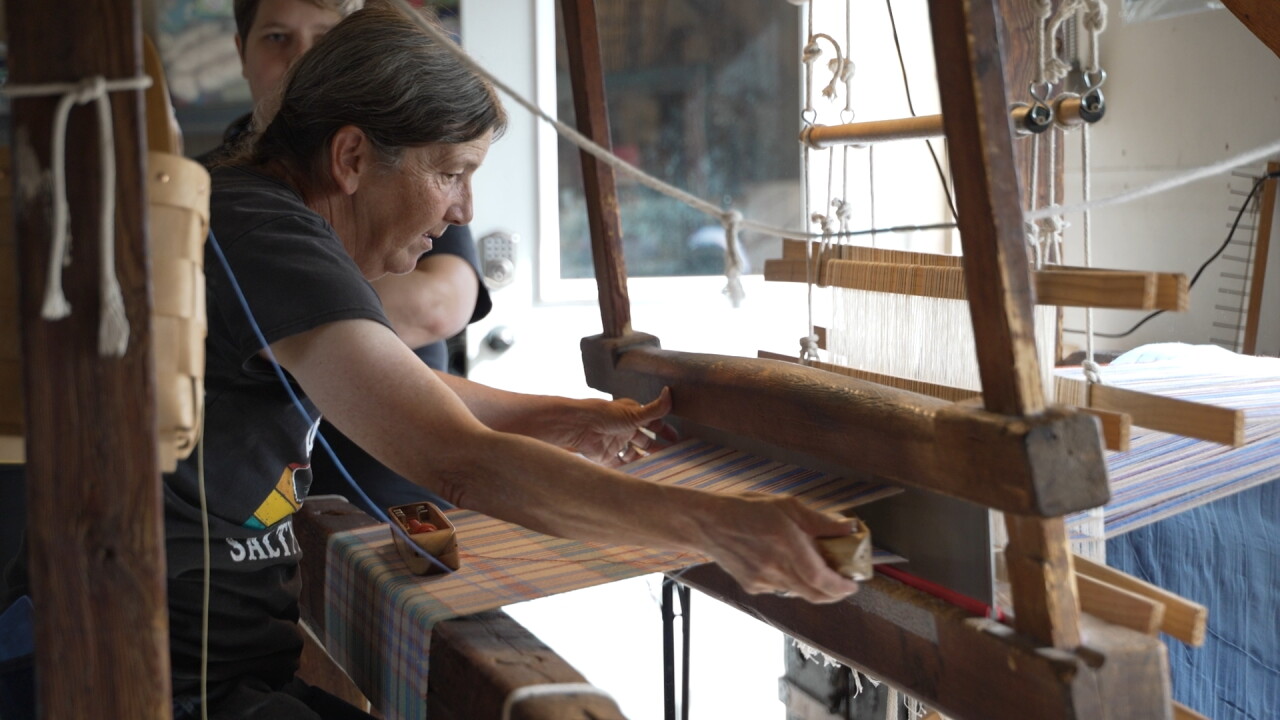
Wood-N-Woven owner Laina Therrien, who has been weaving for more than 25 years, guided the students through the process.
"These four girls got thrown into the deep end of it because here is a 45-inch wide piece of wool that they had to go all the way across," she said. "And of course, this is a 150-year-old loom that has its quirks."
The project required the students to learn each step, from preparing and threading the loom to weaving the blanket itself. The students made mistakes along the way, but Therrien said that was part of the lesson.
“They took turns, and they were enthusiastic. That was good," said Therrien. "Once they figured out how to do the weaving, oh, it was gung-ho.”
For the students, even learning what a loom was was new.
“I was a little scared because I didn't know what a loom was,” said Phipps.
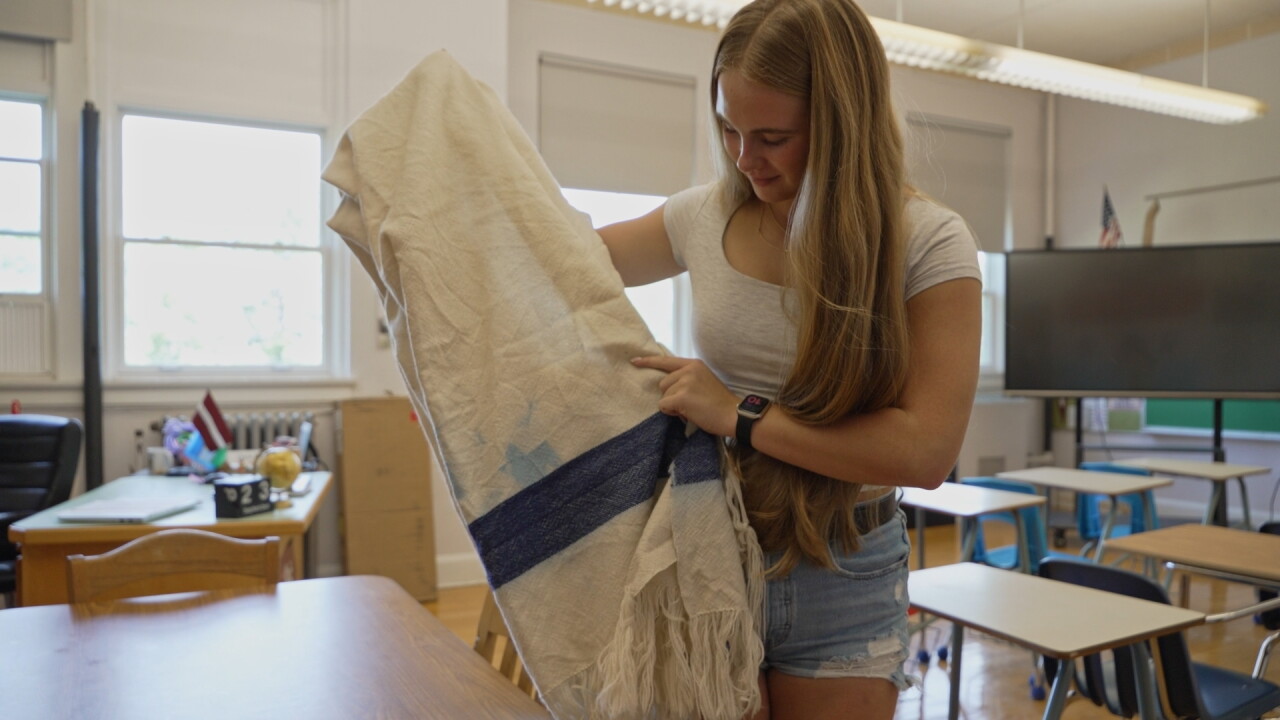
The blanket the students made is modeled after historic trade blankets. Therrien said wool blankets were traded among different groups during the fur trade era, including fur trappers and Native Americans. Some were known as point blankets, with markings along the edge indicating the amount of wool in the blanket.
That history gave the students a chance to connect a physical object with the broader story of trade and life in the region. The project also helped them better appreciate how much work went into producing everyday items in the past.
“It was very accomplishing,” Eaton said. “Especially for it being something that we'd never known before."
"Maybe it's something I'd want to do in the future,” added Phipps.
The students’ work won’t end when the blanket leaves the loom. The finished blanket will soon be installed at the Prairie County Museum in Terry, where it will become part of an exhibit documenting the project and its historical significance.
The project received $2,850 in funding from the Montana History Foundation through a grant administered by the Carter County Museum. The funding supports the collaboration between the school and museum while keeping the project and final exhibit in Terry.
For the students, seeing their work become part of the museum adds another layer to the experience.
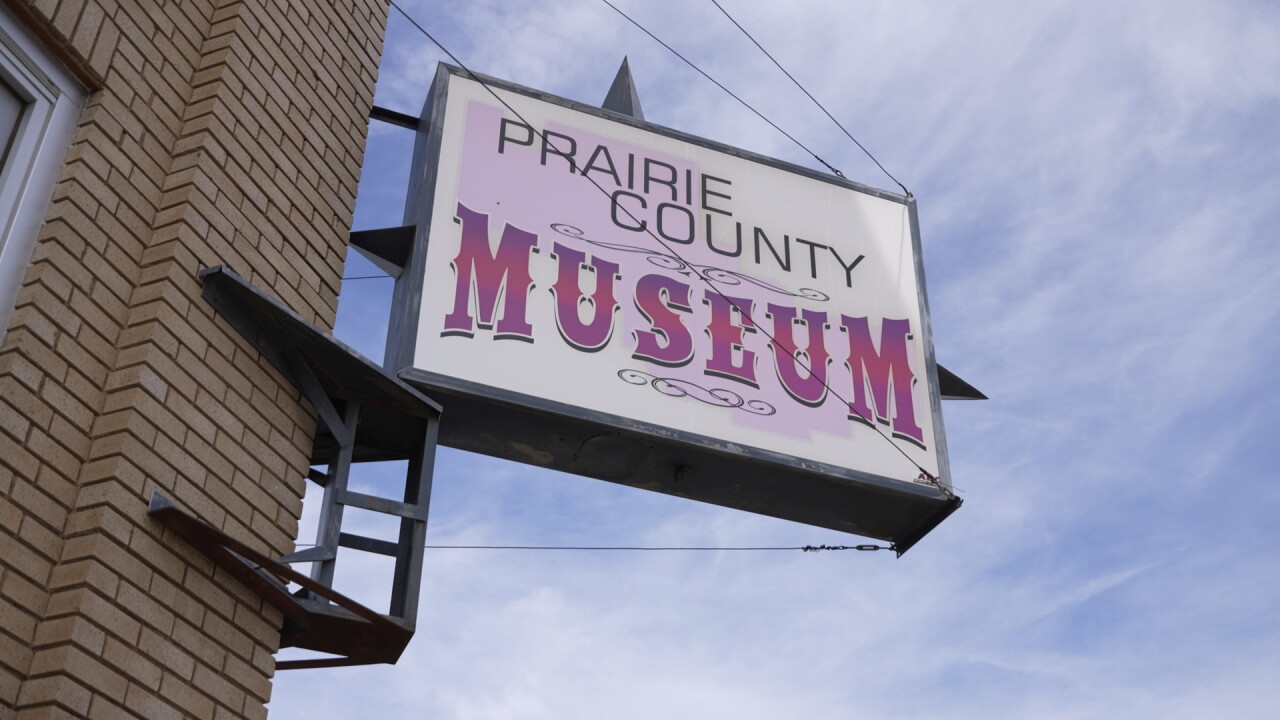
“I think it's kind of cool to show in the museum what we did and how we learned how to do it,” Phipps said.
"Also, it's high schoolers that are doing it, and not like someone out of school or of an older age putting something in our museum, that it's people this young,” added Eaton.
The project gives the students a chance to see their own work become part of the community they are studying.
For Therrien, teaching the students was about more than showing them how to operate an old loom. Passing the skill to younger generations can help ensure the art form continues.
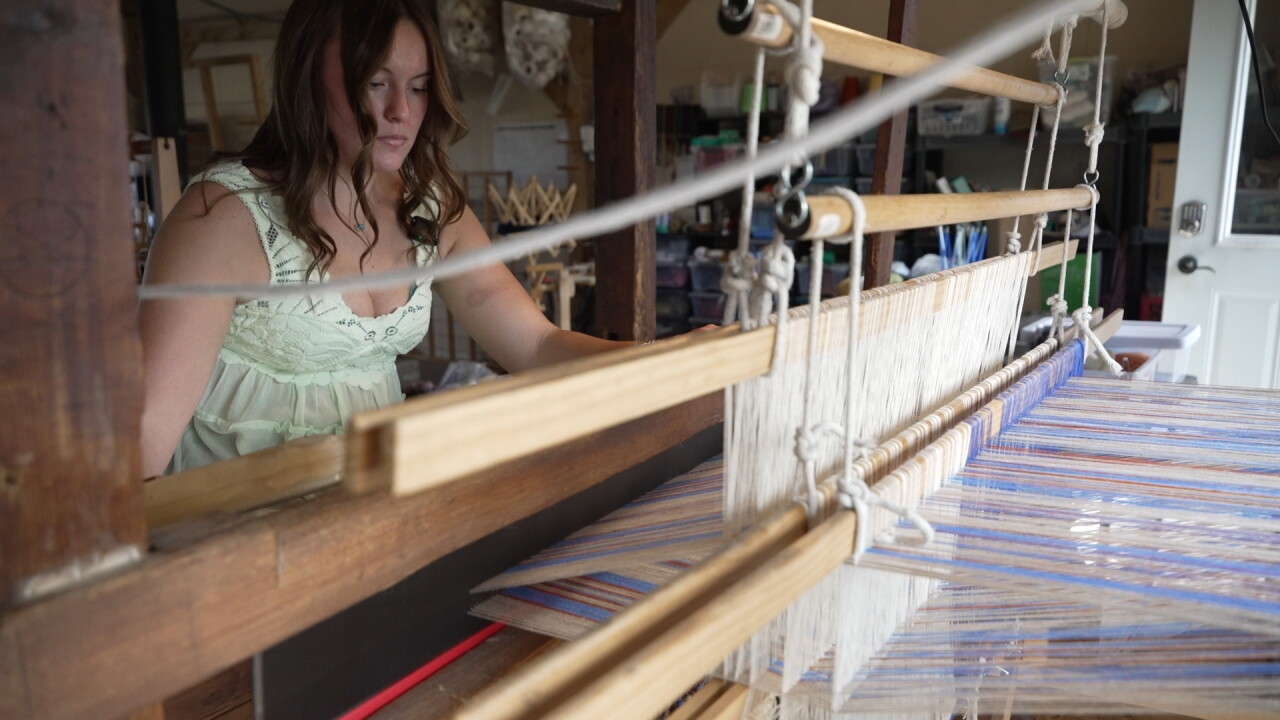
“This is not necessarily a 'lost art,' but there are a lot fewer people doing it than ever before," said Therrien. “To keep it going, you've got to have the younger— I'm dating myself— but the younger generations that will learn how to handle the whole thing.”
The students also learned something beyond the mechanics of weaving, such as how much time, patience, and work went into making things before modern manufacturing made them readily available. It also gave them a way to experience the past rather than simply hear about it.
“Communities, especially a community like Terry, it's a fantastic community, very tight, and then everybody looks out for each other ... you want to know your history of your town, where you came from, you want to know where that foundation was built on,” said Dantic. “They've gotten so much out of the project, and I've been super proud of them."
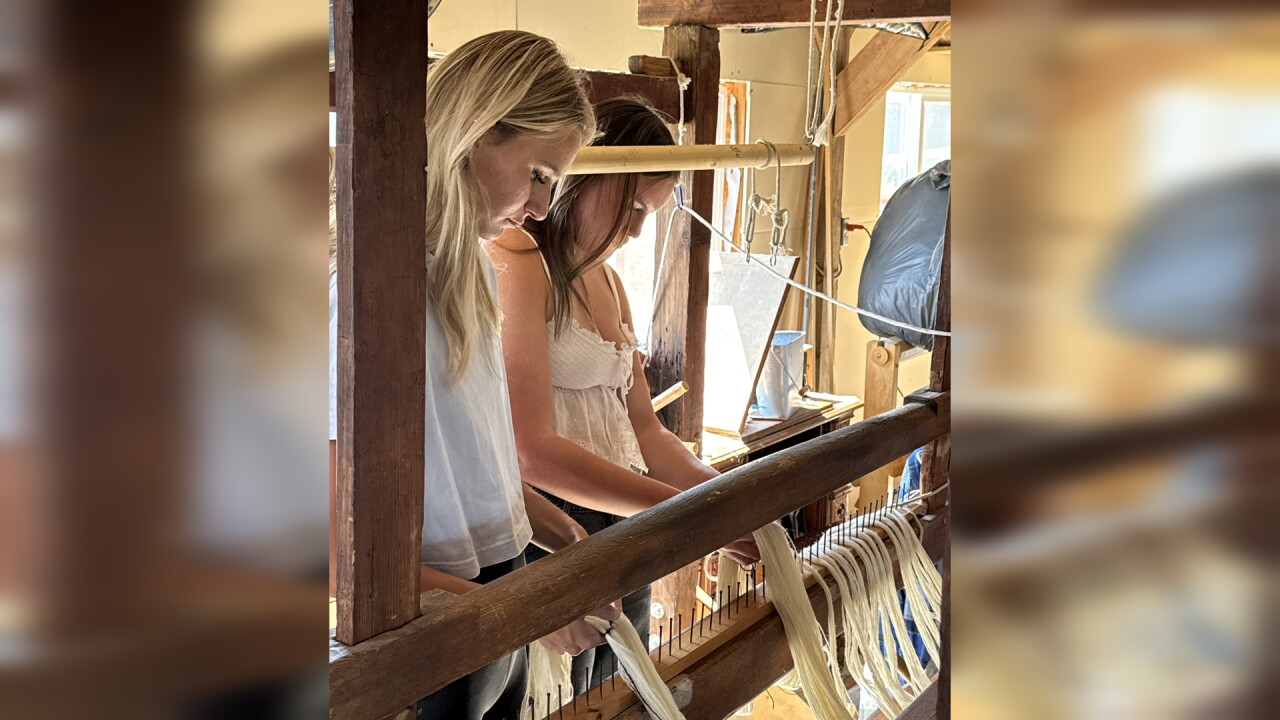
The blanket will soon be a piece of Terry's past, but the students who made it are already becoming part of its future.
"This is an awesome experience to have under our belt,” said Eaton.
"It was really cool to learn," Phipps added.
