


BILLINGS– Scientists and activists are encouraging Montanans to push for more controls over per- and polyfluoroalkyl substances (PFAS), known as “forever chemicals”.
Leaders in the PFAS conversation spoke in a public online meeting Thursday, hosted by the Montana Environmental Information Center (MEIC).
Watch the report:
Kimberly Garrett, assistant professor and environmental health researcher at the City University of New York, spoke about the harmful effects of the synthetic chemicals, which are found in many products such as cooking pans and dental floss.
Related: Yellowstone River Research Center collecting data from turtles for 'forever chemical' study
“Those chemical properties that make them so useful for these industrial applications also make them fairly persistent and hazardous in the environment,” said Garrett. “Wildlife can end up with huge concentrations of PFAS.”
The Montana DEQ proposed a nearly $18 million project in January to construct four new wells for the City of Kalispell water system after detecting PFAS in Kalispell wells.
PFAS have also been found in fish in multiple Montana bodies of water, including the Yellowstone River, according to a Montana DEQ report.
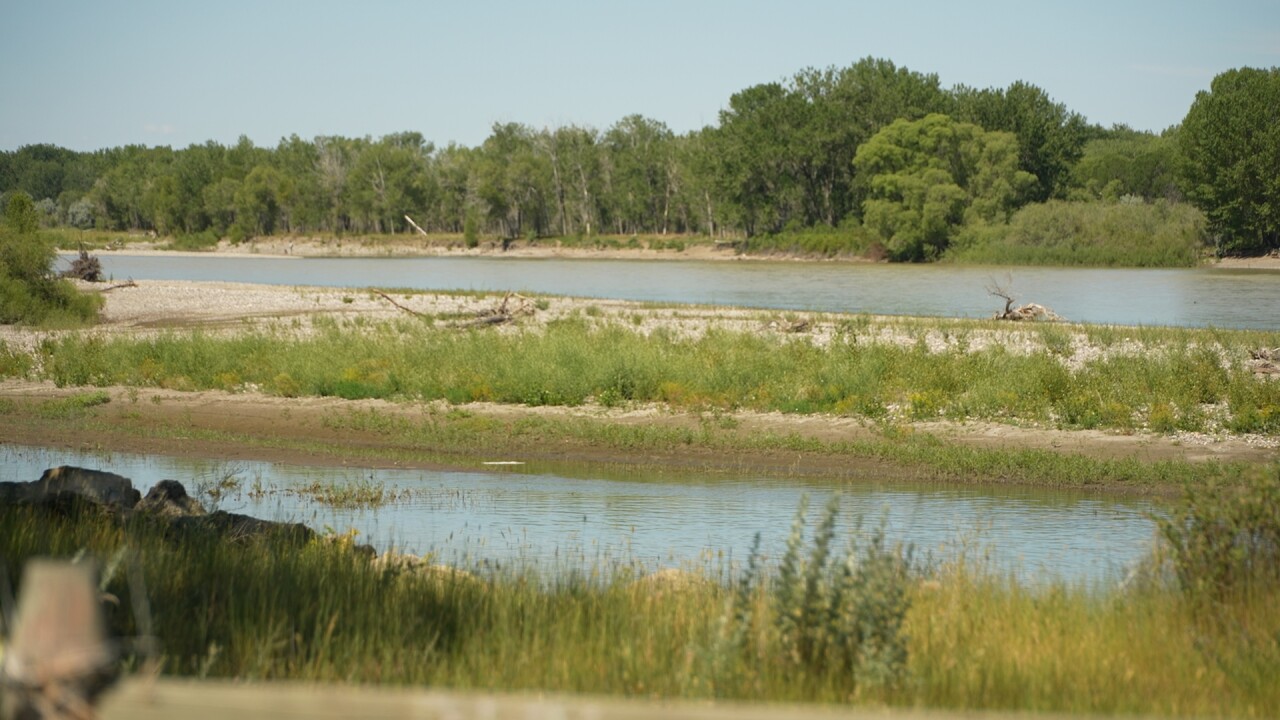
The report was released in April, but the research was conducted in 2023 with Montana Fish, Wildlife and Parks and the Montana Department of Health and Human Services (DPHHS).
Other research published with the National Cancer Institute shows PFAS exposure is linked to cancer.
“Hyper and hypo thyroid cancer has been linked to PFAS,” said Jamie DeWitt, professor of environmental and molecular toxicology at Oregon State University. “This is just really the tip of the iceberg for many states.”
Avonna Starck, Minnesota State Director of Clean Water Action Minnesota, joined the meeting and recommended Montana follow Minnesota’s example of introducing “Amara’s Law”. The law is named after Amara Strande, who lived near a PFAS-contaminated area of Minnesota and developed terminal liver cancer.
The law imposes phased bans on products containing intentionally-added PFAS and requires supply chains to report to the Minnesota Pollution Control Agency (MPCA)
“We had a lot of lobbyists coming into Minnesota and threatening that we were going to have empty shelves, there weren’t going to be products to buy,” said Starck. “We have not had that problem. If anything, we have had the exact opposite.”
Ben Catton, with the MEIC, encouraged listeners to get the attention of their Montana legislators and advocate for more control over PFAS.
“The upcoming 2027 legislative session—it’s going to be very important that people raise their voices with their decision makers and let them know they want action on this issue,” said Catton.
Catton also encouraged people to speak up at the Montana Legislature Environmental Quality Council meeting on July 14.
