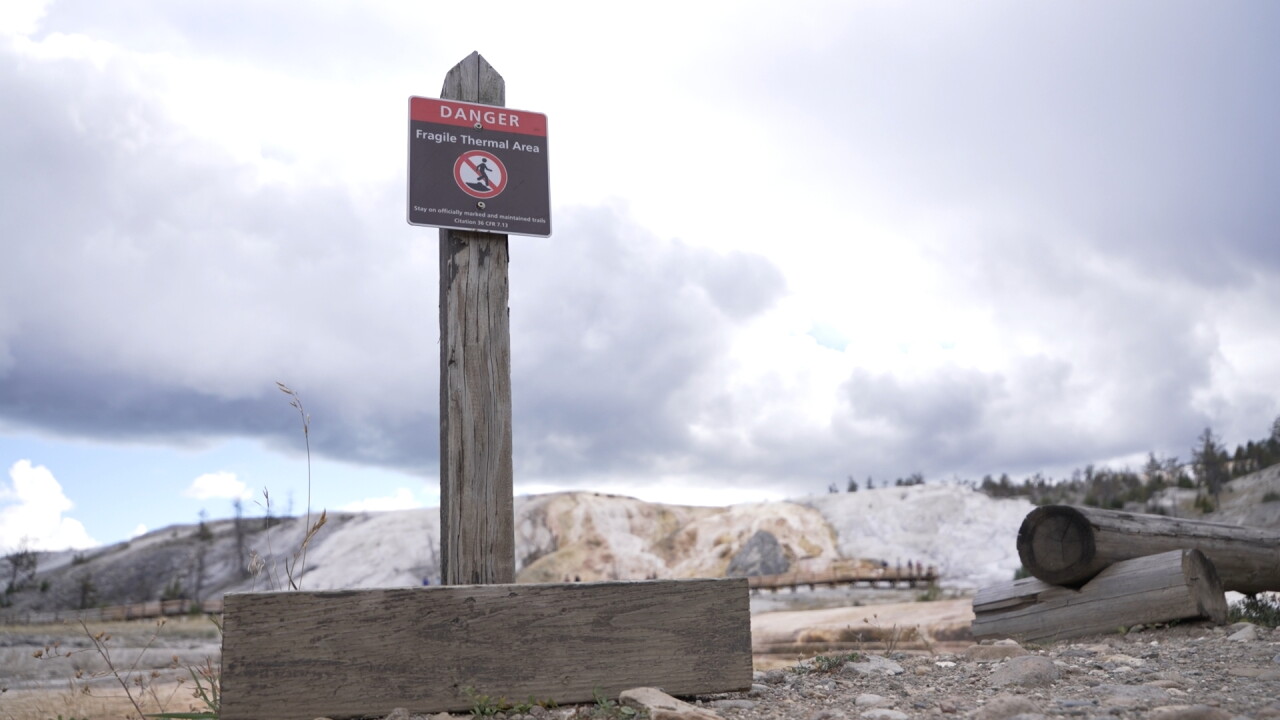
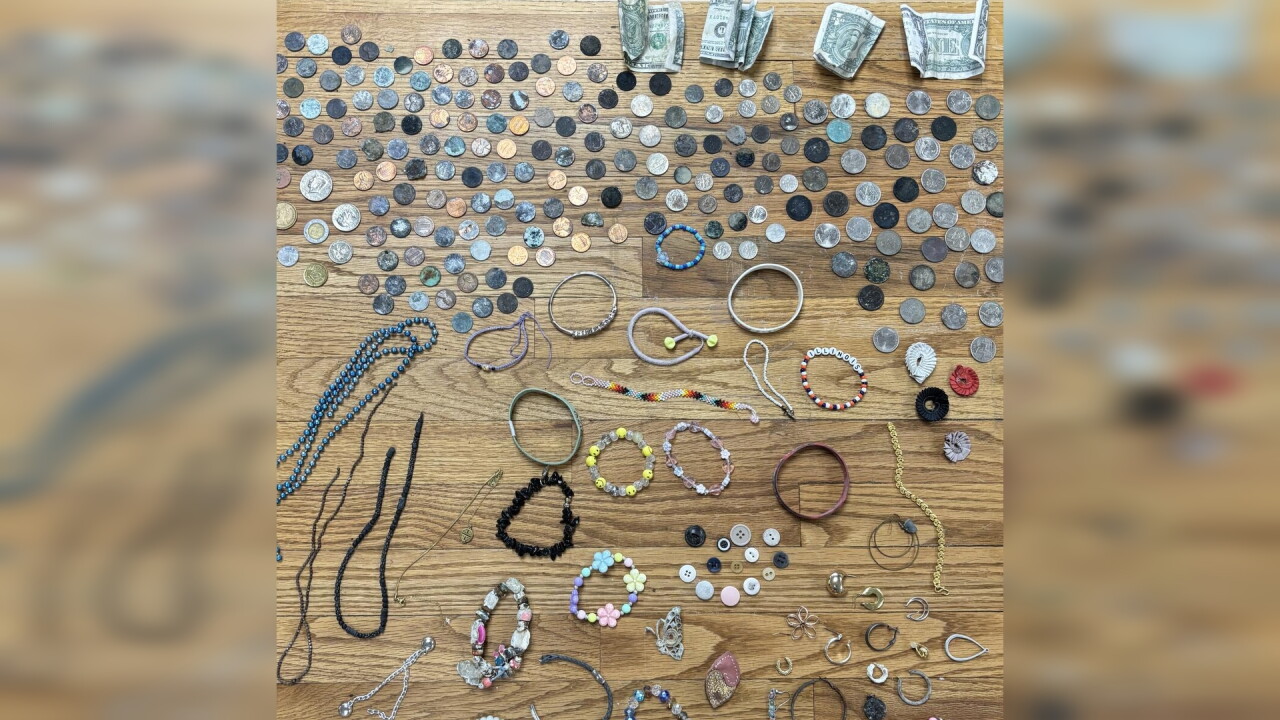
YELLOWSTONE NATIONAL PARK — Yellowstone National Park crews have removed more than 20,000 pieces of trash and lost items from the park’s fragile thermal areas this year, including hundreds of hats and coins, as well as AirPods, golf tees, and six Invisalign retainers.
Watch the full story below:
For visitors like Mary White, Yellowstone is a place to introduce her children to something they cannot find anywhere else. White traveled from Dutton, Montana, with her eight children for their first visit to the park.
“Yellowstone has just become part of America's mythology,” White said. “You want to introduce your family to it and have them feel it, experience it, smell it.”
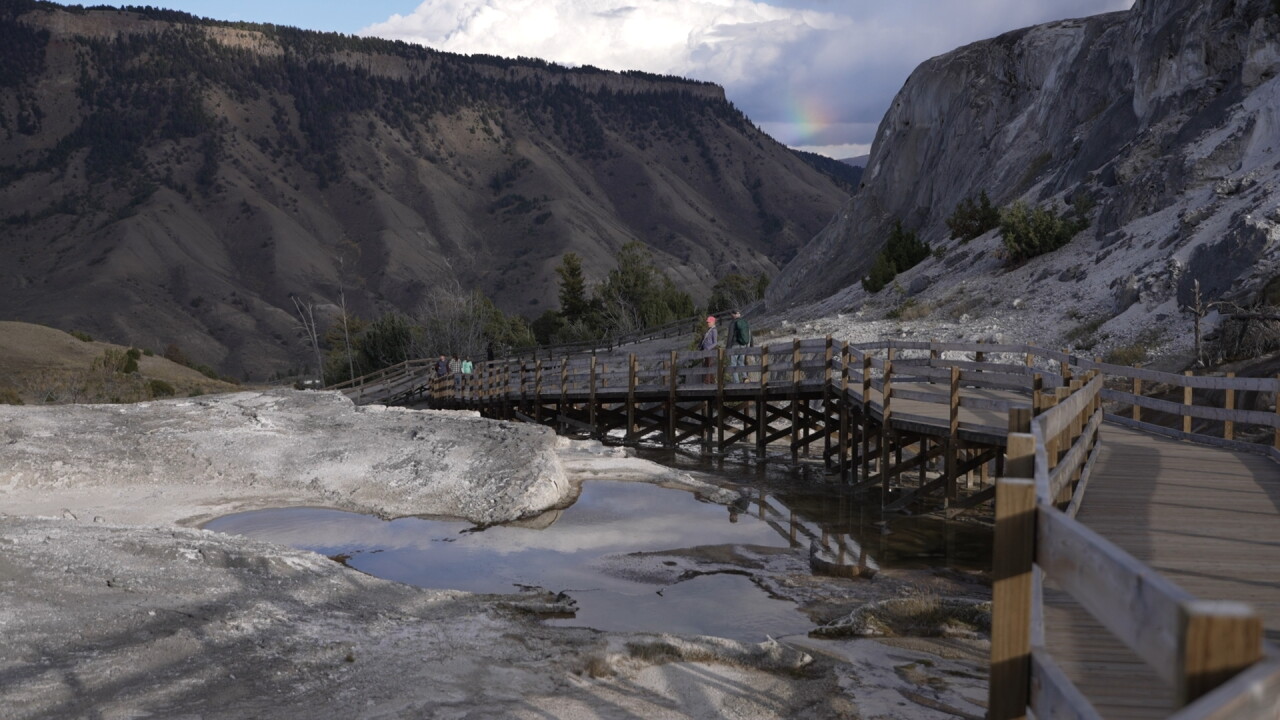
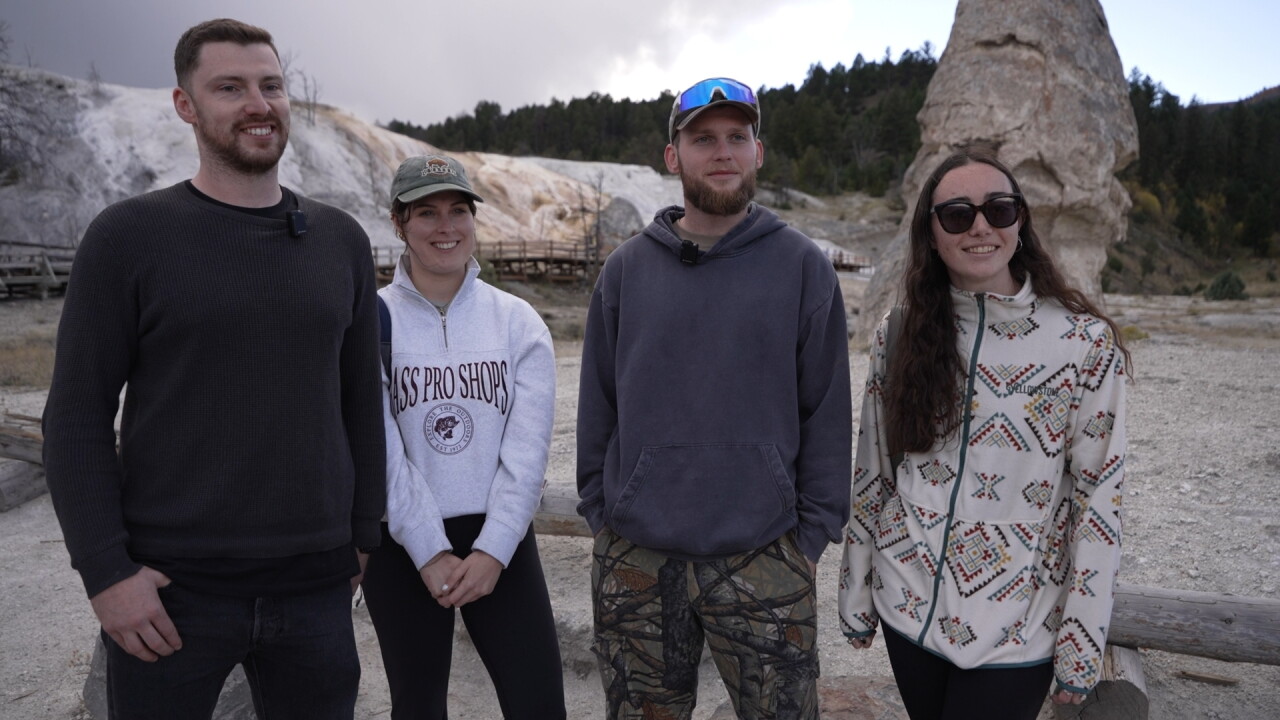
For Henry Hewetson-Greening, Beth Freer, Mark Dresser, and Jenna Elsby, the park was a stop during a two-week trip through the United States from the United Kingdom.
“We just don't have these types of mountains, the wildlife,” Hewetson-Greening said. “We don't have any of that at home, and it's beautiful.”
“There’s not many places in the world where you can see wolves, bears, elk, everything all in one relatively small place,” Dresser said.
But visitors don't always leave with only photographs and memories. White had been in the park for about 20 minutes when she spotted a pink bow on the ground and picked it up.
“It's nice; it's not really trash, but it's trash when you leave it behind,” she said.
The bow is just one small example of a much larger cleanup effort underway across Yellowstone's hydrothermal areas.
As of early September, Yellowstone's Geology team had removed more than 20,100 pieces of trash, along with 5,600 rocks and sticks, and more than 280 hats from hydrothermal areas around the park.
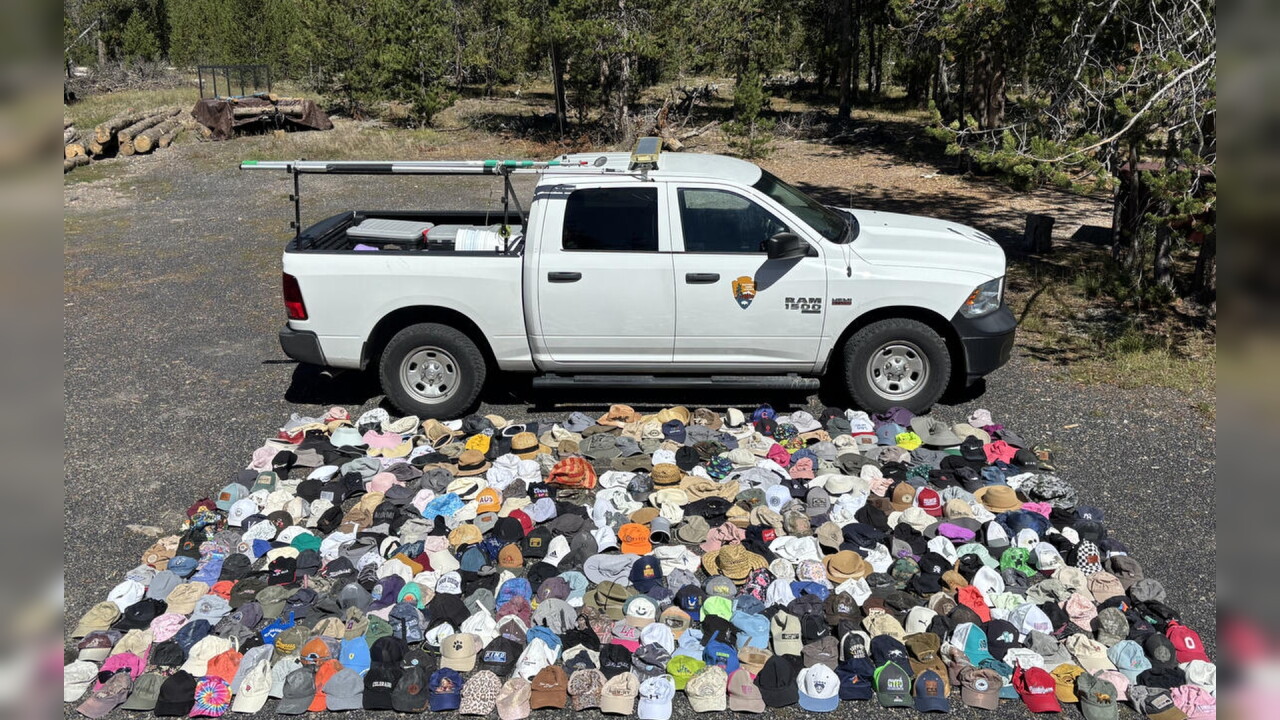
The total already represents a record-setting year. The collection includes some of the everyday items visitors might expect: plastic and paper trash, sunglasses, camera lens caps, hair ties, pencils, and hotel key cards.
Then there are the stranger discoveries. Park geologists also found coins from multiple countries, Pokémon cards, children's toys, five AirPods, three golf tees, and six Invisalign retainers.
“It is sort of interesting, some of the items that were found, and you wonder, like, how on earth did this get lost?” said Michael Poland, the scientist in charge of the Yellowstone Volcano Observatory. “What I like to think is maybe people going into a geyser basin and their jaw drops, right, and then their retainer falls out."
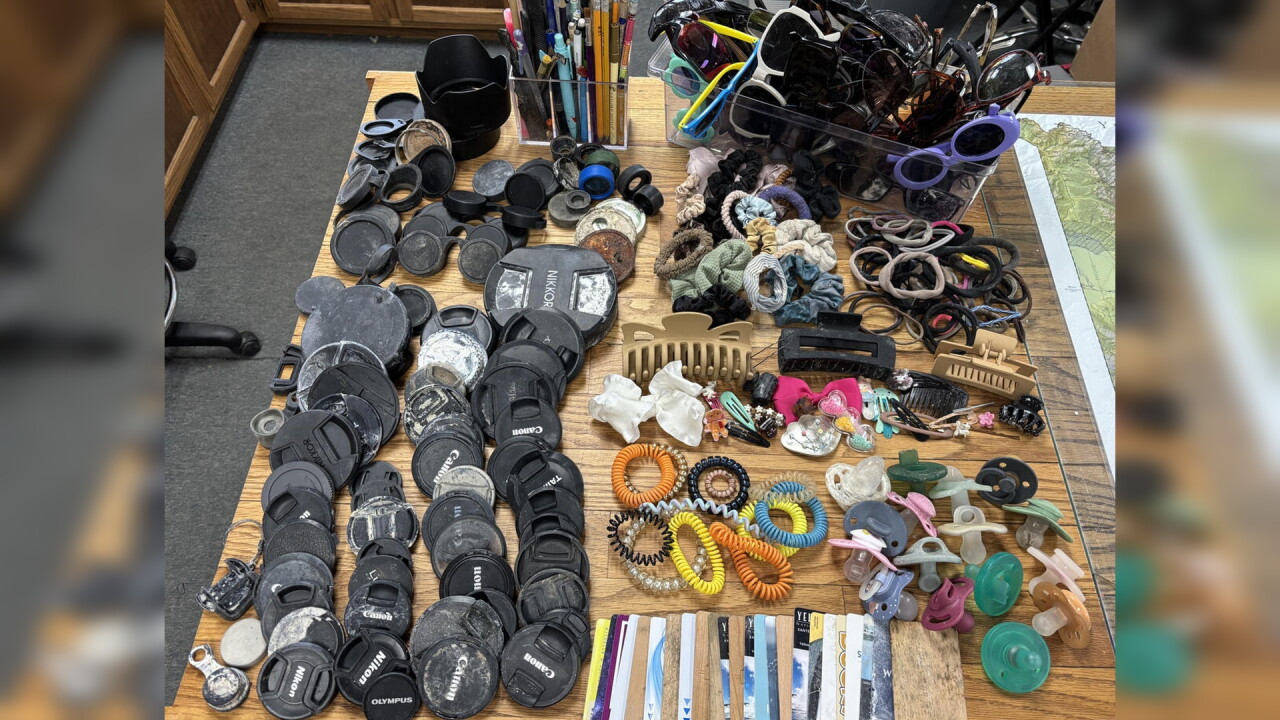
Poland said most of the debris is not intentionally discarded. Wind can carry tissues, wrappers, and hats into thermal areas, while visitors can accidentally drop personal items from boardwalks.
"Most of this is really inadvertent," he said. “The tissues that blow away, hats that blow away, candy wrappers, it's an accident, and it's happened to all of us.”
An accidental piece of debris can still create a problem in Yellowstone's hydrothermal system. Yellowstone's hot springs and geysers depend on intricate underground systems of water, heat, and minerals. Foreign objects can clog vents or alter water flow. Rocks, sticks, and coins can change the temperature of a thermal feature, which can in turn change its biology.
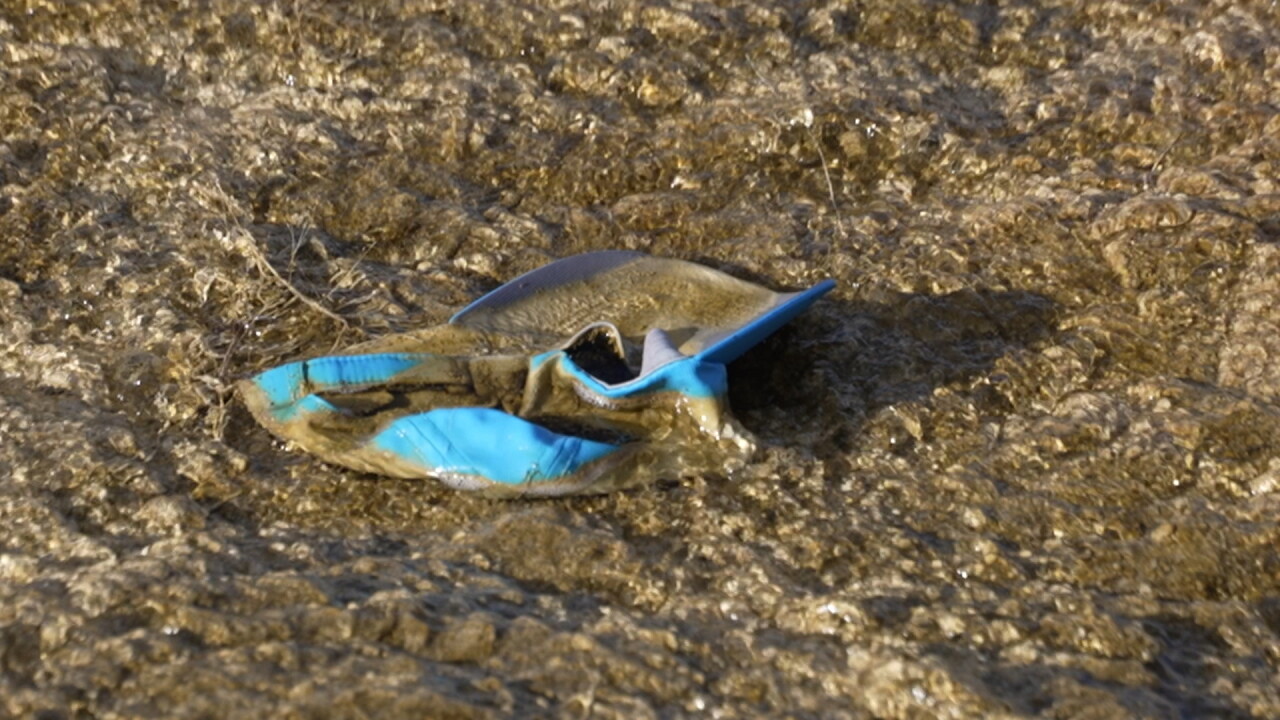
“There'll be different bacteria that will grow. It'll change the color,” Poland said.
That has happened before. Morning Glory Pool, near Old Faithful, became an example of how visitors can alter a thermal feature. Over decades, people tossed coins and other objects into the pool. Poland said the debris eventually clogged the feature's inlet and vent in the twentieth century.
“The pool cooled down, and that blue color sort of went away,” he said. “How many of us throw rocks in a lake or a river or something like that? That was almost a rite of passage growing up, especially out in the wild. But here, that really can have a bad effect on some of the hot springs and geysers that really make this park famous.”
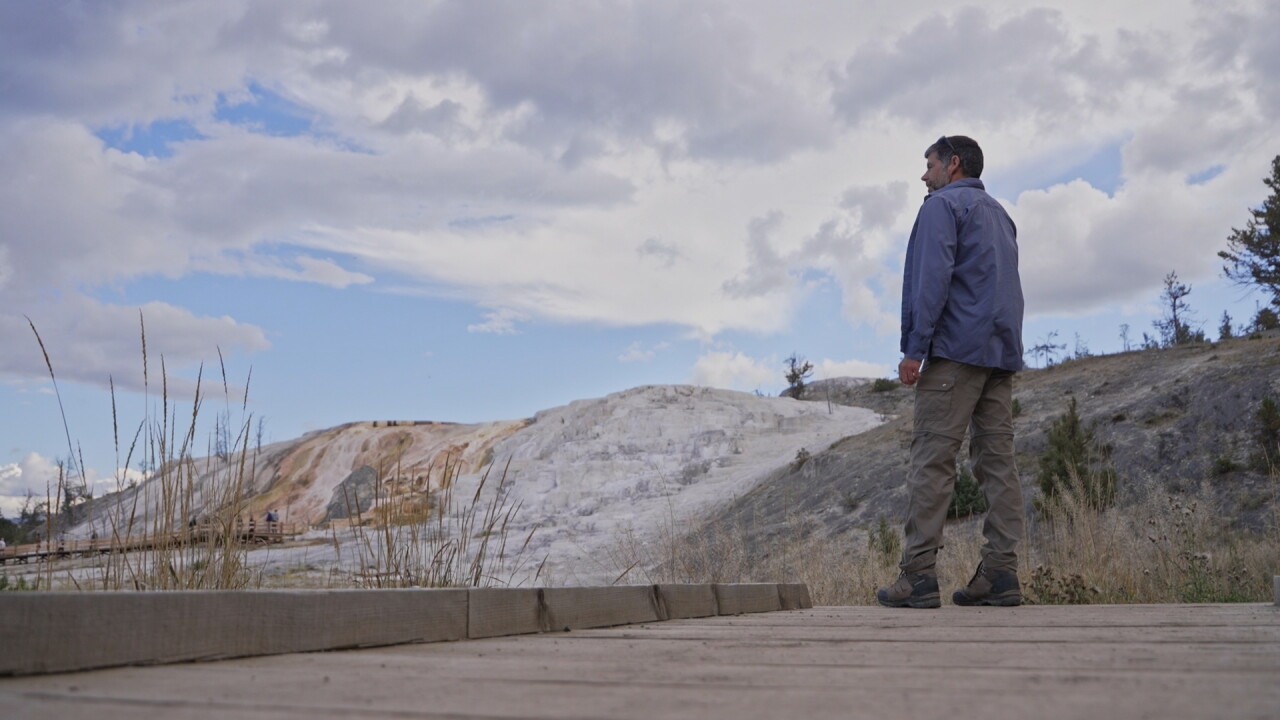
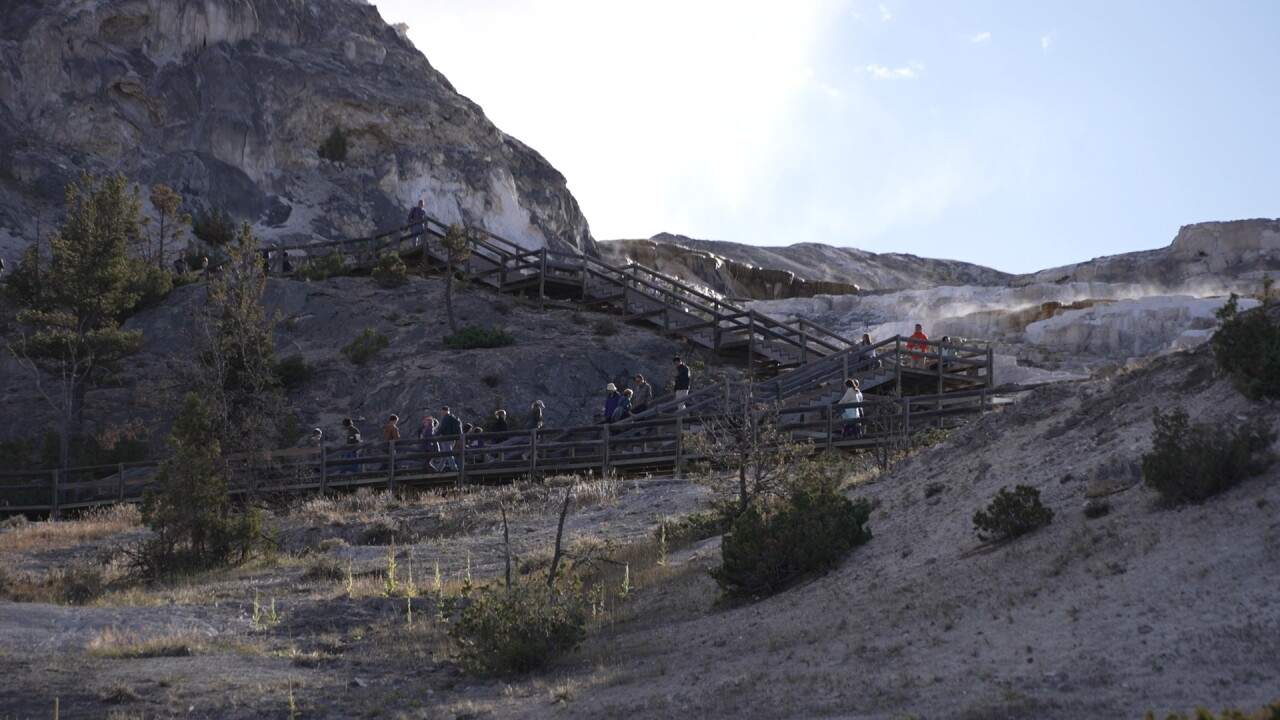
Removing the debris is not as simple as walking over and picking it up. Hydrothermal areas can have thin ground crusts sitting above boiling water or steam. What looks like solid ground can give way, potentially causing severe burns.
Poland said the park's geology team is trained to navigate those areas and uses specialized tools, including long grabbers, to retrieve items.
“It takes some training to understand whether or not the ground is stable, whether it's safe to walk on,” Poland said.
He said visitors should not try to retrieve a hat, phone, or other item that falls beyond a boardwalk.
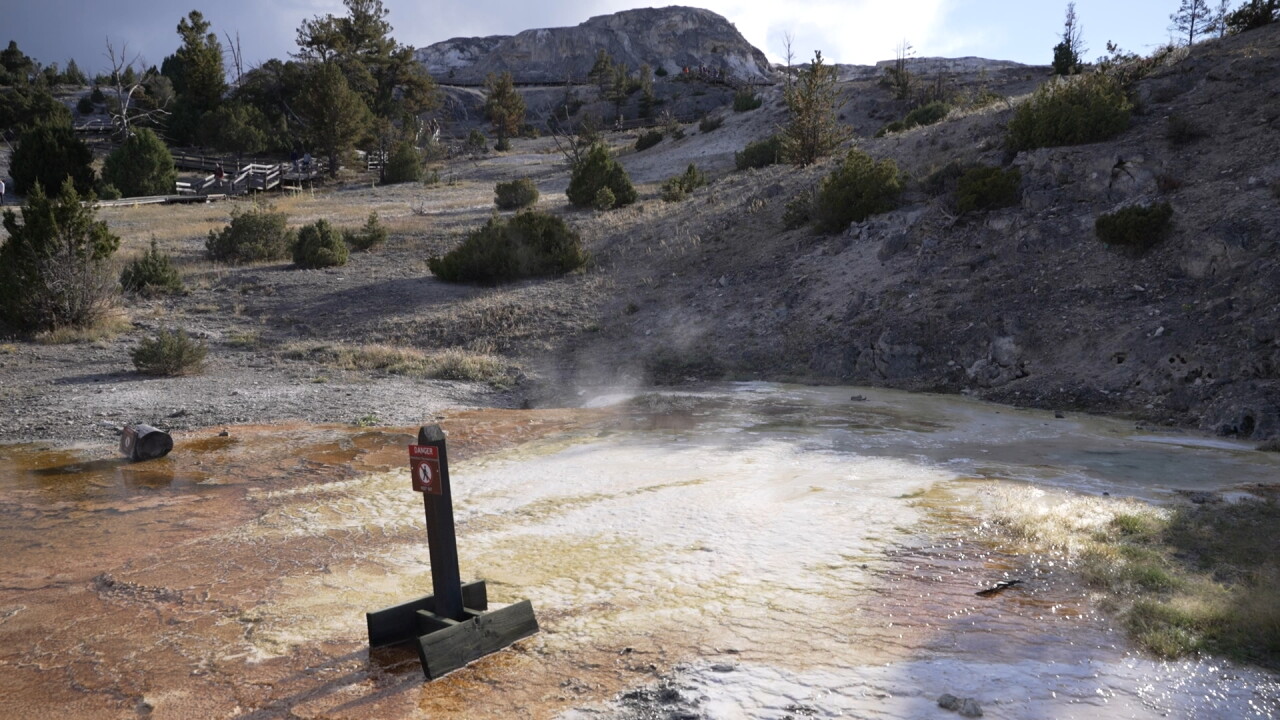
“A lot of these areas look completely safe and solid,” Poland said. “It looks like solid rock, but it's a really thin crust. And if you break through to boiling water, that's bad news.”
The geology team typically includes four or five people during the summer and works throughout the park's thermal areas. Poland said the team also has to decide whether an item is safe to retrieve and how to approach it without putting workers at risk. The danger is one reason park officials tell visitors to stay on designated trails and boardwalks.
Poland said the record number of items could reflect several factors. Yellowstone receives more than 4.5 million visitors annually, and September is no longer the relatively quiet period it once was after Labor Day, he said.
More visitors can mean more opportunities for items to be accidentally dropped or blown away. The park also recovers items that may have been sitting in thermal areas for extended periods.
"There are a lot of people that are still visiting the park and that may contribute to more of the trash," said Poland. "It may also be that this particular summer was a particularly windy summer."
For visitors like White, keeping the park clean is part of preserving the experience for everyone.
“This is such a rare piece of preserved beauty that we need to keep our possessions and our trash with us,” she said.
“I also treat this like someone's home," said Freer. "We're looking at the bison. I was like, 'Well, we're in their home.' This isn’t ours, and we should respect that we are just visiting.”
Poland said that responsibility belongs to everyone who visits the park.
“We all have a responsibility for being good stewards of this amazing landscape,” he said. “It's wonderland for a reason.”
The park recommends visitors keep easily windblown trash deep in a pocket or bag, secure or remove hats in windy areas, and use trash cans whenever possible. Poland said if something falls off the boardwalk, the safest choice is to leave it there and alert park staff.
“The better we can do a job at stewarding this landscape,” Poland said, “the more likely it'll be here for the next generation to enjoy the same way we're enjoying it.”