


FORT SMITH — A new federal law gives the Crow Tribe more flexibility to develop water infrastructure and move forward with long-delayed projects to improve access to clean, reliable water across the reservation.
Watch the full story here:
President Donald Trump signed the Crow Tribe Water Rights Settlement Amendments Act of 2025 into law on Oct. 15, updating a 2010 water rights settlement that authorized federal funding for major water infrastructure projects.
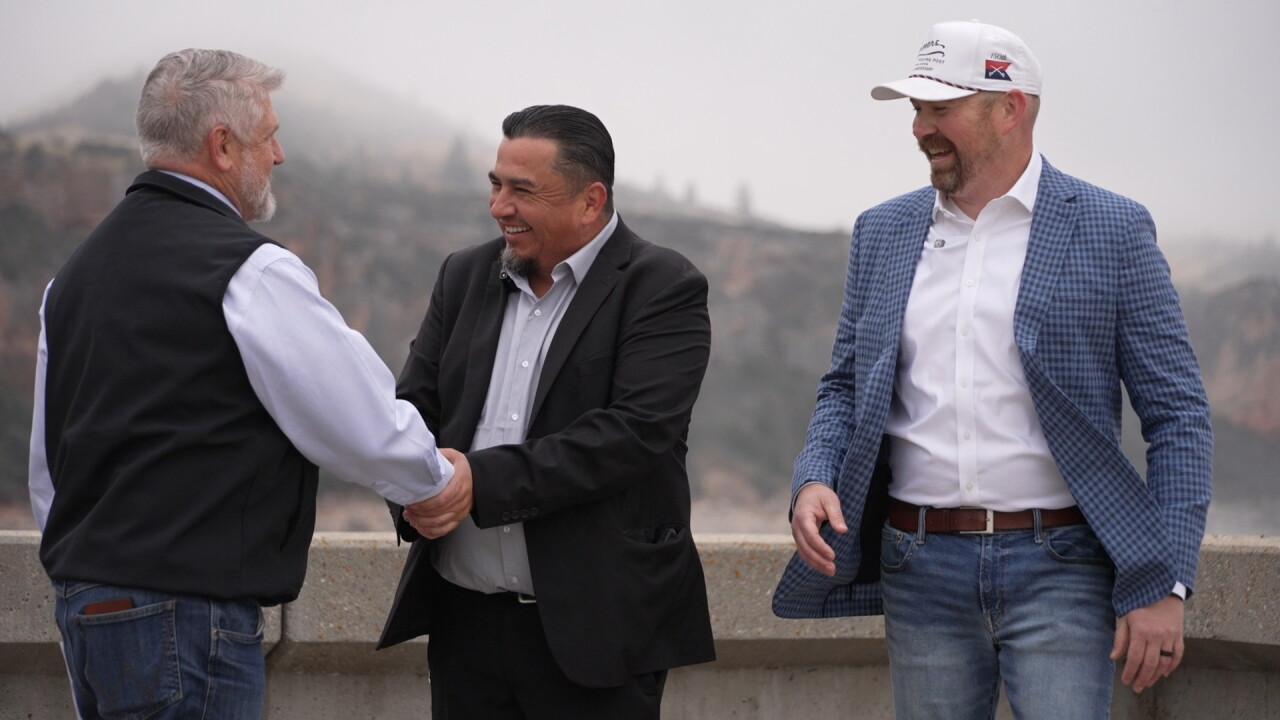
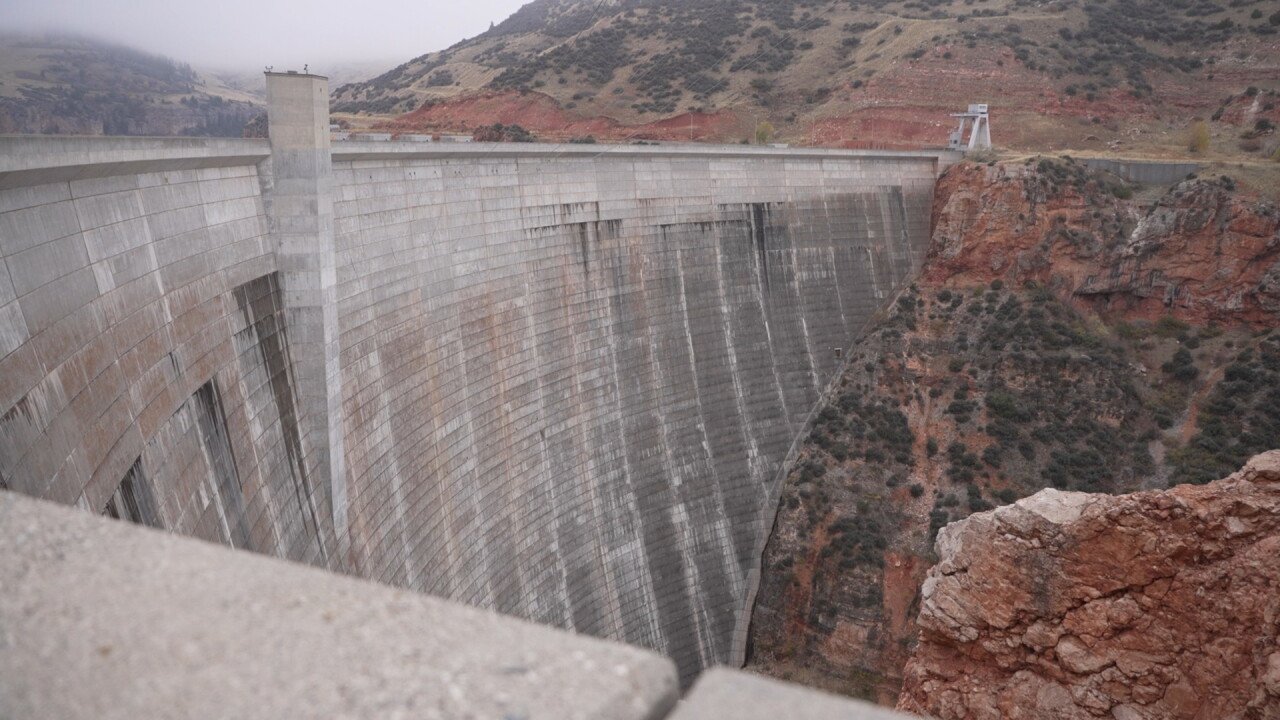
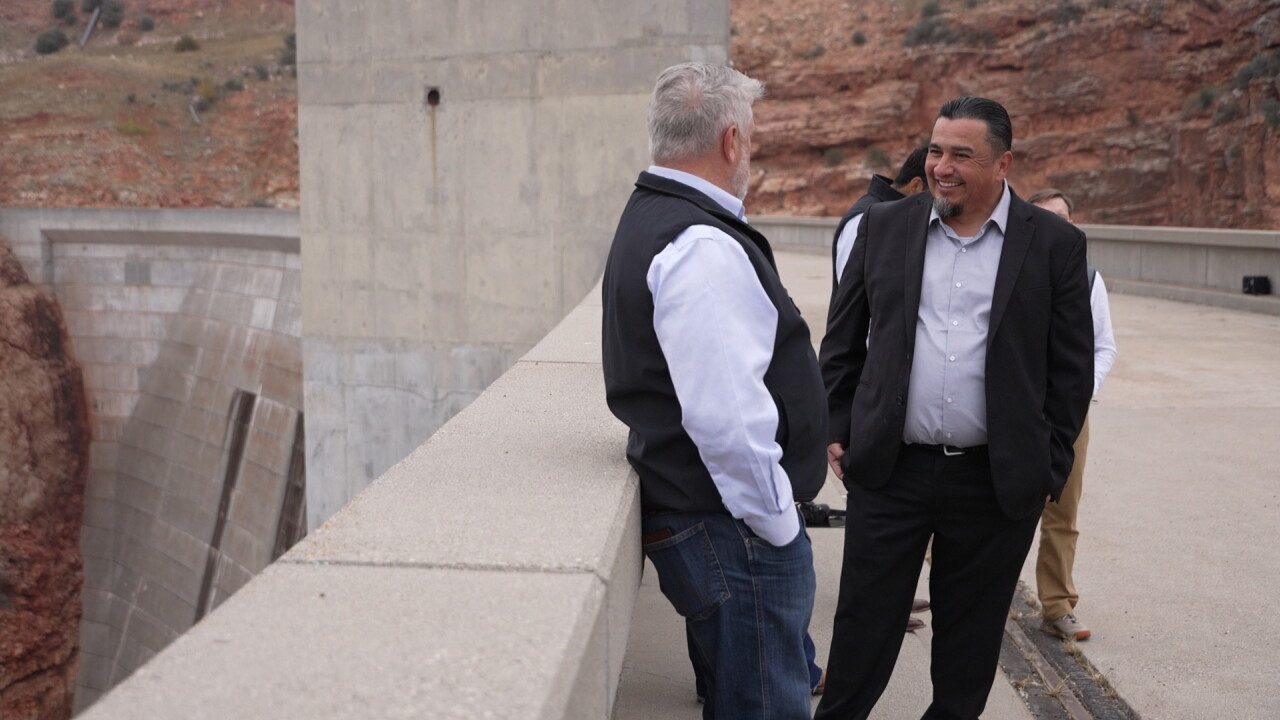
On Friday, U.S. Rep. Troy Downing, R-Mont., joined Crow Chairman Frank White Clay and Sen. Gayle Lammers at the Yellowtail Dam to celebrate the legislation and discuss what it could mean for the tribe.
"Today, we're here to celebrate something simple but incredibly important: access to clean, reliable water," Downing said during the event. “For far too many rural and Native American communities, access to reliable water infrastructure has been a challenge for generations, and that is simply not acceptable.”
The new law lets the tribe move away from the original plan for one large water system and pursue smaller, regional projects tailored to individual communities instead. Those projects could include drinking water systems, improved wells, water storage and delivery infrastructure, and wastewater treatment.
The amendment does not create new water rights or authorize additional federal spending. Instead, it gives the tribe more flexibility to use funding already approved under the original settlement.
"It's just allowing them to actually right-size the system for the communities that depend on this," Downing said in an interview with MTN News.
The law also extends the tribe's exclusive opportunity to pursue hydropower development at Yellowtail Afterbay Dam through 2030, giving the tribe more time to explore potential energy production and economic development.
For White Clay, the changes address an issue that has affected his family and community for much of his life.
"I've hauled water my whole life," White Clay said. "We have elders that haul water every single day. They're having to brave the winters.”
Roughly half of households on the Crow Reservation live with contaminated water or without access to reliable water sources. White Clay said about 40% of homes rely on wells, and more than 39% of those wells have exceeded safe drinking water levels.
“It's the aging water system," he said. "We're dealing with water shortages. We're dealing with safety issues with not having water for the fire hydrants. It's a big issue in every single community on the reservation.”
The new law comes after years of challenges with the original water rights settlement.
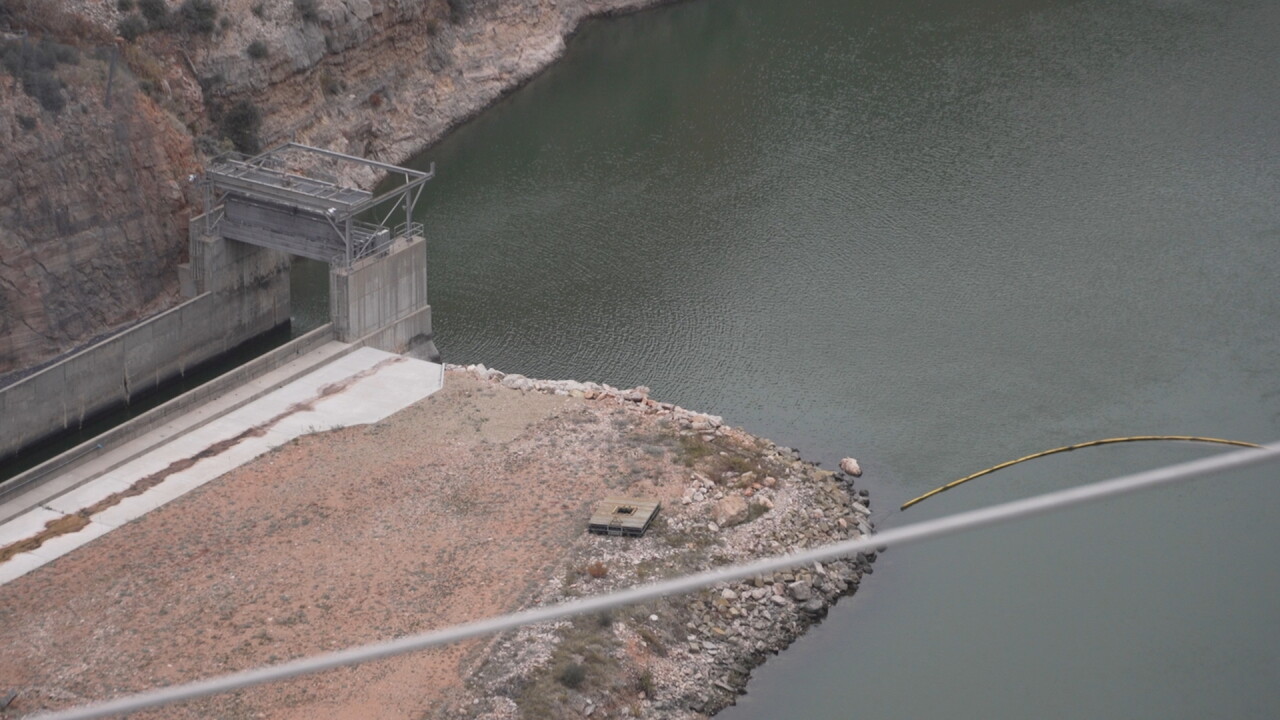
Passed in 2010, the agreement envisioned a large pipeline system that would carry water from Yellowtail Afterbay to communities across the reservation. But rising costs and logistical challenges, including securing easements across approximately 2.4 million acres, made the original plan difficult to carry out.
"A lot of the projects haven't got off the ground, and most of it was because of feasibility," said White Clay. "When I became chairman in 2020, I would have had to make a decision of which communities get water and which communities do not ... so, we went back to the drawing board."
He said the amendment gives the tribe a path to work toward providing water to all communities, including rural households that rely on wells and hauled water.
Beyond improving water access, White Clay said the projects could create jobs for tribal members, attract businesses, and support broader economic development across the reservation.
Downing said the Crow Tribe's water project is one of several infrastructure efforts he hopes to advance across Montana. He also pointed to water and sewer projects near Fort Peck and the proposed Northern Montana Water Security Act, which would address infrastructure in the St. Mary and Milk River watersheds and establish a water settlement for the Fort Belknap Indian Reservation.
“I've spent, you know, the last two years since I've been in Congress with people coming into my office with mason jars full of water that's brown, gray, or worse, and saying, 'This is what's coming out of my tap. You need to help us,'" Downing said. "And we're trying to make sure that we're listening to the communities."
For the Crow Tribe, the next step is turning the newly approved flexibility into projects that reach families across the reservation. White Clay said his hope is that one day, tribal members will no longer have to haul water to their homes.
"Especially in this day and age, that shouldn't be something we have to do every day, but we do," he said.
