


BILLINGS — More than 400 miners and workers walked off the job Thursday morning at Sibanye-Stillwater's operations in Nye and at the smelter in Columbus.
The United Steelworkers union says its main issues center on healthcare costs and incentive pay.
Watch Stillwater Mine strike story here:
As of Thursday, both the union and the company say they are waiting to hear from the other side about returning to negotiations.
One concern for workers is being required to pay higher premiums for health insurance.
"You don't want to have to use insurance, but when you do have to use it, it's nice not to get hit in the pocketbook that it breaks you," said Corey Anthony, a mobile maintenance mechanic.
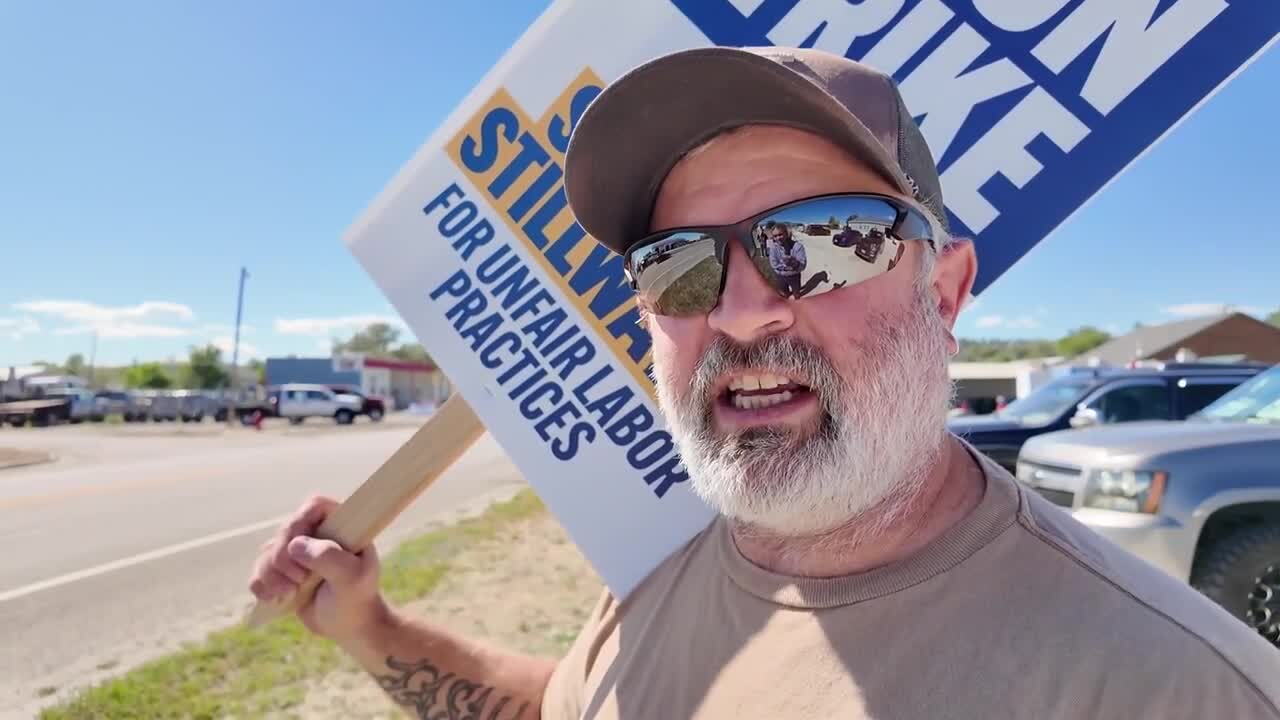
Workers also say long-term disability coverage has been reduced from 12 months to nine months.
"I had to have my shoulder rebuilt because of the nature of my work, which took me well into 10 months of recovery time," said Brett Stebbins, an underground miner. "That would have made me an automatic termination."
Sibanye-Stillwater says it is irresponsible to offer healthcare that no other company does.
Spokesperson Heather McDowell addressed the company's financial position.
"I'm really worried that people don't understand how grave our financial situation is," said McDowell, vice president/general counsel, legal and external affairs.

The company says it has lost $500 million over the last 3.5 years.
Union members are skeptical of that framing.
"They need to learn how to budget better because the budget is not that bad here and there are far other things they can do," said Aven Benner, laboratory technician.
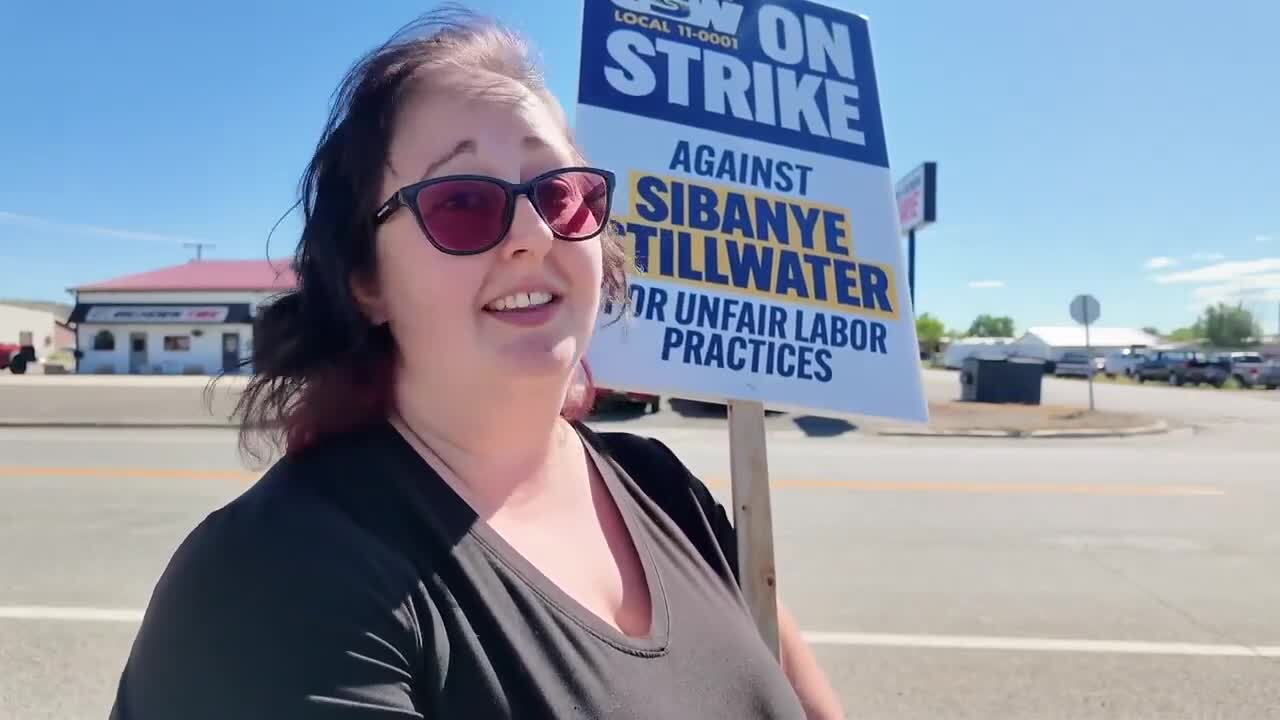
Sibanye-Stillwater is also seeking to change incentive pay structures.
Workers say the proposed changes could significantly cut their earnings.
"We could break all the tons with the new incentive but not meet goals elsewhere," said Kevin Campbell, who works as a miner. "And that will affect what we get paid."
Campbell says he could lose upwards of $20,000 a year under the new structure.
Others say the reduction could exceed $30,000 and represent up to one-third of current incentive pay.
The company says it is shifting to what it calls a mechanized approach, which involves blasting more rock — much of it waste — and says new incentives need to reflect other parts of the mining operation as a result.
McDowell acknowledged the impact on workers' pay.
"It is not a good situation that there are people who will make less incentive pay," McDowell said. "There's no doubt, but you know, we have to find a way to survive."
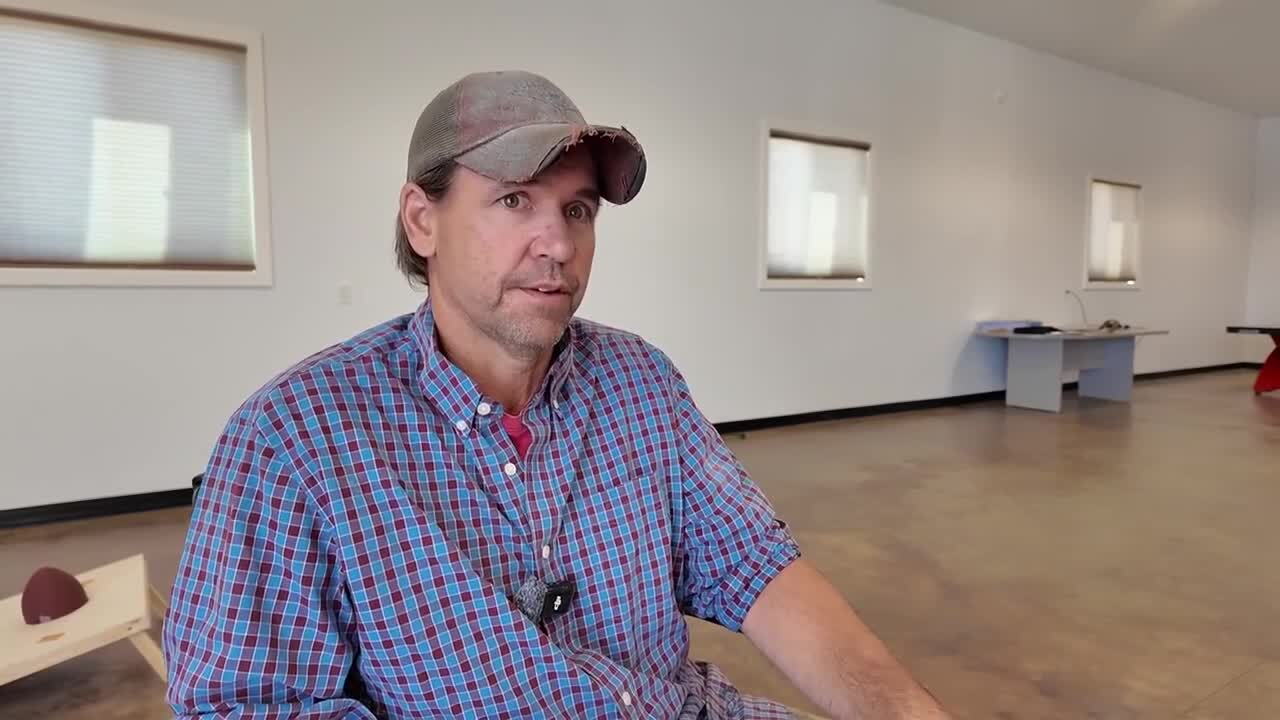
As of Thursday, both sides say they are waiting to hear from the other about returning to the negotiating table.
Some workers say they have been preparing for this moment for months.
"I'm mentally prepared for it early on, so I started putting money away since January," said Levi Austin, a miner. "So I'd be able to ride it out for a while."
Others describe the uncertainty of life on the picket line.
"Lots of unknowns," said Chad Esche, a hot metals operator. "Of course, you watch what you spend, whether you got the money or not because you don't know what's coming."
WATCH Stillwater mine strike story (Sept. 2, 2026)
RELATED: Sibanye-Stillwater workers set to strike Thursday at smelter and Nye mine
This story was reported on-air by a journalist and has been converted to this platform with the assistance of AI. Our editorial team verifies all reporting on all platforms for fairness and accuracy.
