



HELENA — The state of Montana is providing updated guidance on eating wild-caught fish following a study that found potentially harmful chemicals in some fish populations.
The study looked at per- and polyfluoroalkyl substances, better known as “PFAS” or “forever chemicals”, in Montana fish. T
The Interagency Fish Consumption Advisory Group — consisting of representatives from the Montana Department of Public Health & Human Services (DPHHS), Montana Department of Environmental Quality (DEQ) and Montana Fish, Wildlife and Parks (FWP) — then updated the consumption guidance based on the results.
WATCH: Montana updates fish consumption guidance for "forever chemicals"
“That had never been looked at in fish before in Montana,” said FWP Pollution Biologist Trevor Selch. “DEQ had done monitoring across the state in the water. And so we used the results they had from that water sampling to kind of follow up with fish testing to see if the fish were safe to eat.”
The PFAS Fish Tissue and Surface Water Monitoring Report examined fish in 11 water bodies: Missouri River, Whitmore Ravine, Lake Helena, Prickly Pear Creek, East Gallatin River, Yellowstone River, Fort Peck Reservoir, Nelson Reservoir, Clark Fork River, Flathead Lake and Flathead River.
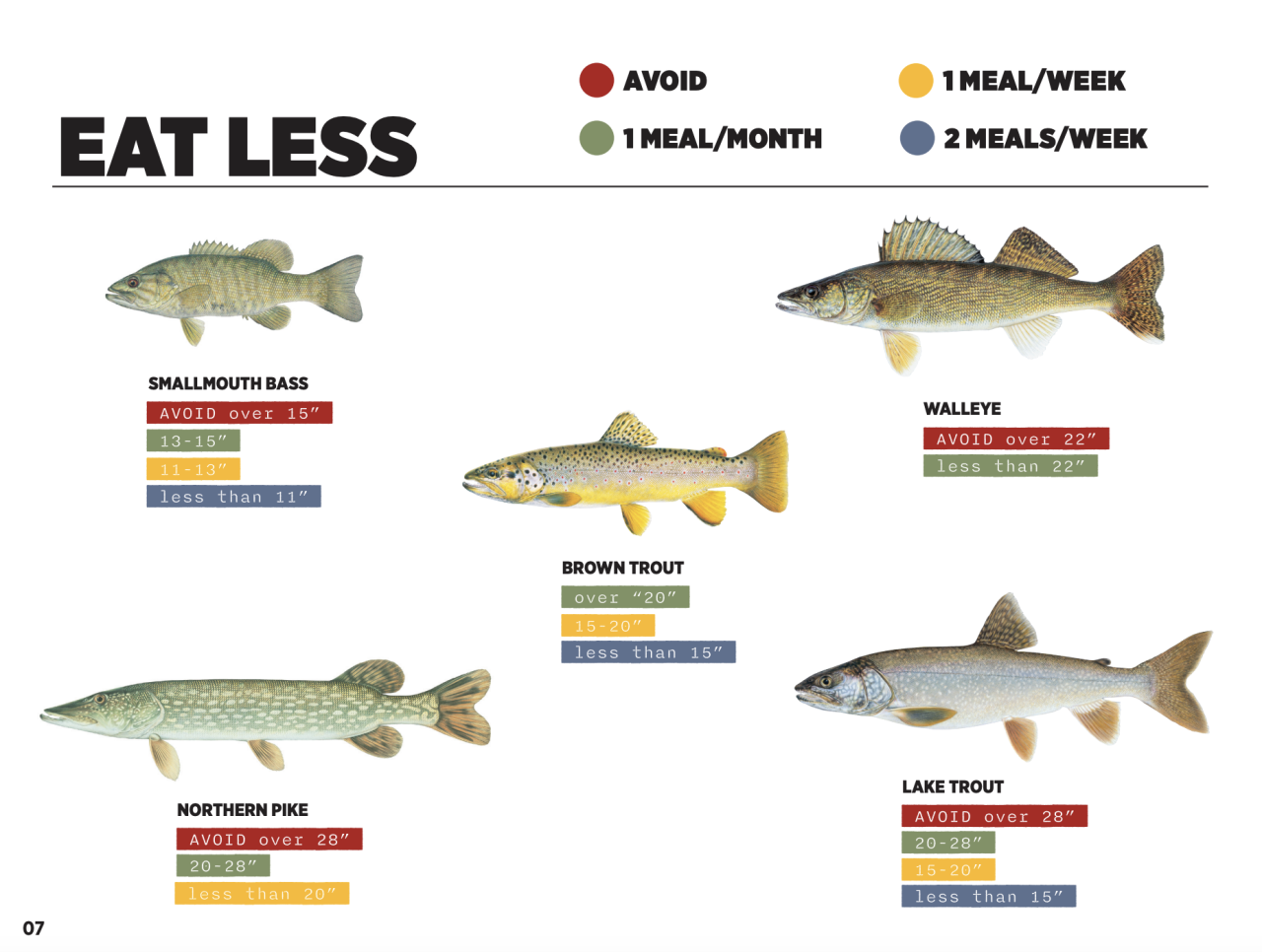
PFAS were found in multiple fish species, such as Northern Pike, Walleye, and several trout species like lake trout and rainbows. Larger, longer-lived fish tended to have higher concentrations of PFAS.
“Typically, a larger fish is more piscivorous, meaning they eat other fish,” Selch explained. “And so not only are they bioaccumulating those toxins, but they're biomagnifying as it worked its way up the food chain.”
Montana’s waterways are massive. DEQ notes that the results of the PFAS Fish Tissue and Surface Water Monitoring Report are unlikely to be representative of all Montana waterbodies due to the size of the sampling in the study, and the study looked specifically at areas where PFAS were suspected.
PFAS have been commonly used in products since the 1940s, including stain-resistant clothing, firefighting foam, waterproof containers and non-stick cookware.
“It's come off of those products and into our water systems. And then ultimately it is getting into fish and animals,” said DPHHS State Toxicologist Dawn Nelson.
PFAS do not occur naturally and take hundreds to thousands of years to break down in the environment. Higher concentrations of the compounds in the environment are typically detected near urban areas.

Research has linked higher exposure to some PFAS compounds with neurological and immune system impacts, especially in the young.
“If somebody is pregnant or if it's a young child, they tend to be more sensitive to the effects of chemicals in general and may want to be more cautious,” noted Nelson.
Some PFAS have also been linked to certain cancers, but the state says none of those compounds were found in Montana fish during the study.
DPHHS also notes that there are a lot of benefits to eating fish, like omega-3 fatty acids, especially in moderation. They just hope the guidance helps people make informed decisions when eating wild-caught fish in Montana.
“I think it's important to use those as a way to make decisions, as a way to make that balance, that where you can get the nutritional benefits of eating fish,” said Nelson.

The highest concentration of PFAS in surface water was detected at Whitmore Ravine near Great Falls in 2021. The total PFAS concentration was 12,920 parts per trillion.
The EPA has set drinking water standards of PFAS at 4.0 parts per trillion. Malmstrom Air Force Base in the area has confirmed significant PFAS in the soil and groundwater and is slated for a remedial investigation and feasibility study by the end of 2032.
PFAS concentrations in Montana fish tissue ranged from 0.11 to 5.4 µg/kg ww (micrograms per kilogram wet weight).
The highest concentrations of PFAS in fish tissue occurred in the East Gallatin River, Fort Peck Reservoir, and the Yellowstone River. Of those areas, Fort Peck walleye (22-26”) were measured the highest at 5.4 µg/kg ww.
The EPA does not have a federal standard for acceptable levels of PFAS in fish tissue and has left it up to individual states to set recommendations.
The European Food Safety Authority has set its consumption levels at 4.4 nanograms per kilogram of body weight per week, which is 275 nanograms for an average 140-pound person. Montana fish that tested positive for PFAS ranged from 110 to 5,400 nanograms.
DEQ notes there isn’t enough data collected yet to determine the full prevalence of PFAS in Montana water, and it will take time and investment for technology and regulations to catch up with the evolving science.
Read the full 2026 Montana PFAS Fish Tissue Report:
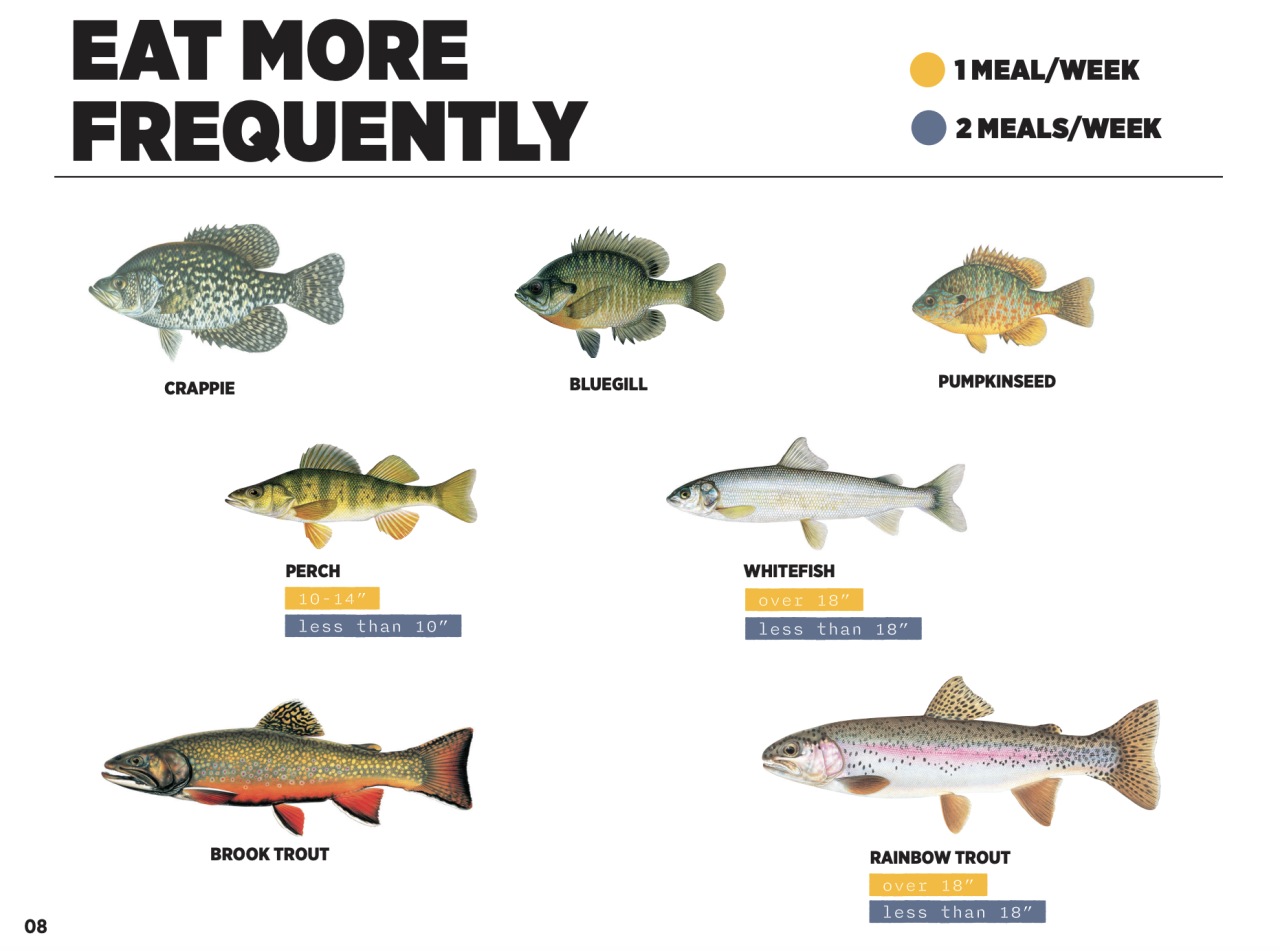
PFAS are not the only potentially harmful substances in Montana’s wild fish populations. The state also has recommended guidance due to levels of mercury, dioxins, cadmium, arsenic, selenium, and PCBs.
Click here to see the full guidance on eating sport fish in Montana.
