


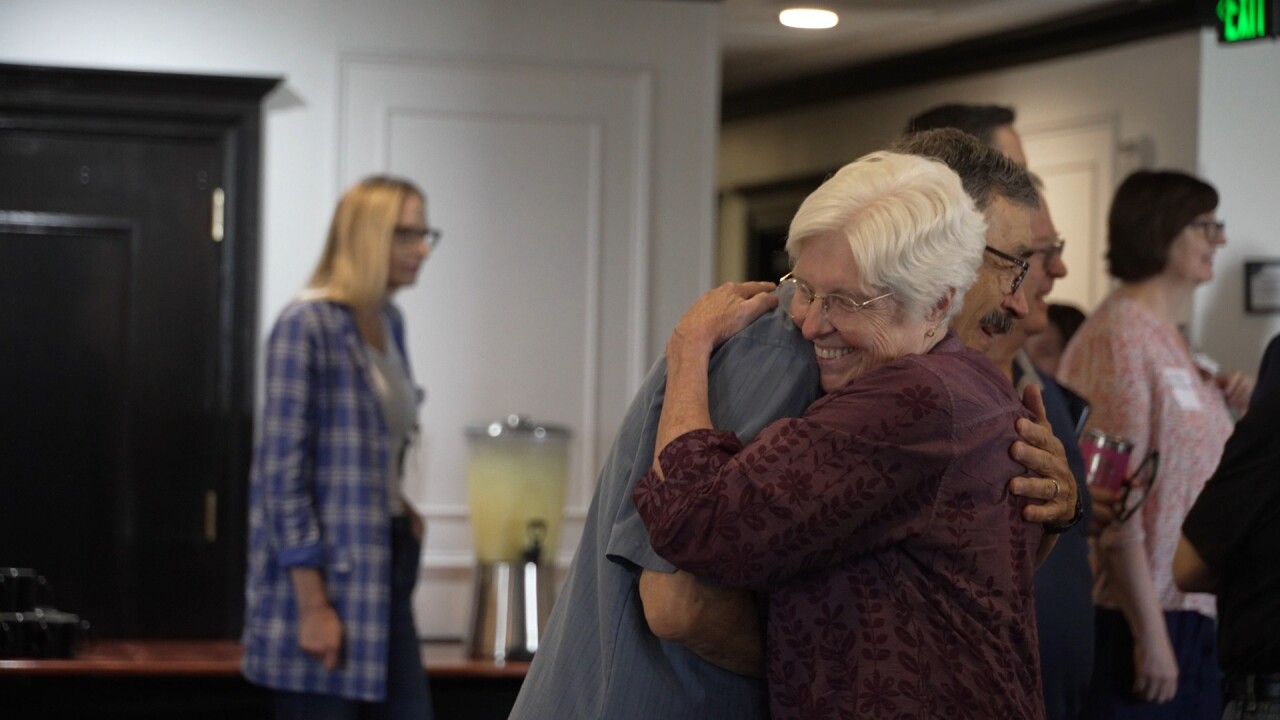
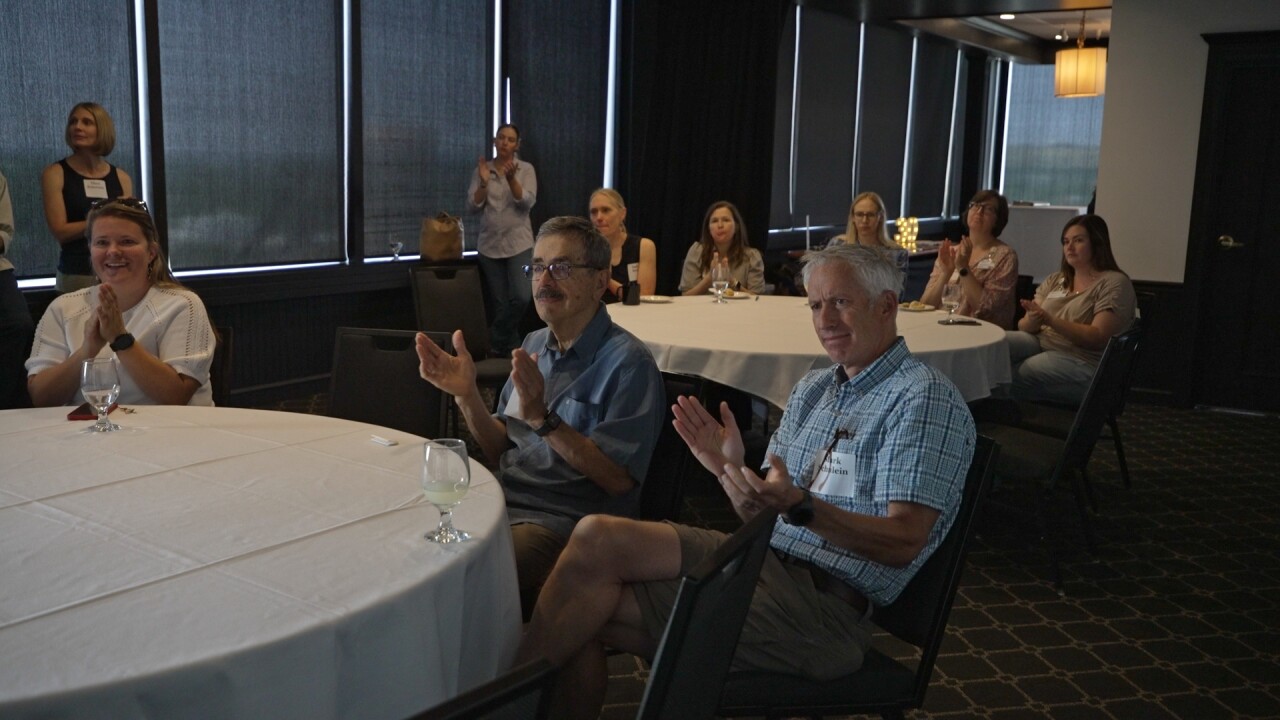
BILLINGS — Three decades of Montana family medicine came together Friday at the DoubleTree by Hilton hotel in Billings, where current and former residents, physicians, and officials gathered to celebrate the 30th anniversary of RiverStone Health's Montana Family Medicine Residency Program.
Watch the story below:
For Dr. Roxanne Fahrenwald, who arrived in Billings in 1998 and went on to lead the program for about 15 years, the celebration offered a chance to see former residents return to the community and reflect on what the program has built.
“It's really wonderful to see a lot of our graduates come back, and some are practicing in Montana,” Fahrenwald said.
The Montana Family Medicine Residency program began in 1995 as a partnership between Billings hospitals and community health care providers. The program was designed to train family physicians in Montana, with an emphasis on preparing them to practice in rural and underserved communities.
"Starting from really the seed of yes, you can educate people in Montana, you don't have to import them from all over the country, that has really grown and blossomed," said Fahrenwald.
Since then, nearly 200 physicians have graduated.
The program has grown from about six residents per class to nine, according to current program director Dr. Garth Brand. A new rural training track will add another two residents per year, with physicians spending their first year in Billings and the next two in Miles City.
The expansion comes as Montana and other rural states continue to face challenges recruiting and retaining physicians.
"Because Montana is so rural and we have such a large geographic area, it requires a very different approach to healthcare," Brand said.
Fahrenwald said that when the residency began, multiple counties had no health care providers.
In rural communities, that can mean patients traveling long distances to see a doctor.
“Looking at the state at that time, and unfortunately this hasn't changed much, there were between 5 and 7 counties, depending on the year, in the state of Montana that had no healthcare providers at all," Fahrenwald said. "We wanted to have some impact on that. We also wanted to, I think, model the fact that you can train physicians in a rural area.”
The program's leaders said that approach has made a difference.
About 60% of the program's graduates continue to practice in Montana, Brand said. He said graduates make up about 14% of the state's primary care workforce, while about half of Billings' primary care physicians came through the program.
But even as the number of physicians trained in Montana grows, rural communities continue to struggle to attract doctors.
“Even though we're graduating more medical doctors, they're not going into rural areas,” Brand said. "The amount of physicians going into rural practice has been flat for the last 20 years, but patients are still there. They still need health care.”
The broader physician shortage extends beyond Montana. The American Medical Association has projected that the U.S. could face a shortage of more than 100,000 physicians by the mid-2030s.
“Populations are growing everywhere," said Brand. "So there's still more patients that need to be seen out there, but we're not replacing the physicians that we're losing."
Related: National physician shortage has deep impacts in Montana, according to local physicians
The residency program is one piece of a broader expansion of medical education in the state. Montana now has additional residency programs, and new medical schools in Billings and Great Falls are also training physicians in the state.
The idea is that exposing medical students and residents to Montana communities can make it more likely they will eventually build their careers there.
Brand said the program expects to train as many as 11 residents in a class going forward, with some spending most of their training in a rural community.
"I think we're in a unique spot to be able to guide where some of that growth goes, whether that's integrating new technologies, telemedicine, AI, things like that in rural places, as well as growing procedural training," said Brand.
For Fahrenwald, the growth represents how much Montana's medical education system has changed since she arrived in Billings, but she said the work is not finished.
“There's always more to do,” Fahrenwald said. “But it's so much better than it was, and it's still growing.”
