


It's World Diabetes Day, and for as long as I can remember, blood sugar readings have been a part of my life. For almost 20 years, managing diabetes has just been a part of survival for me. And for those 20 years, I've heard about the possibility of a cure. But this year, that possibility is looking a little bit different.
Watch the full story below:
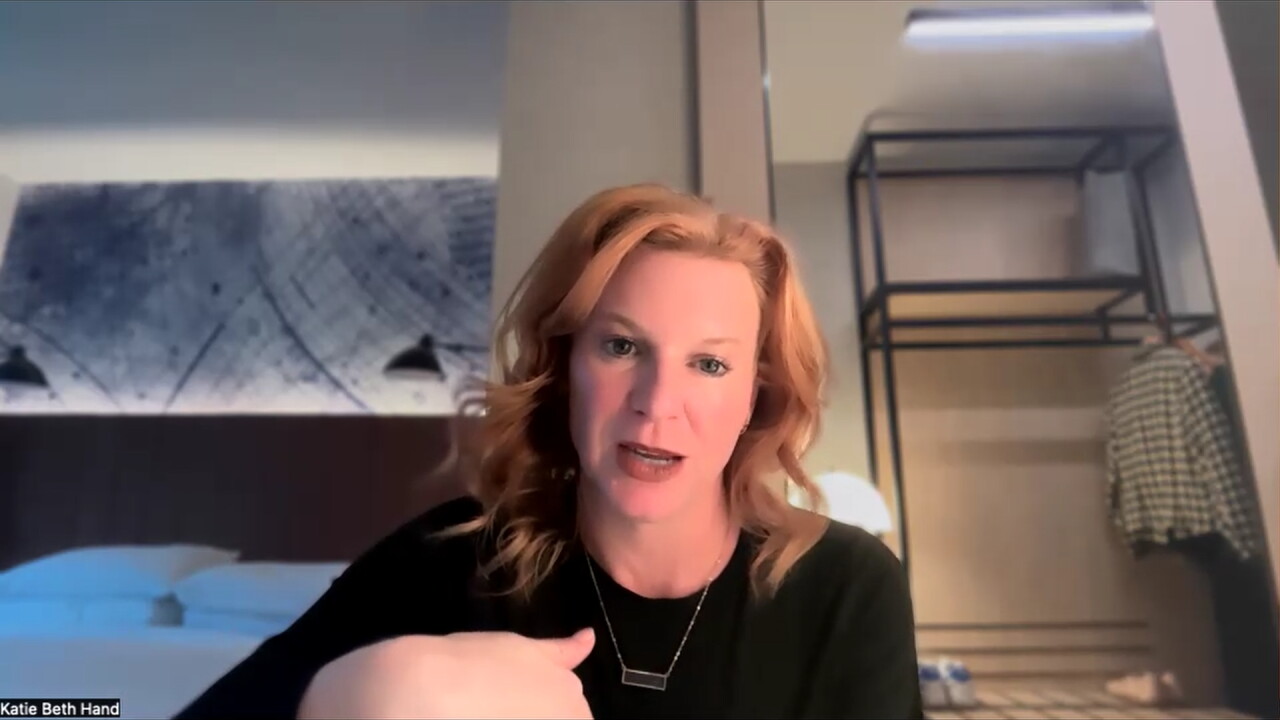
It's different because Katie Beth Hand lived with Type 1 diabetes for 13 years.
"I was very much told like, I'm really sorry. Learn to live with this. This is forever," Hand said.
In January, she received an islet cell transplant as a part of the Eledon trial at the University of Chicago. By March, she started to notice how effective the trial had been.
"Today is my 256th day without any insulin," Hand said. "I certainly didn't think it would be something that would actually happen to me."
To understand what changed for Katie Beth, it's important to understand what's missing for Type 1 diabetics. In bodies that have Type 1 diabetes, the immune system destroys the cells in the pancreas that make insulin. This trial essentially puts those cells back into the body, and an immune therapy medicine is used to allow the body to accept them.
Islet cell transplants are nothing new to the world of science; however, the magic is in a new medicine called Tegoprubart. Tegoprubart works to protect the transplanted cells without harmful effects that many other immunosuppressant drugs may have on the body.
"For the first time, we can take a drug that affects the immune system and to get the cells of the immune system to stop attacking those insulin-producing cells," senior director of research at Breakthrough T1D Joshua Vieth said.
So far, all 12 participants in the study have reported becoming insulin-independent.
Insulin is something I've needed every single day since I was about three years old. It keeps me alive. The idea that a Type 1 diabetic can one day put down their insulin has always sounded just like that: one day. But for patients on this trial, one day is happening right now.
Researchers aren't quite ready to call this a cure, but it is a huge step in the right direction. More trials will be done before it can be FDA-approved and accessible to the nearly nine million people who live with Type 1 diabetes worldwide.
"This is something that was quite frankly science fiction five to ten years ago, and now we're not talking about if we can do it. We're talking about how we can do it better," Vieth said.
Hundreds of miles away from the research, Montana families are watching.
"That we're this close to maybe having a cure for type 1 diabetes although in the last 25 years there's been numerous different things that have moved us closer and closer to a cure," Tonya Fuhrmann said.
Fuhrmann founded the Montana Youth Diabetes Alliance, which hosts camps, financial assistance, and events all over the state, helping families that began the same journey I did back in 2008.
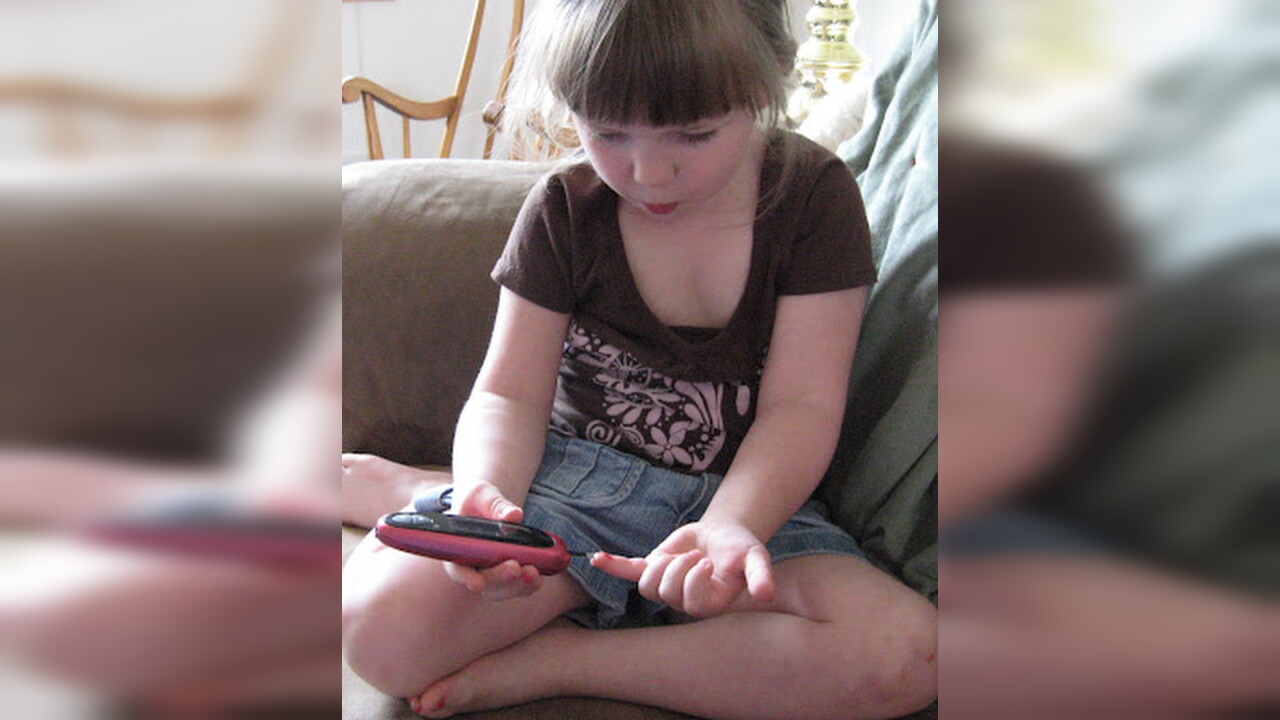
Katie Beth knows the research isn't finished. Doctors are still studying her, but after 13 years of Type 1 diabetes, her day no longer revolves around insulin.
“The two million people in the United States and the nine million people around...this is a huge stepping stone in getting us all to a cure or different versions of the cure," Hand said.
