

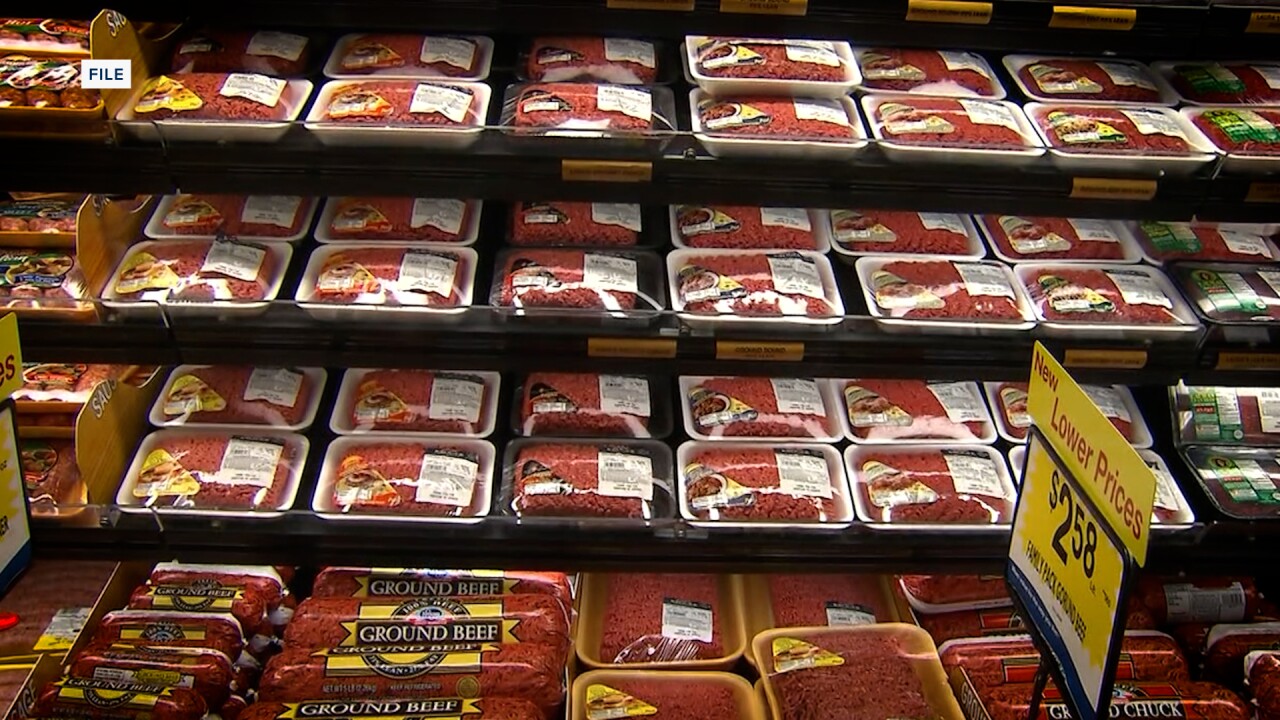


GREAT FALLS — President Donald Trump’s announcement that the United States will temporarily lift higher tariffs on some imported beef is drawing concern from Montana cattle groups, while one auction manager says the initial market reaction should be kept in perspective.
WATCH: Madison Collier's report below:
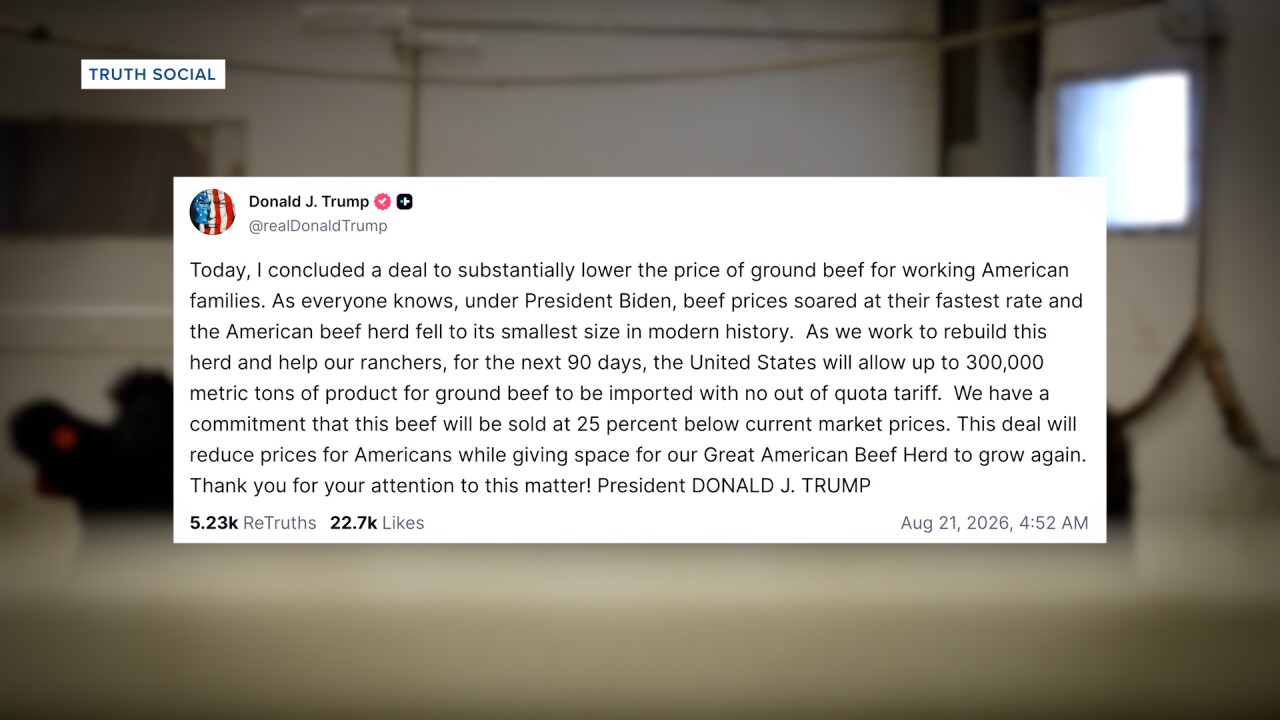
Trump said in a social media post Friday the United States will allow up to 300,000 metric tons of beef intended for ground beef to enter the country without the higher “out-of-quota” tariff for 90 days.
He said there is a commitment for the imported beef to be sold 25% below current market prices. Trump said the move would lower prices for consumers while giving the U.S. cattle herd room to rebuild, but the post did not identify where the beef would come from or explain how the discount would be guaranteed.
Montana Farmers Union President Walter Schweitzer estimates the volume would increase the nation’s beef supply by about 2%. He said the announcement could still put downward pressure on cattle prices without producing a noticeable change at the meat counter.
“The impact is going to be on the producers,” Schweitzer said. “The consumers, I will be surprised they see much change in their beef prices, because what’s going to happen is the packers are just going to make more money.”
Schweitzer also reaffirmed his call for mandatory country-of-origin labeling, arguing that shoppers should be able to distinguish imported beef from beef produced in the United States.
The announcement came as Kyle Shobe, owner of Lewistown Livestock Auction, was helping wrap up a video auction in Sheridan, Wyoming.
Shobe said live and feeder cattle futures initially moved lower Friday morning before beginning to recover. The cash cattle trade, however, showed little immediate change.
“With the cash trade that we’re seeing here, we aren’t seeing a whole lot of difference that way,” Shobe said. “The difference is on the board of the Chicago Mercantile Exchange.”
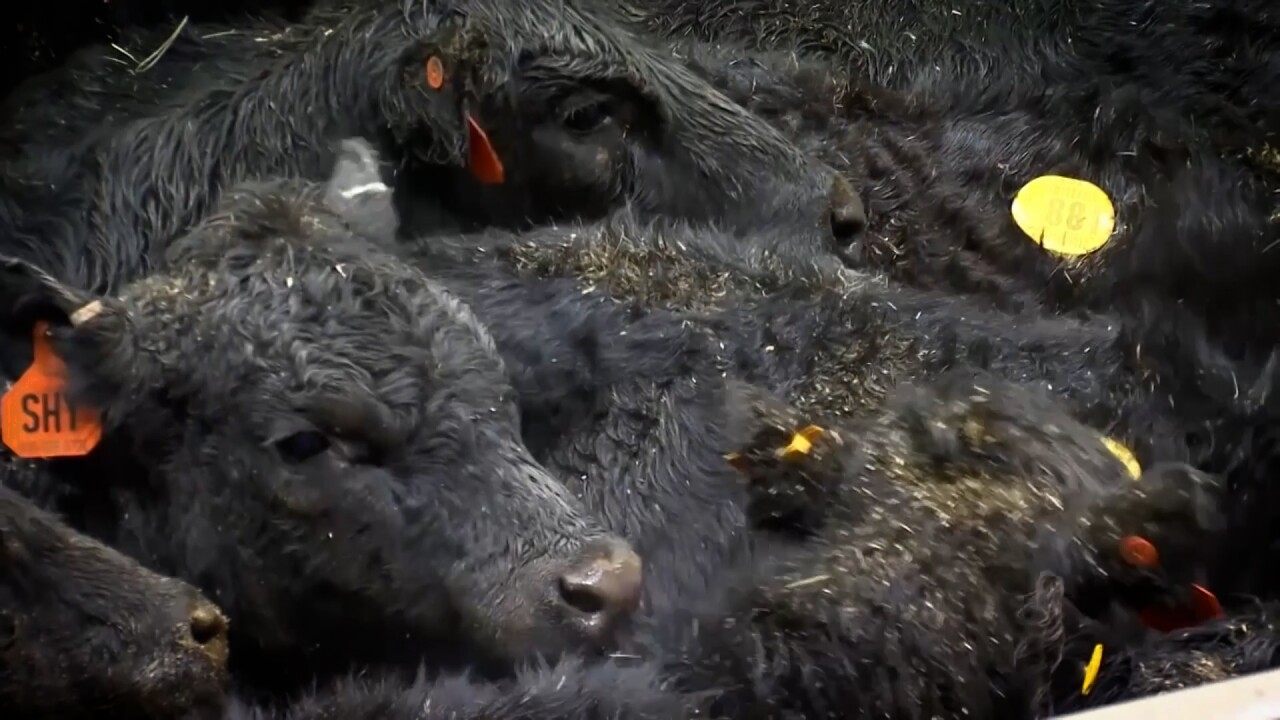
Shobe said the announcement may create some instability in an "already shaky" market but cautioned against overstating its effect. Cattle numbers remain exceptionally low, and he said the U.S. herd is not rebuilding as quickly as it has during previous cattle cycles.
“I think, in a lot of ways, the cow-calf producer, especially here in the state of Montana, is still in the driver’s seat in a big way,” Shobe said.
Addtionally, Montana Cattlemen’s Association President Tim Brunner opposed the announcement. In a statement, Brunner questioned where the additional beef would come from, how it would be inspected and whether a 90-day policy could contribute to rebuilding a herd.
“If you think you can rebuild a national cow herd in 90 days, I’ve got some heifer calves to sell you,” Brunner said in the statement.
Shobe said upcoming cash sales at local livestock auctions will provide a clearer picture of whether Friday’s announcement has a lasting effect on cattle prices.
