

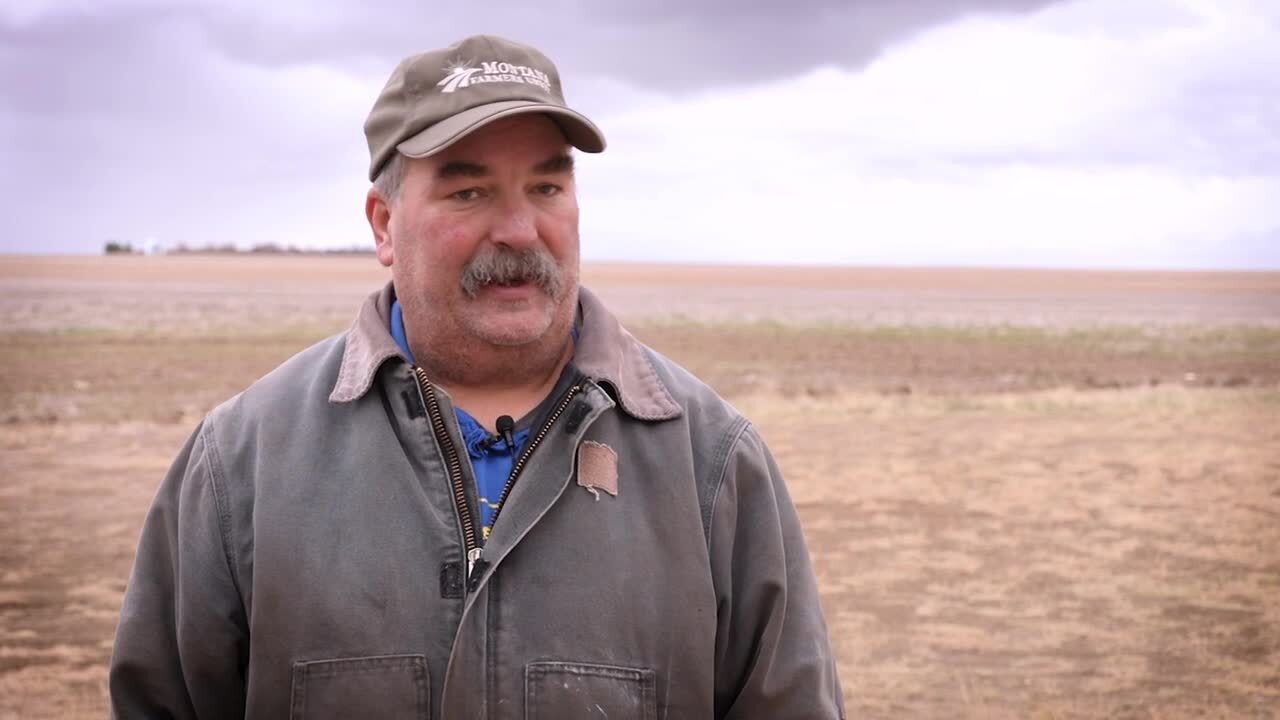


Farmers across Montana are heading into the spring planting season facing the potential challenge of rising fertilizer prices.
Suppliers and producers alike say global tensions involving Iran are beginning to ripple through fertilizer markets, pushing prices higher at a time when producers are already managing tight margins.
Watch how the war in Iran is impacting fertilizer prices in Montana
Erik Somerfeld, vice president of the Montana Farmers’ Union, says the price increases are already being felt locally.
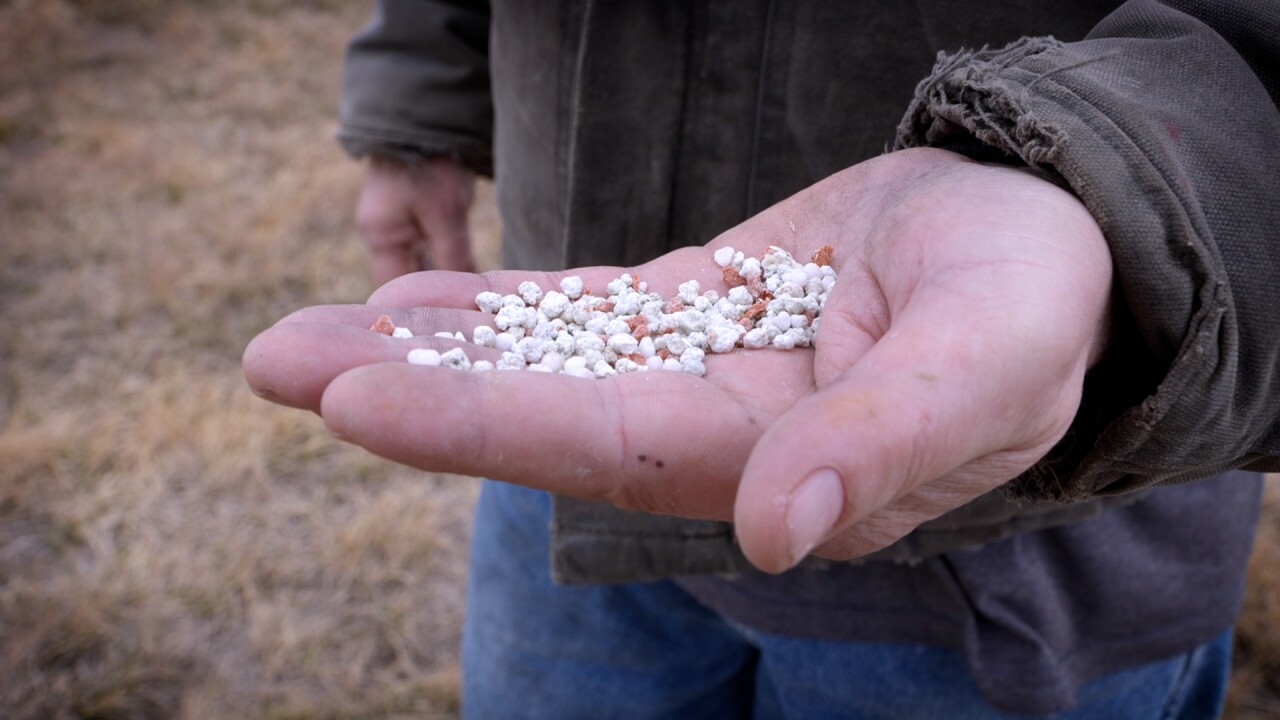
“Just this week, because of the war, fertilizer here locally is going to jump about $50 to $55 a ton,” Somerfeld said. “So it’s going to be up over seven hundred dollars for urea.”
Urea is one of the most commonly used nitrogen fertilizers for crops such as wheat and barley, making it a key input for many farmers across Montana.
Somerfeld says the current price surge is building on pressures that were already developing before the conflict.
“That’s been a problem even before this started because of consolidation in the industry,” he said. “This is just making it worse.”
Part of the concern centers on global shipping routes. A large portion of the world’s fertilizer supply moves through the Strait of Hormuz, a narrow waterway between Iran and Oman that connects the Persian Gulf to international shipping.
According to UN Trade and Development, UNCTAD, roughly one-quarter to one-third of globally traded fertilizer, including key nitrogen products like urea and ammonia, passes through that corridor.
Because several major fertilizer-producing countries in the Middle East export through that route, any disruption to shipping can quickly tighten global supplies and drive prices higher.
The global nature of agriculture means events overseas can quickly influence costs for producers in Montana.
“Any more, the U.S. is kind of a smaller player, even as big as we think we are in agriculture,” Somerfeld said. “India, China, and Brazil are major players, so when things like this happen globally, they get top billing.”
For farmers, rising fertilizer costs can directly affect how they plan their crops and manage inputs during the growing season.
“With it being dry and fertilizer costs high, you’re probably going to see guys cut back on fertilizer use just because of the cost,” Somerfeld said.
Somerfeld said that this new pressure on prices, due in part to the conflict involving Iran, just builds off of the inflation many farmers have faced in previous years. Meaning many producers have already taken measures to reduce costs late last year when making planting decisions.
“I already last fall decided to go with lower fertilizer use crops like barley versus spring wheat,” he said.
Along with higher prices, supply availability could also become a concern if global shipping disruptions continue.
“If you don’t speak for it early and pre-buy it, you may not get it,” Somerfeld said.
Somerfeld says the biggest challenge for farmers right now is uncertainty, as global markets react to both geopolitical tensions and trade policies.
“The big thing right now is uncertainty,” he said. “Whether it’s tariffs or ships moving through the Gulf, that uncertainty is driving the costs higher.”
