

BILLINGS — A proposed battery energy storage facility in Yellowstone County could mark another major step in Montana’s energy landscape as power demand rises alongside large-scale development projects.
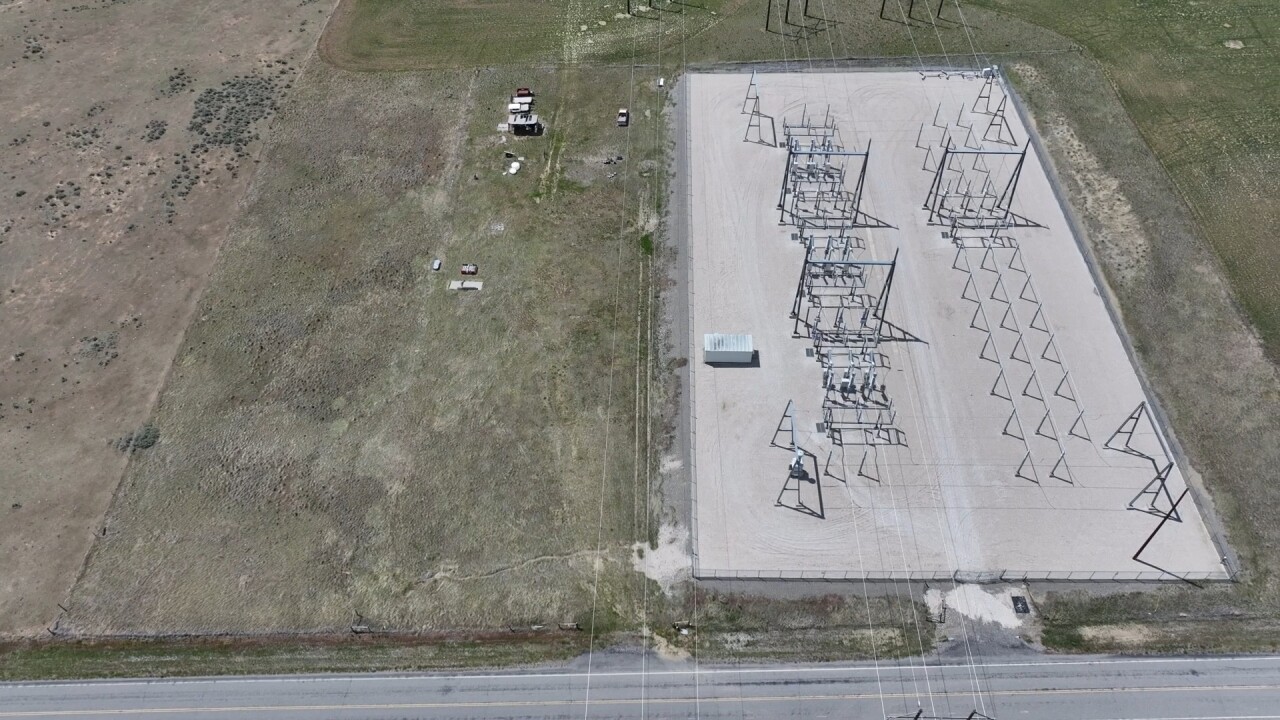
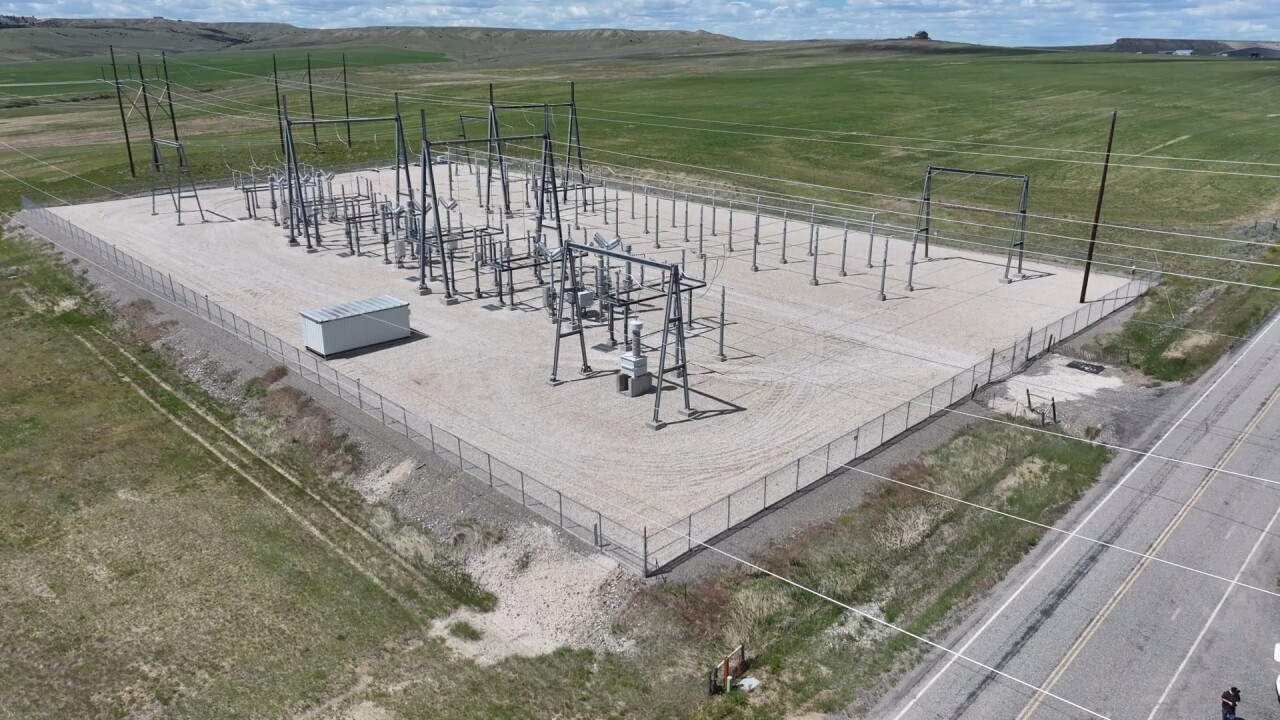
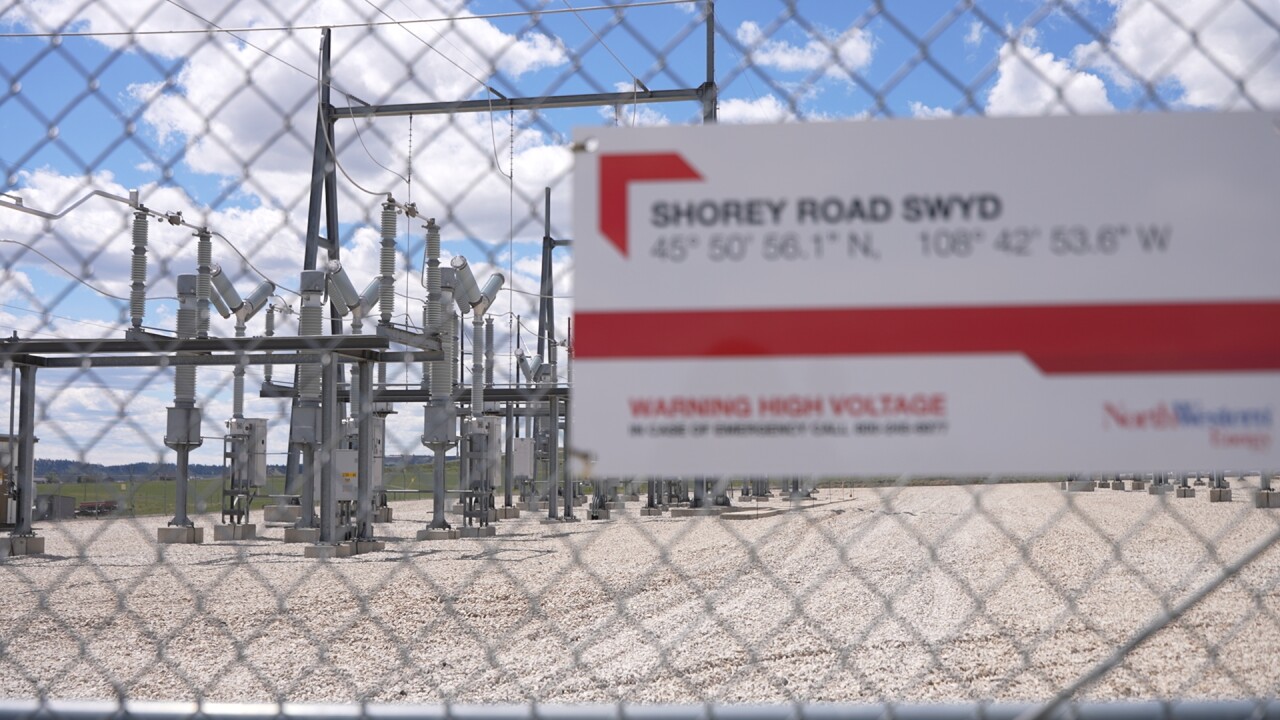
Representatives from NextEra Energy introduced plans at Thursday's Yellowstone County commissioners' meeting for the proposed McFarland Energy Storage Project, a battery storage facility that would be built near the NorthWestern Energy substation off Shorey Road, about 10 miles northwest of Billings.
Learn more about the proposed energy project:
County Commissioner Mark Morse said the project would occupy roughly 10 acres, if approved, and is still in the early stages of development.
“It didn’t sound like they were looking to build today,” Morse said in an interview. “It sounded like they just wanted to tell us they were here in town, they had taken an option on some land, and that they were, in the future, looking to build this battery unit for it to be operational in the 2030 timeframe.”
The project also arrives amid plans for a proposed artificial intelligence data center south of Broadview. Quantica Infrastructure has proposed building that facility on 5,000 acres. Company representatives told MTN News on Thursday that the battery storage proposal is not connected to the data center project.
Related: Proposed AI data center near Broadview could use natural gas as a power source

In a statement to MTN News, a representative from NextEra Energy said the proposed project is intended to “support electric grid reliability, help meet growing energy demand, and deliver cost-effective energy solutions when electricity is needed most.”
Morse said company representatives indicated the facility would connect into the existing NorthWestern Energy substation on Shorey Road. He also said there were discussions about possible high-voltage transmission lines between substations in the area.
“The facts were few and far between today,” Morse said. “I don’t know that this is a for sure go.”
The proposed Yellowstone County facility would not be the first large-scale battery storage system in Montana. Earlier this year, the Glacier Battery System near Cut Bank became operational, becoming the first utility-scale battery storage project in the state. The facility can store enough electricity to power about 60,000 homes.
Related: Glacier Battery System powers up, boosting Montana’s energy reliability
“Montana is growing, our population’s growing. The grid is a fragile thing. When utility companies have the opportunity to store power, it helps relieve some stress off the grid," said Justice Graham, CEO of YellowBall Roofing and Solar in Billings.
Graham said battery storage systems commonly use large lithium-ion batteries housed inside container-like structures. The systems store electricity generated during lower-demand periods and release it back to the grid when demand rises.
"Homes that have solar, when they overproduce, it's a place for either utilities or private held companies to store that power rather than sending it all over the place," he said. “It's just less wear and tear on the grid.”
Graham said battery storage systems typically hold renewable energy,
While Graham said he was unsure of how this project would specifically operate, he did see the proposal as an overall positive, especially during outages.

“That’s a huge benefit. Nobody likes losing power,” he said.
He added that battery systems can also create financial opportunities by purchasing and storing electricity when costs are lower and reselling it during periods of high demand.
Still, questions remain about how projects like the McFarland facility could affect agricultural land use and rural communities.
“Some people are going to be sensitive to that,” Graham said, referring to the possibility of converting farmland into energy infrastructure. “As far as like spillage or fires or anything like that, maybe 40 years ago, but in 2026, they’re all relatively safe.”
For now, Morse emphasized that the proposal remains preliminary, with years of planning and permitting likely ahead before construction could begin.