


BILLINGS — A suspected plague outbreak may be behind a sharp drop in prairie dogs on state land near Billings, but wildlife officials say the disease is a known and recurring threat to these colonies and not a cause for widespread alarm.
Learn more about the disease here:
Hikers near the Indian Cliffs subdivision off Highway 3 have recently noticed a significant decline in prairie dogs on the state land. Larissa McPheeters, who enjoys walking the area with her son and dog, said the change was immediately noticeable.
"I thought it was unusual, because normally I hear all the chipping from the prairie dogs, and there was hardly any," McPheeters said. "I was worried about (her dog) chasing them, but there wasn't hardly any to chase or to even listen to. I was surprised."

Chrissy Webb, Montana Fish, Wildlife, and Parks Communication and Education Manager for Region 5, said the die-off is consistent with what is commonly known as sylvatic plague, the same disease historically associated with the Black Death, and that it is something FWP regularly encounters.
"Prairie dog colonies can get hit with plague," Webb said. "It might sound shocking to some folks, but it is sort of a normal part that can be in a prairie dog colony's life cycle."
According to Webb, fleas are the primary carrier. Once infected fleas enter a prairie dog colony, the disease can spread rapidly and kill large numbers of animals.
"These fleas can get into a colony and transfer from prairie dogs, especially in this situation," Webb said.
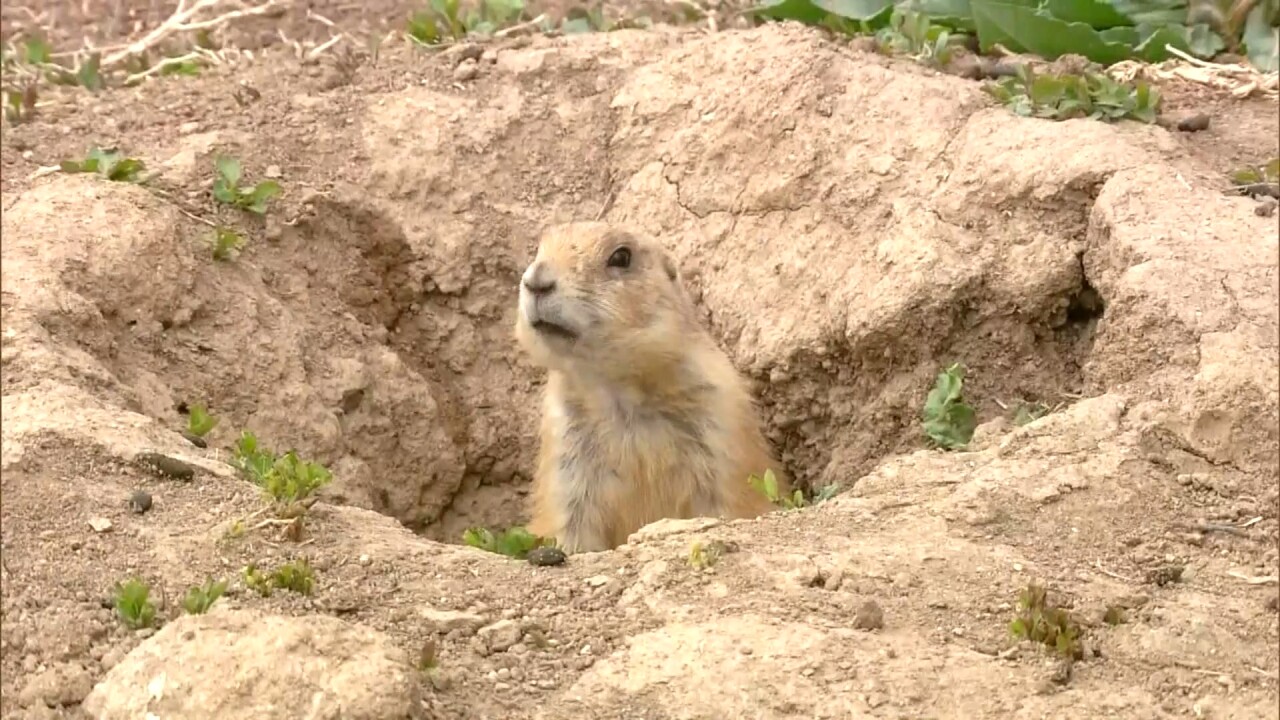
FWP has not yet confirmed through testing that this specific colony is dealing with plague, though the agency has monitored the area in years prior, as well as a field near Skyview High School.
Despite those losses, prairie dog colonies often recover over time and repopulate affected areas, Webb said.
Although the disease can affect other mammals, wildlife officials emphasize that the risk to the general public remains low.
"Fleas usually stay pretty close to their host, so you would have to be in pretty close proximity to a prairie dog to really be susceptible to this," Webb said.
Still, Webb encourages people to take precautions when visiting areas inhabited by prairie dogs. Hikers should avoid handling live or dead animals, consider using insect repellent, and wear long sleeves and pants while outdoors.
Pet owners should also keep dogs away from prairie dogs and carcasses, which could potentially expose animals to disease.
"Canines are typically a little less susceptible to this than members of our feline family," Webb said. "If you're walking your dog in an area with prairie dogs, regardless of if there's a case of plague going around or not, just try to keep your dog away from the prairie dogs. Make sure they aren't chewing on dead or live prairie dogs."

Webb also reminded pet owners to keep vaccinations up to date.
McPheeters said the news is something she will keep in mind on future walks.
"I would be concerned, especially since we're in training, I don't want (the dog) to go up and contract something that would give her any sort of disease," she said.
FWP encourages the public to report any unusual wildlife activity and emphasizes that the situation should not cause widespread concern.
"For the general public, it shouldn't be a huge concern for them," said Webb. "We do want to emphasize not to handle live or dead animals, and if you do, if you're a trapper, just taking precautions with correct protective equipment."
For more information from Montana FWP, click here.
