


HARDIN— Crews began planting 6,500 ponderosa pine trees on 125 acres of wildfire-ridden land near Hardin Wednesday morning.
Seattle-based Mast Reforestation is taking charge of the project, planning to finish planting by the end of the day Thursday.
Watch the report:
“We're hoping to put some native ponderosa pine back onto the landscape,” said Julian Yuh Coleman, Mast Reforestation senior forester.
“Some planters usually plant 1,800 a day, 1,500,” said Carlos Escobar, who brought crews from his company, Carlos Reforestation.
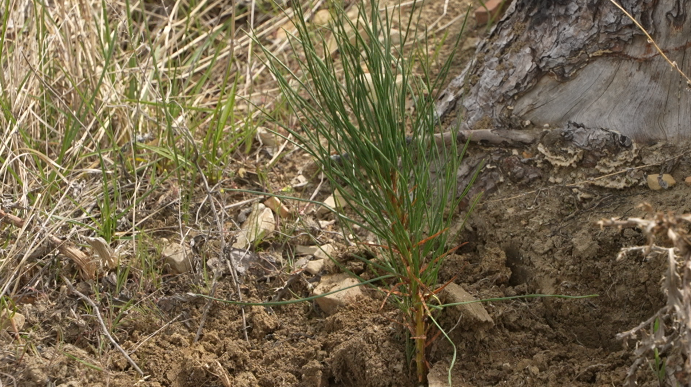
The planting is part of a larger effort to restore land burned in the Poverty Flats Fire in July of 2021.
The fire burned 75,000 acres of land, including Velma and Rebecca Gentry’s ranch.
Related: Type II fire team takes over Poverty Flats Fire in Big Horn County
“It was very, very hot and dry. And in 12 hours from the time it started, it was at my house,” recalled Velma.
“It's just this permeating burn, the smell of burn. The sky is dark (with) smoke. It was a very hard time to be here, and anyone who has to go through a fire, it's a really hard time to go through,” said Rebecca.
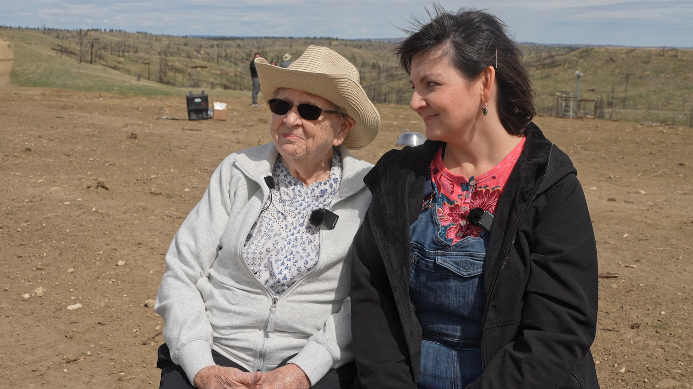
Rebecca said she reached out to Mast Reforestation, a company that removes burnt material and reforests land after fires.
In June, the company coordinated the burial of tons of burned trees on the property to prevent additional carbon emissions. The process is called a biomass burial.
Related: Montana Ag Network: Biomass burial helps restore ranch land in Big Horn County
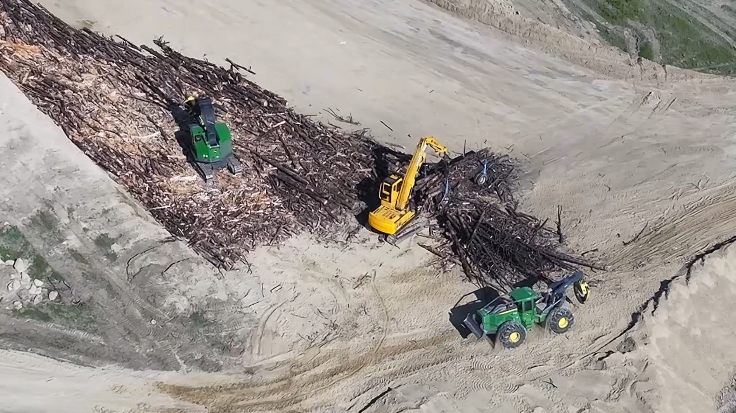
“Biomass burial is basically a quicker way of taking carbon that's already stored in wood and storing it for a very long time. It's already out of the atmosphere, and it's not going to go back into the atmosphere,” said Bill Layton, Mast Reforestation senior developer of carbon project development.
The team is continuing to monitor the burial site less than a year later, collecting gas samples emitted from the buried trees to test their impact on the environment.

“We're collecting gases so that we can measure the carbon storage efficiency of the engineered wood burial site that we have here,” said Tiffani Manteuffel-Ross, technical manager.
The land restoration is funded through carbon credits, which are paid for by companies seeking to reduce their carbon footprint.
The whole process, from the biomass burial to the tree planting, is a victory for the Gentries.
“Today is the culmination of nearly five years of a lot of hard work. I've been putting all my efforts towards the comeback of our ranch,” said Rebecca.

“I hope that we have good weather (so) that they can grow up… and more people can come back and see these trees sometime,” said Velma.
Mast Reforestation is looking to restore other properties damaged by wildfire. There is no cost to the landowner.
“If they're piling and potentially going to burn those piles, then we'd love to talk because we can bury that material. And really after burial is complete, we reset the landscape back to how it was,” said Manteuffel-Ross.
For more details on how landowners can restore their land through Mast Reforestation, click here.
