


BILLINGS — A citizen police advisory board created in the aftermath of George Floyd’s death and nationwide protests over policing could soon be eliminated as Billings city leaders push to streamline government committees.
The Billings City Council is considering dissolving the Citizen Police Advisory Board, a volunteer panel established in 2021 to improve communication between law enforcement and residents. Supporters of the board argue it has strengthened transparency and trust between the community and police, while some city officials say the board is no longer necessary.
Listen to each side below:
The debate comes six years after Floyd, a Black man, died when a Minneapolis police officer knelt on his neck for more than nine minutes. His death sparked widespread protests across the country and prompted many cities, including Billings, to examine police practices and community oversight.
The Billings board was formed during that period of heightened concern about policing and accountability. Former member Penny Ronning first proposed the idea, and the City Council later approved a resolution establishing the board.
Chair Kari Boiter said the group was designed to create a structured line of communication between residents and the police department.
“This was really in 2020 at the height of the COVID pandemic and when a lot of the country was concerned about what was going on with George Floyd,” Boiter said. “At that time, our Billings Police Department was ninth per capita for deadly police shootings in the country.”
The board meets once a month and focuses on four areas: recruitment and retention, crime prevention and diversion, community engagement, and data analysis.
The board currently has four members: Boiter, original members Joe Stout and Denise Boggio, and newer member Jordan Webber. All members are appointed by the City Council.
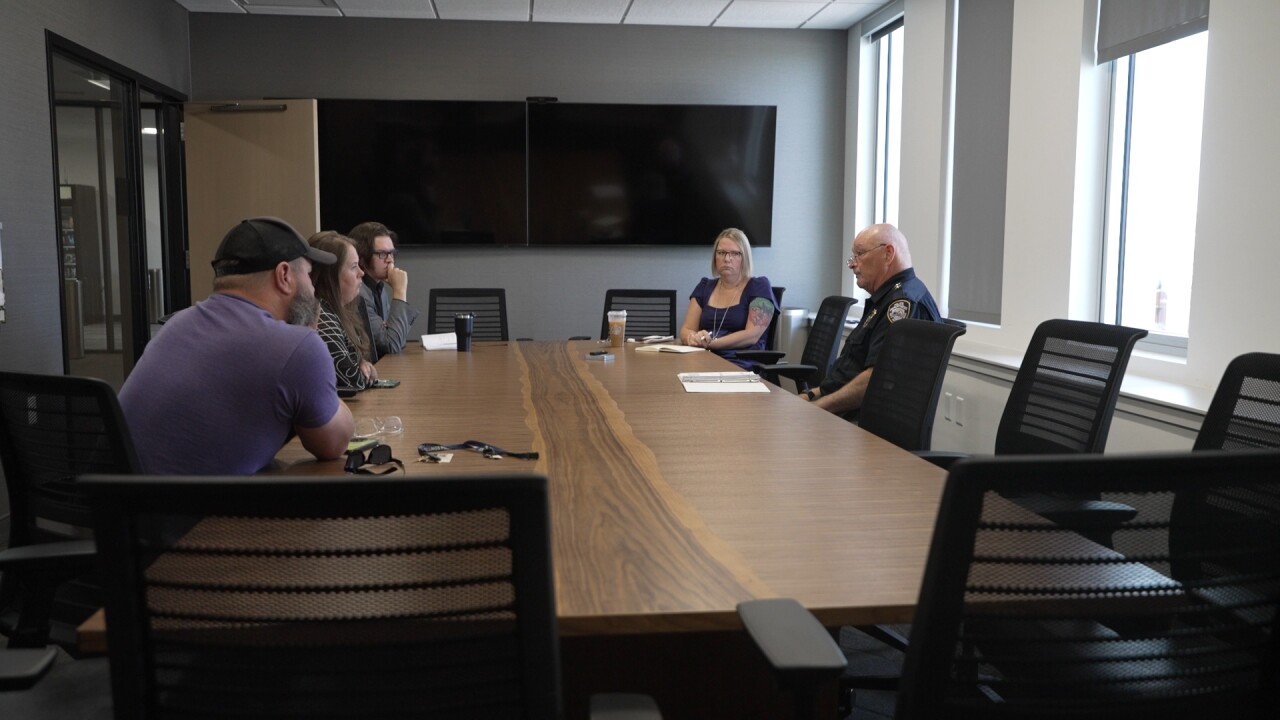
Members say the board has allowed citizens to discuss concerns directly with police leadership rather than relying on public comment periods at council meetings.
“I think everybody should feel like they have a voice,” said Boggio, a domestic violence survivor and facilitator at Yellowstone County Self-Help Law Center. "A lot of our people who are going through domestic violence situations oftentimes don't have a voice, so sometimes those of us who are able to come and actually speak on some of the stuff that is going on, it helps. It shows them that, hey, there are people out there like me."
Webber, who described himself as the board’s data and analysis expert, said the group has tried to provide objective recommendations to both police and city leaders.
“We’re still able to provide a more objective, higher-level view and insights and make recommendations and suggestions to the police and to city council,” Webber said.
Boggio says the group helped bring more community service officers to the city and has also given the public more direct communication with the chief, rather than waiting for a response or being limited to several minutes of public comment.
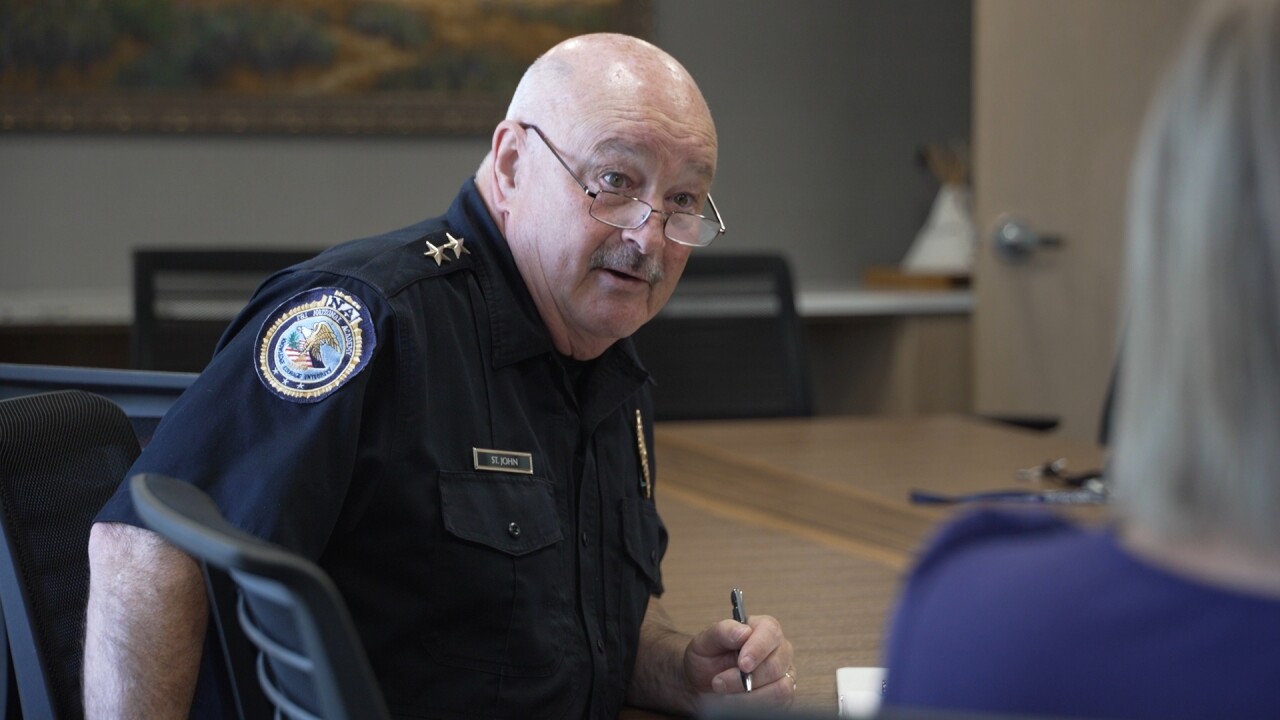
Police Chief Rich St. John delivered the council's recommendation during Thursday morning's meeting. In an interview, St. John also defended the board’s value, saying it has provided useful community feedback and outside expertise.
“I never pass up an opportunity to engage with the citizens, and the police advisory board is just that," he said. “It's a mechanism to report activities, to bounce ideas off of citizens, to really draw on expertise that are outside of law enforcement.”
St. John said he has never advocated for dissolving the board.
"I don't think it's a waste of time. They do provide value to me. I think they do provide value for the citizens and the council,” he said. "They have made some solid recommendations, and I think at the end of the day, because we've been at this for several years, is that they have really validated that what (the police department) have been doing, unilaterally, is on the right path."
City Council says the move is part of an effort to streamline Billings' 33 advisory boards. A recently formed "committee of committees" has been reviewing whether some groups should be consolidated or eliminated.
Ward 3 Councilman Bill Kennedy argues there are other ways for citizens to speak up, including through police academies, task forces, and direct outreach to officers. He says community members can also form their own independent group outside the city's jurisdiction.
“The chief, at any time, can keep an advisory board if he wants it. That's up to him," said Kennedy. “We're trying to make city government more efficient.”
Kennedy also argued that maintaining boards requires city staff time and resources.
“If you’re taking people out of their job and going to board meetings and all of this, they’re not doing what they should be doing and meeting the needs of what the taxpayers are paying for,” he said.
Board members, however, argue that removing the panel would weaken public access and reduce formal dialogue between residents and city leaders.
“What we’ve done is build a wall of bureaucracy between citizens and the decision makers,” Boiter said. "This was an avenue to really be conscientious and thoughtful in how we offer input, and what we've done is we've removed that, and we're now going back to where we can give input in public comment only."
The Council reinstated the board last year after the four-year term needed to be renewed. Three of the seven members chose to step away, but the Council later chose not to fill those three vacant seats. The board can meet a quorum with four members, as long as all members are present.
Boiter said six applicants had sought appointment to those openings.
Kennedy defended the decision not to appoint additional members while the review was underway.
“Why would you appoint a person when you’re looking at review of that council or advisory board?” he said. "To get up and say, 'Oh, this is so efficient and you're doing away with something,' most of the people in the community have no idea these boards even exist.”
While Kennedy says board members can still make recommendations and comments as individuals at public meetings, Boiter says they already do that, and that the Council has not engaged with them directly.
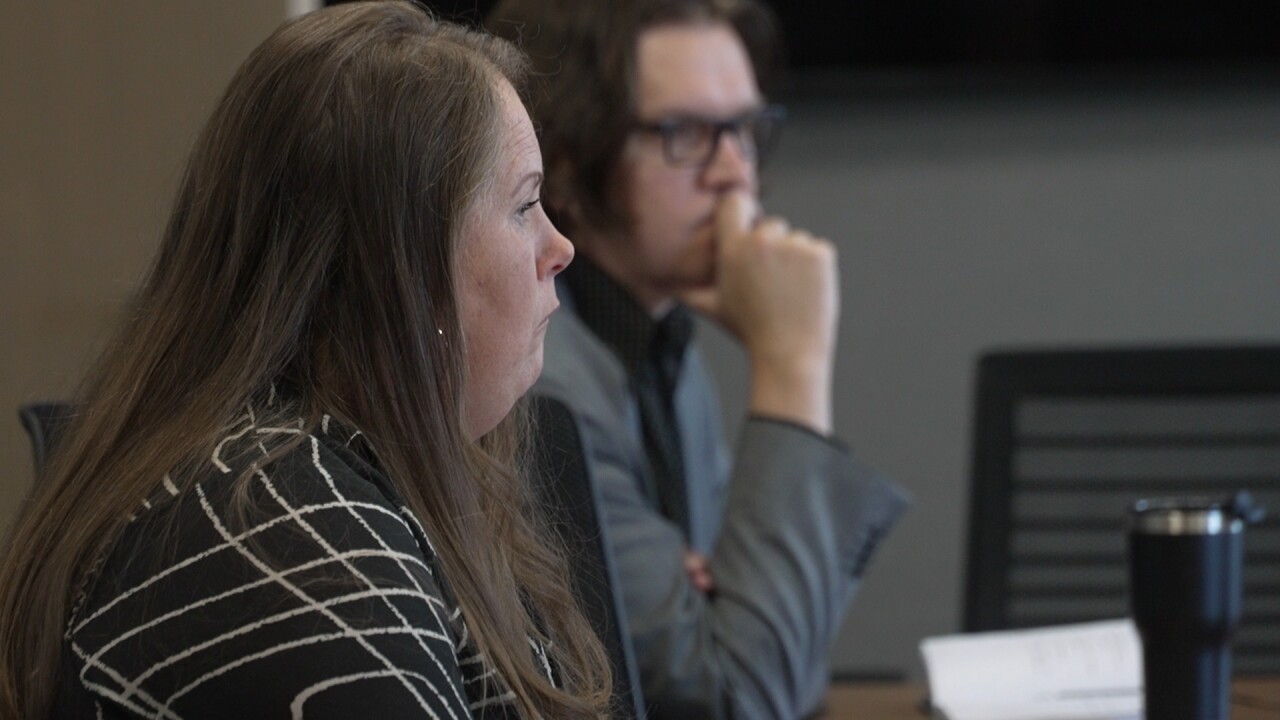
Webber warned that dissolving the board could damage community trust.
“This was a potential touch point between community and the police department to help foster trust in Billings law enforcement,” he said. “And we’re losing it.”
Mayor Mike Nelson and the council would have to vote on a resolution to eliminate the board. Until then, board members say they hope their work continues.
"I'm sorry if people had their feelings hurt or whatever, but efficiency is hopefully where we're going to and spending the tax dollars the way they should be," Kennedy said.
"It's a representative democracy. Their job is to represent us, the constituents, not the other way around," said Boiter. "And we shouldn't have to fight for a place at the table to do that."
