


Divers are working to clear a clogged water intake on the Yellowstone River that serves the city of Laurel.
Watch the full story below:
The 10-year-old intake has been blocked by sticks, gravel, silt, and other debris for four months, restricting the flow of water to the city's water treatment plant. More than 120,000 Montana residents rely on the Yellowstone River for their drinking water, according to a 2022 report from the City of Billings.
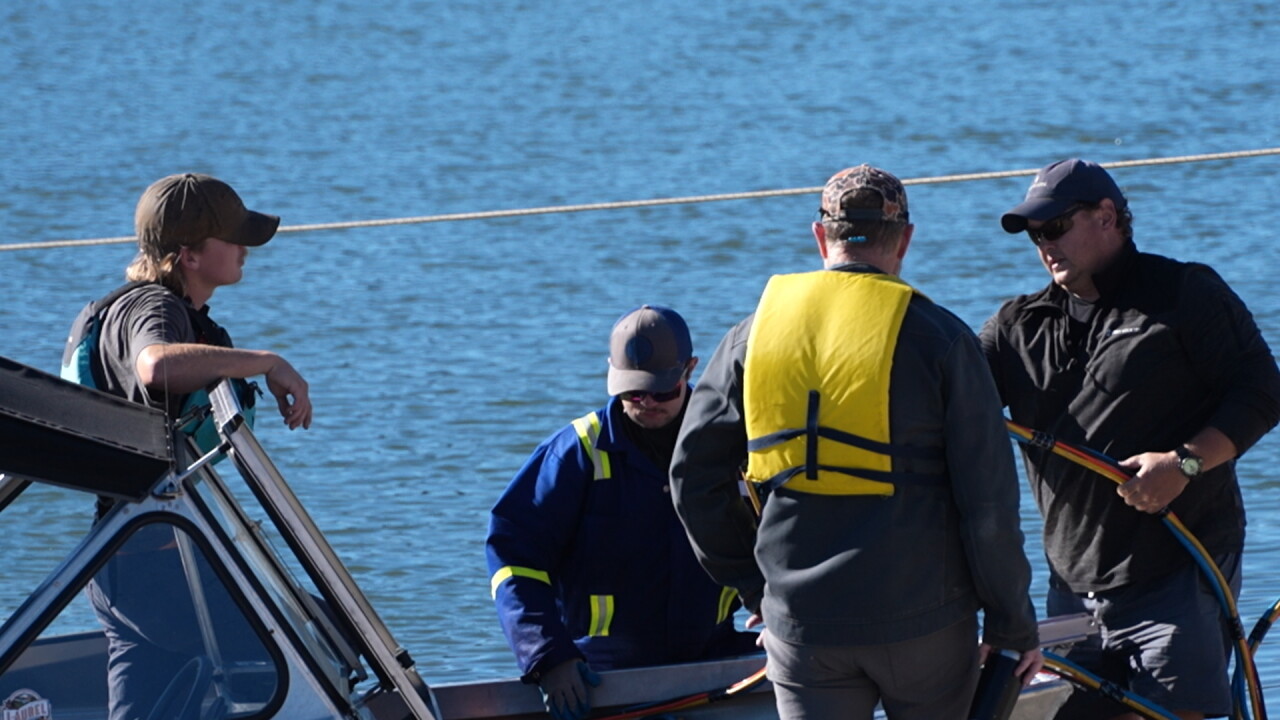
Jason Fowler, the owner of Montana Tank Inspection Service out of Helena, described what his staff of divers found inside the intake.
"He's jetting out just mud and sticks...and debris," Fowler said.
Fowler explained the extent of the blockage and the challenge of clearing it.
"He's just down there with a little hose with a blast of water just knocking stuff out because the windows have basically filled in the whole vault," Fowler said.
Laurel Mayor Kris Vogele said the intake has been unusable for months, an unprecedented situation for the city.
"Our intake hasn't worked properly for the last four months," Vogele said.
"This is the first time that it's gone completely down where we haven't been able to use it," Vogele said.
Vogele said the timeline for a fix is urgent.
"This will become a significant issue, if not an emergency, if it doesn't get taken care of by January," Vogele said.
The clogged intake comes as the city is already navigating concerns about water capacity, including questions tied to a new mental health facility in Laurel.
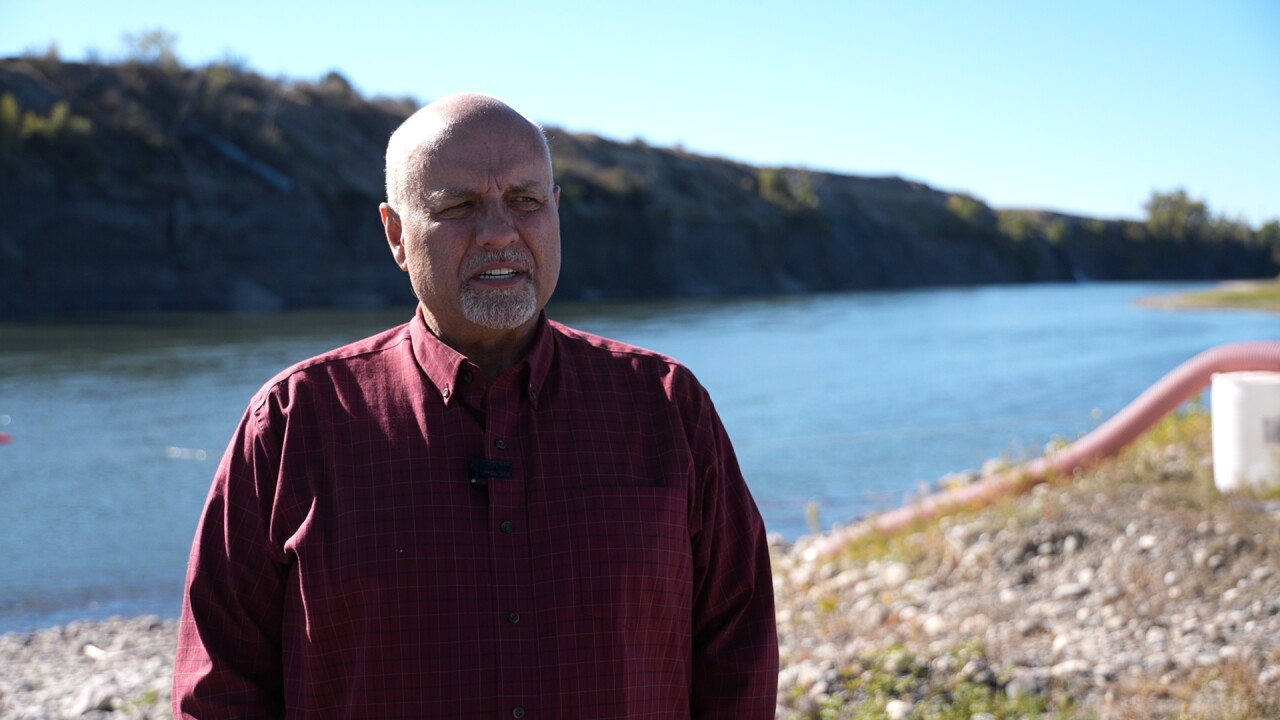
"They've surrounded our intake, and we're not able to pull water for the city from this intake," Vogele said.
For now, Vogele said residents do not need to worry about running out of water. The city is relying on an older, backup intake while a solution is developed, but that option carries its own risks heading into winter.
"We're utilizing our older intake, which is closer to our water treatment plant, which sometimes becomes inoperable in the months of January, February when we have too much ice. And so that's why this is critical right now," Vogele said.
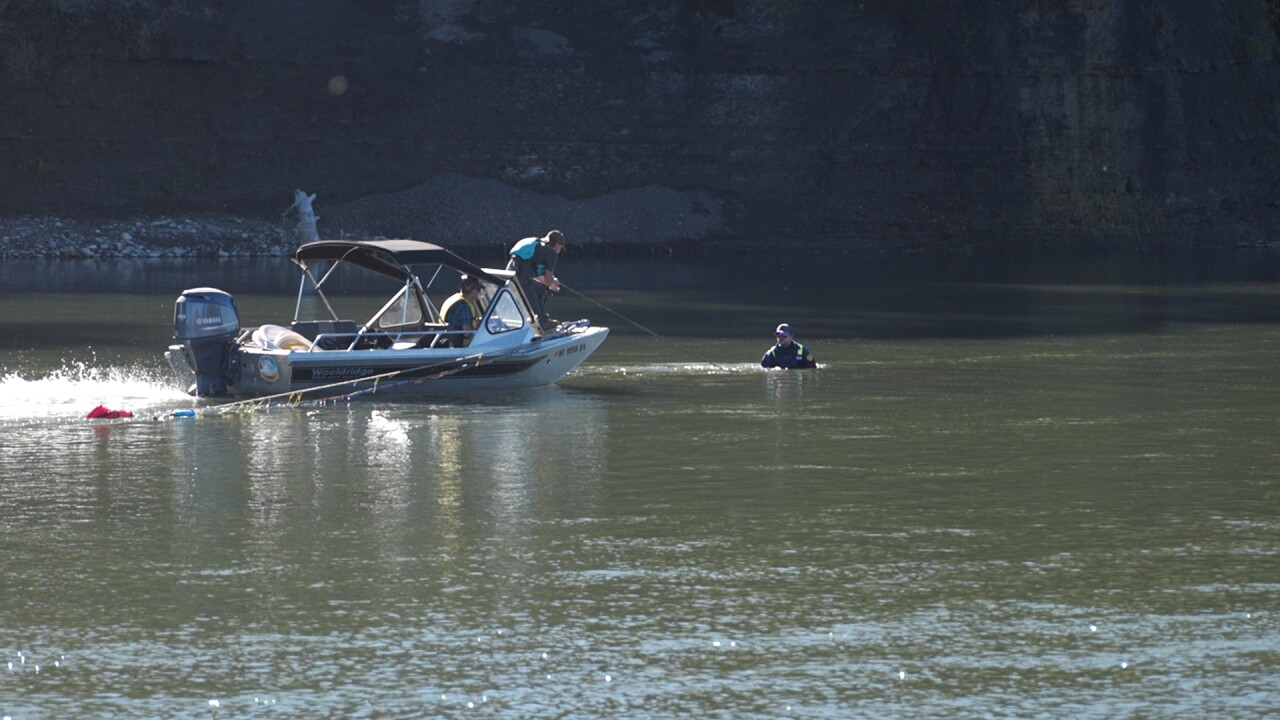
Tuesday's dive operation is expected to help engineers determine next steps.
"This is going to give us some data in order to fix it," Vogele said.
