


BILLINGS, Mont. — Crews are back in the Yellowstone River in Laurel, taking the next step in repairing one of the city's water intakes before winter ice adds another threat to the city's water supply.
See excavation work here:
Tuesday morning, an excavator is clearing sediment from around the concrete vaults, while divers open them to remove debris and inspect the screens on top of the intake for damage.
When divers inspected the intake in September, they found sediment and debris had built up around it, clogging the openings that allow river water to flow inside.
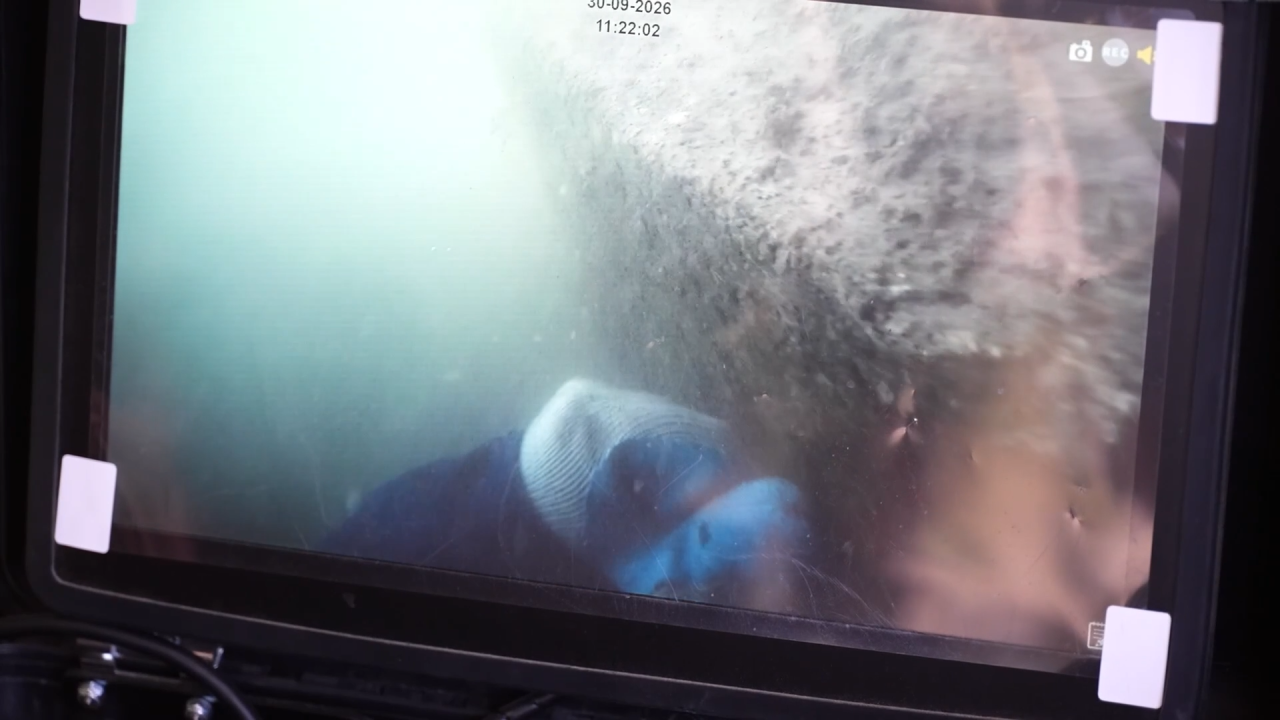
The intake has had problems on and off since April, leaving Laurel relying on one other intake to provide water to the city.
"Today we have an excavator from Ascot Construction and divers that will be going into the river," Laurel Mayor Kris Vogele said.
According to Vogele, the construction crews are taking the lids off the vaulting surrounding the intake manifold and the screens on the water intake.
"They're going to be assessing any damage and any remediation that needs to happen inside the vault with the silt, sediment and debris like sticks that have, rocks that have gone inside the vault," Vogele said.
The excavator is needed because the river bottom has risen all the way to the top of the intake as we move towards winter weather.
When the intake was first installed years ago, the river bottom sat about eight to nine feet below the top of it.
"The flood of 2022 brought in quite a bit of sediment. You can see by the banks over here that all was washed away during the flood," Vogele said.
The timing is critical. Based on current water levels, winter ice can clog the screens on the one intake Laurel is currently relying on, making it urgent to get this one operational again.
"We have to get it fixed, especially within the next three weeks before slush ice and frazil ice starts to form on the river," Vogele said.
The city's only intake in use right now sits down by the water plant, and it shuts down in the winter when frazil ice and slush ice clog its screens, making redundancy essential.
Crews have already found a break in the transmission line running from the intake underwater in the Yellowstone River to the water plant.
They're also replacing about 10 pressure and vacuum relief valves along the line.
Vogele said damaged screens would be a significant setback.
"That is a real concern of ours right now is if these screens are damaged there, [it] takes a while to get them and it's quite a process to get them off," Vogele said.
Now, the city is waiting to see what divers find inside the vault and whether the screens themselves will need repairs or replacement.
