

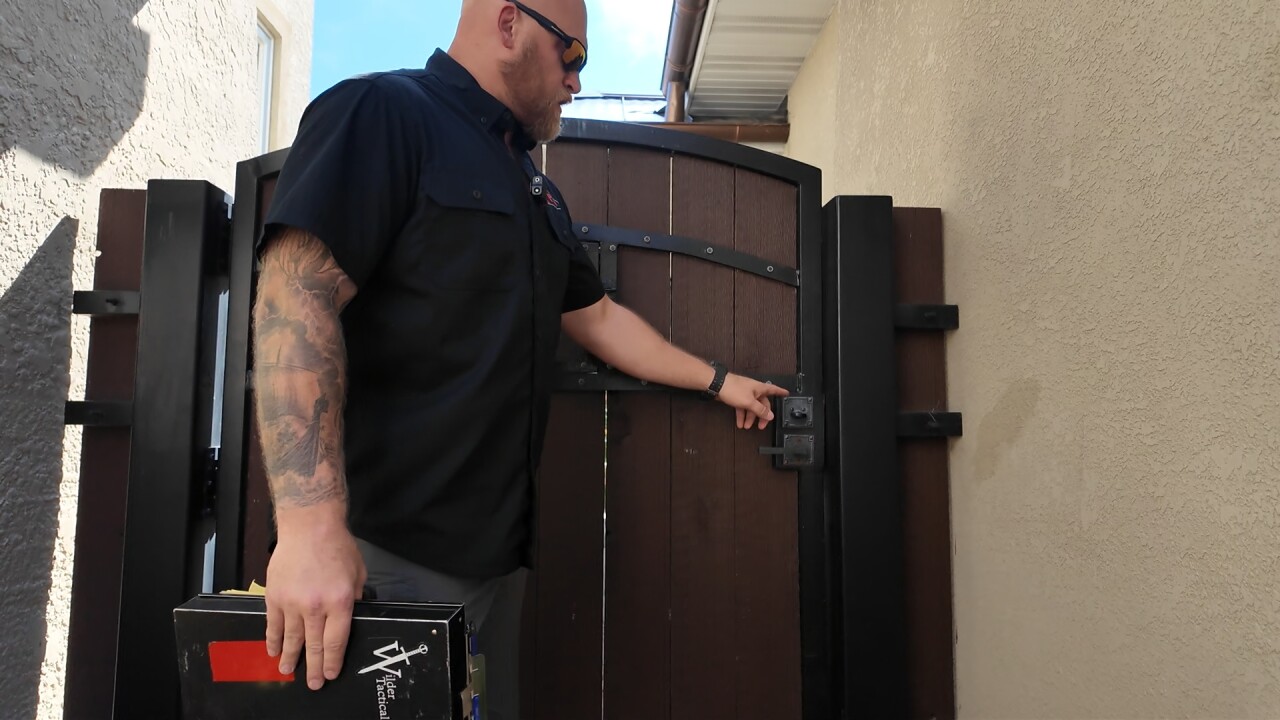


BILLINGS — After more than a decade working in law enforcement in Billings, Brett Hilde has spent years responding after crimes happen. Now, he's trying to prevent them from happening in the first place.
Learn more about protecting your home from a burglary:
Hilde, who has worked in plainclothes units, general investigations, and on his department's SWAT team, launched Primal Advancements in 2025, a security consulting business that performs residential and commercial security assessments. His goal is to identify vulnerabilities before they become opportunities for criminals.
"I've gotten to see kind of how the criminal mind works and what they do and how they think in terms of victimizing individuals at their properties,” Hilde said.
The idea came from a gap he kept noticing on the job.
“We generally show up after the crime has been committed,” he said. "I was seeing this missing link ... We do our best to be proactive in a sense, but we can only be so many places. My thought process went to, 'What can the civilian do to protect themselves? What can they do to protect their property?'"
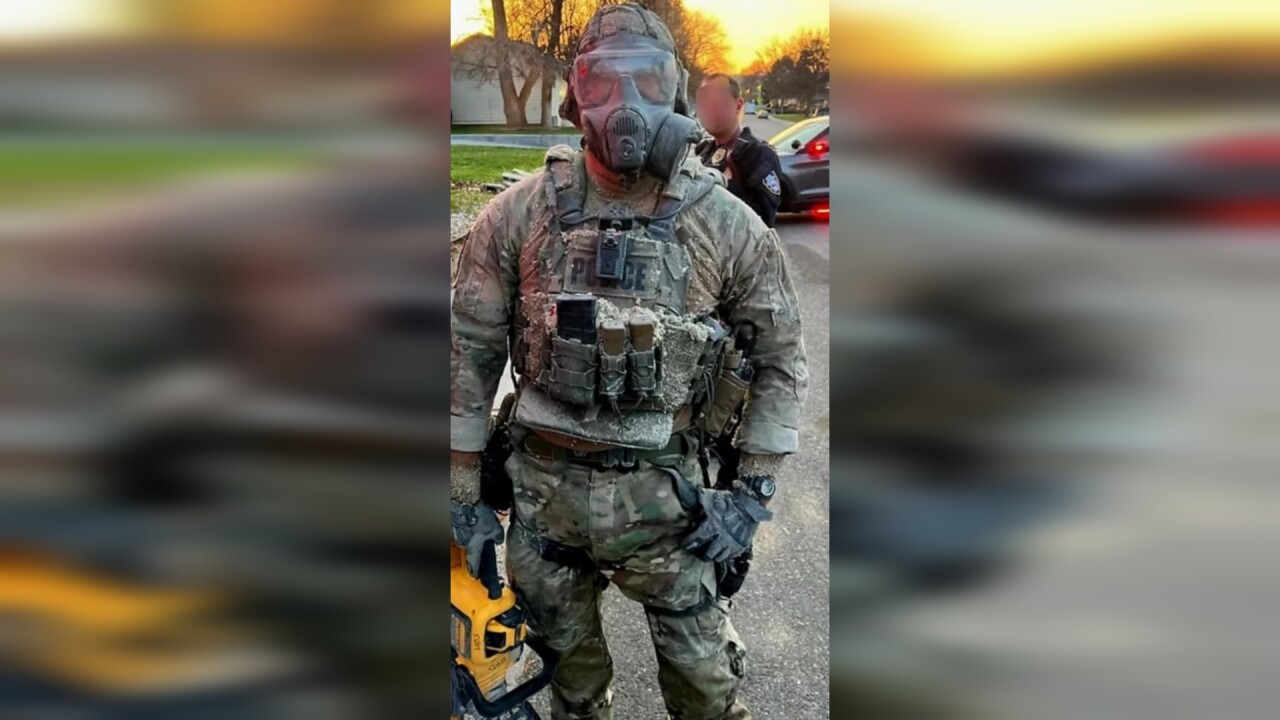
The business grew out of volunteer work he was already doing. Churches began asking him to review their security plans, audit volunteer security teams, and provide training based on his professional experience, often to help with grants or to ensure they weren't susceptible to hate crimes. As more organizations reached out, he realized homeowners and businesses could benefit from the same type of assessment.
“You'd be shocked when I go do these assessments, I find my way into people's homes. I find my way into their vehicles,” Hilde said.
Today, Primal Advancements offers security assessments for homes, businesses, and organizations, along with workplace security planning and active shooter preparedness training.

To guide those assessments, Hilde completed training in Crime Prevention Through Environmental Design, or CPTED, a nationally recognized approach that focuses on reducing crime through environmental design. He said he combines those principles with what he's learned throughout his law enforcement career.
“What I want to do is look at the property line and just kind of assess which one of the targets is the softest. Who are they going to go after?” Hilde said during a home assessment on Saturday.
During the assessment, Hilde immediately zeros in on what burglars notice first. He pointed out overgrown shrubs that could conceal someone from view, dark corners around entryways, and doors hidden from the street.
"From that angle, you can't really tell what I'm doing if I'm back here concealed, especially if it's dark,” he said.
He recommends following what's known as the "2-foot, 6-foot rule," keeping shrubs no higher than 2 feet and tree canopies trimmed up to at least 6 feet to eliminate hiding places. He also encourages homeowners to install bright, properly positioned lighting.

"The number one thing that you can do to prevent becoming a victim is your lighting," Hilde said. "Those are the two big things I notice: foliage and lighting."
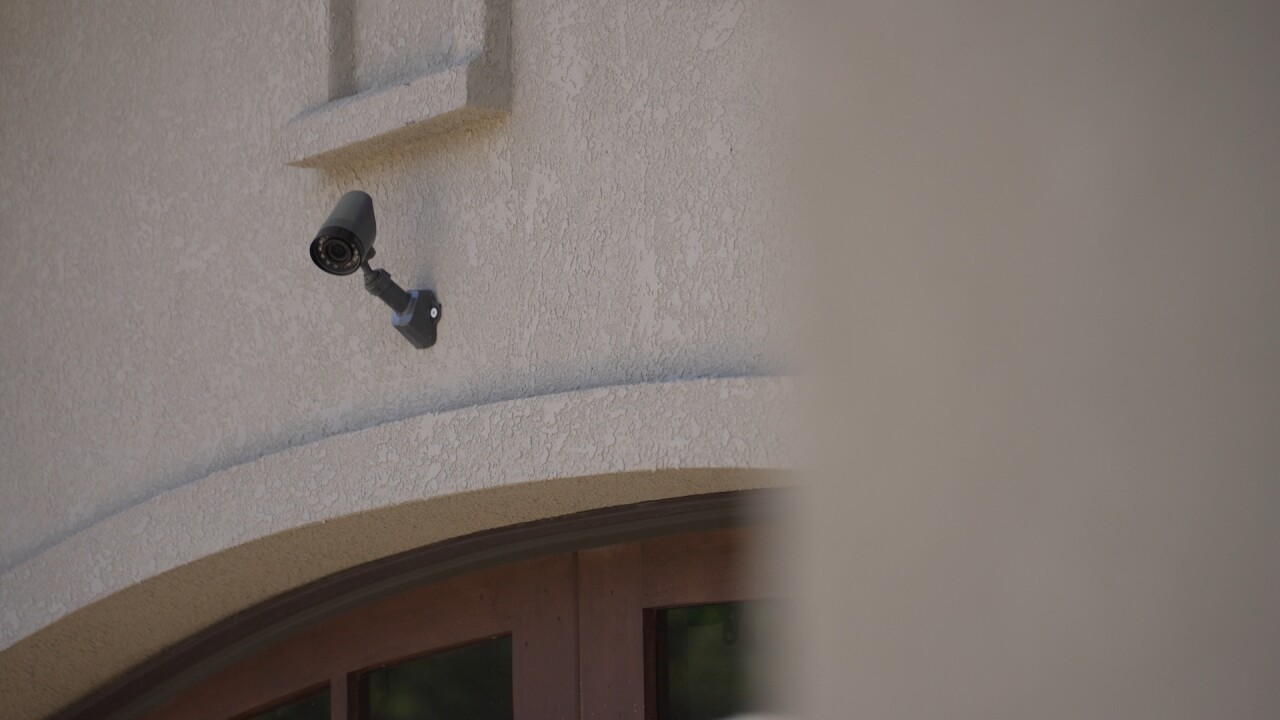
Visible security cameras, motion-activated lights, and clear security signage can also discourage criminals before they attempt to enter a property, he said.
While some security upgrades can be expensive, Hilde said many effective changes cost little or nothing.
"Everybody's budget's different," he said. "There are some very easy things you can do for very low dollar amounts."
According to the Billings Police Department's 2025 annual report, the city recorded 314 burglary and breaking-and-entering offenses. Overall property crime decreased 21% from 2024 to 2025, totaling 5,071 offenses. Nationally, U.S. Department of Justice data shows burglaries tend to increase around 10 to 11 percent during the summer months as more people travel and homes are left unattended.
He also encourages residents to avoid advertising when they'll be away. He recommends asking neighbors to watch the property, bringing trash cans in promptly after collection day, and avoiding leaving packaging for expensive purchases at the curb.

"The summer months, it's easier, right? It's nice out," Hilde said. "Talk to your neighbors. Let them know you're going to be out of town. Don't make it obvious."
Hilde says the goal isn't to make a home impossible to break into, rather to make it a less attractive target and buy valuable time if someone does try.
"Can you still get in? Yes," he said. "But the goal with a lot of these target hardening strategies is to buy time."
For Hilde, the work is personal as much as professional.
"I have a family at home too," he said. "I want them to feel safe, and I want myself to have that feeling of comfort that they're safe at home."
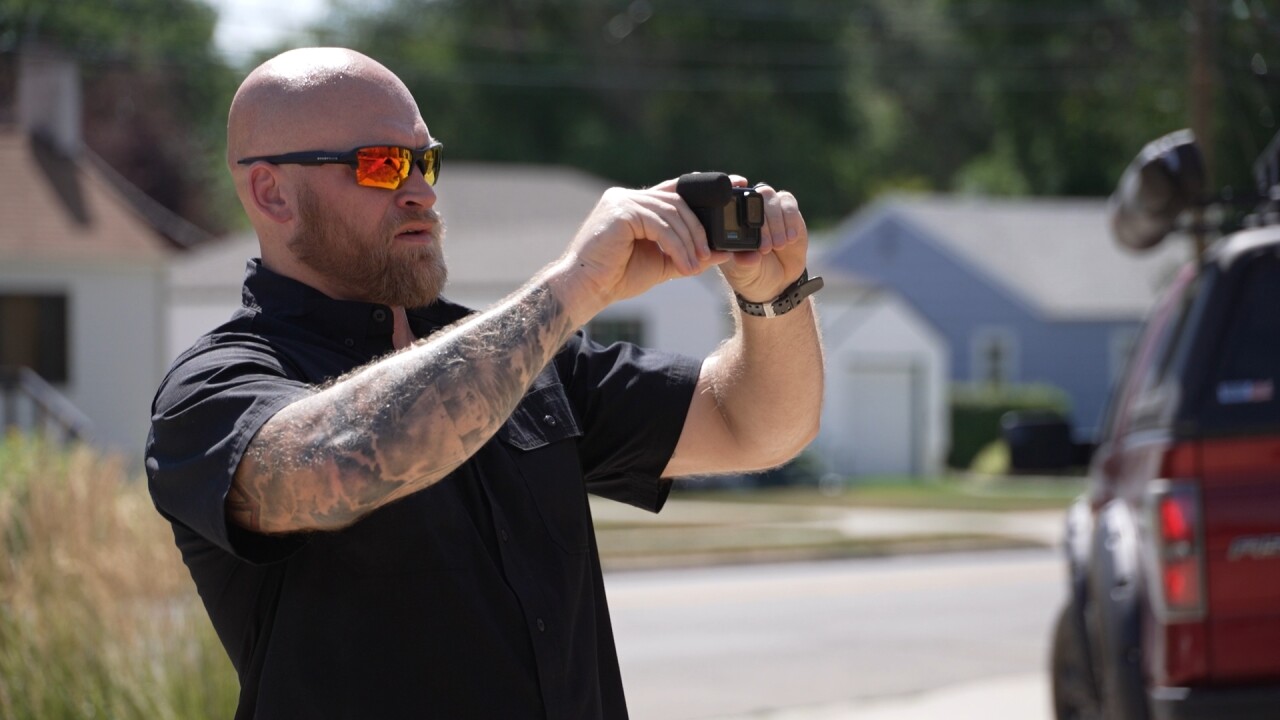
For Hilde, that's the bigger mission, and he hopes to keep the community he serves safe.
"I'm not just a cop who's coming in and telling you to do things. I took the time to learn," Hilde said. "There's things we can do there that aren't just a traditional, 'go buy a gun.' That's not always the answer. There's things we can do to protect ourselves, and I think that's important.”
To learn more, click here.
