

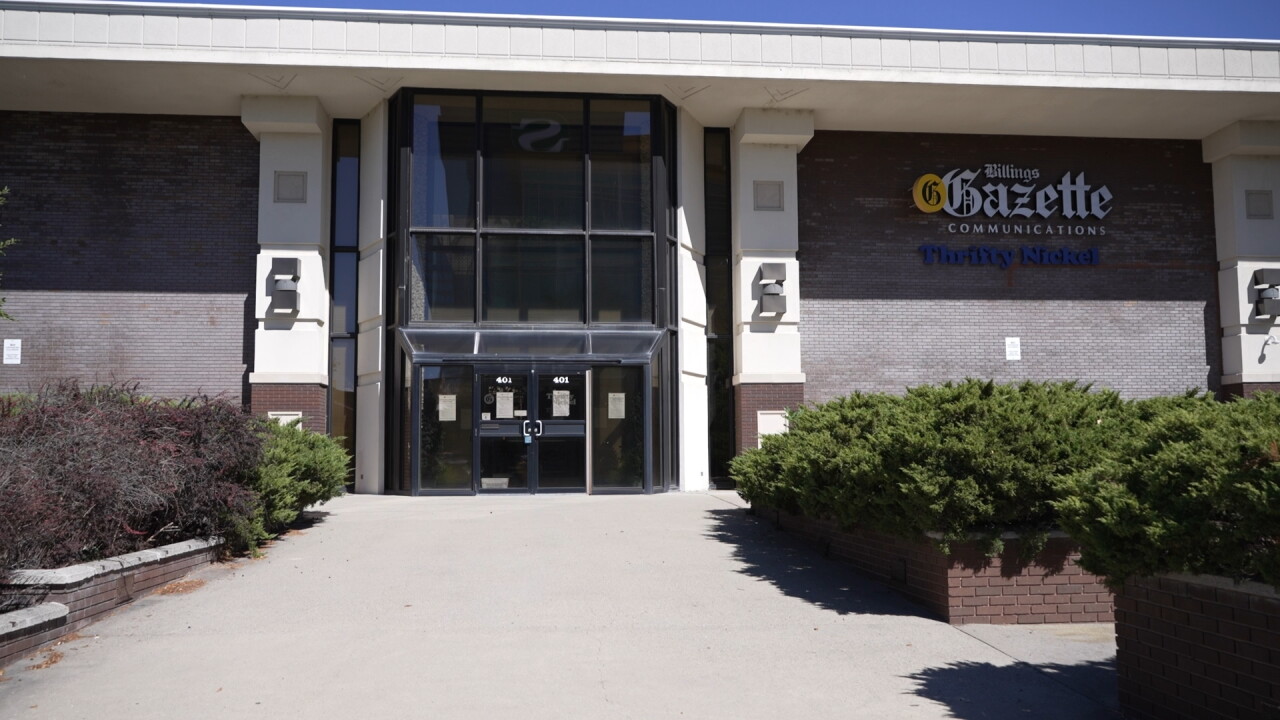


BILLINGS — The building is quiet now, but for decades, it was anything but.
The newsroom at 401 N. Broadway was once filled with reporters, editors, photographers, and staff working around the clock to put the next edition of the Billings Gazette in the hands of readers across Montana.
Watch the full story below:
Now, after 57 years, the Gazette is leaving. The newspaper announced this week that it will move its operations from its longtime Broadway location to Granite Tower at 222 N. 32nd St., just across the street from the Q2 newsroom.
The move comes as the newspaper industry and the Gazette itself have changed dramatically. The Gazette stopped printing in Billings last year, moving its printing operation to Bozeman. The Broadway building was put up for auction in July and has since been sold.
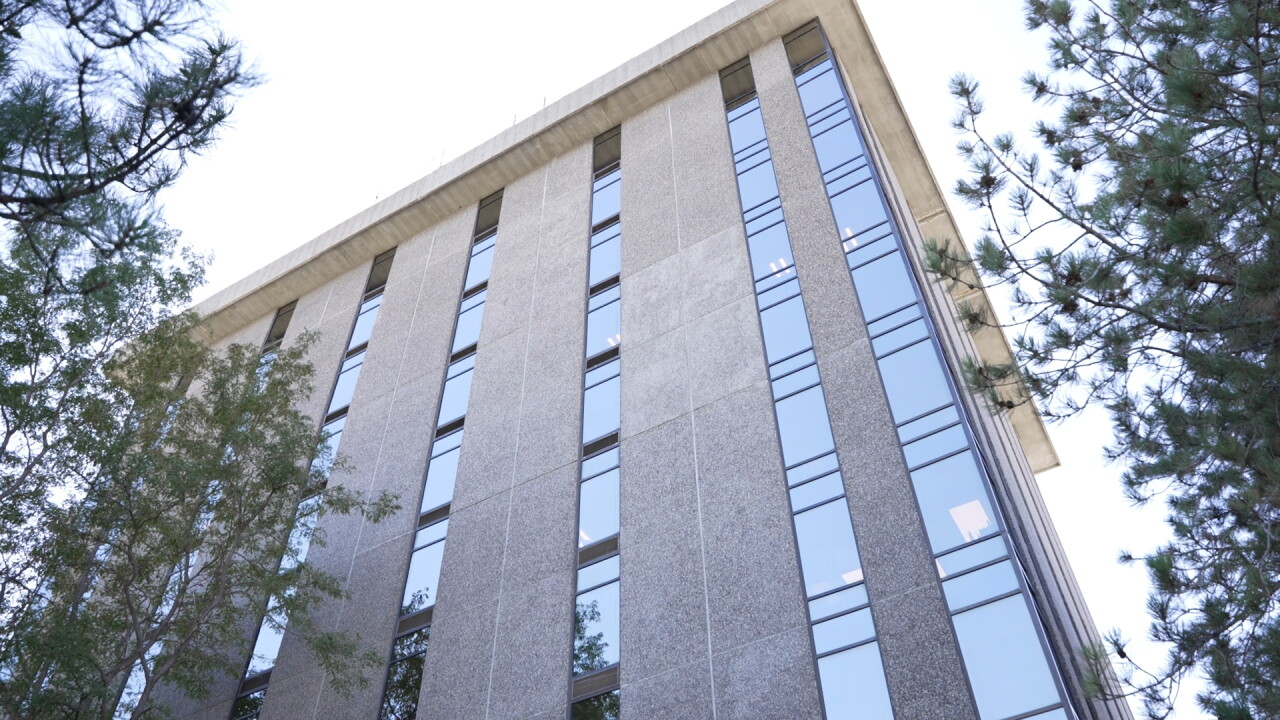
For former and current employees, the building represents more than a workplace.
“The building is just a building,” said Dan Carter, a former Gazette managing editor. “The thing that made it memorable to me is the people.”
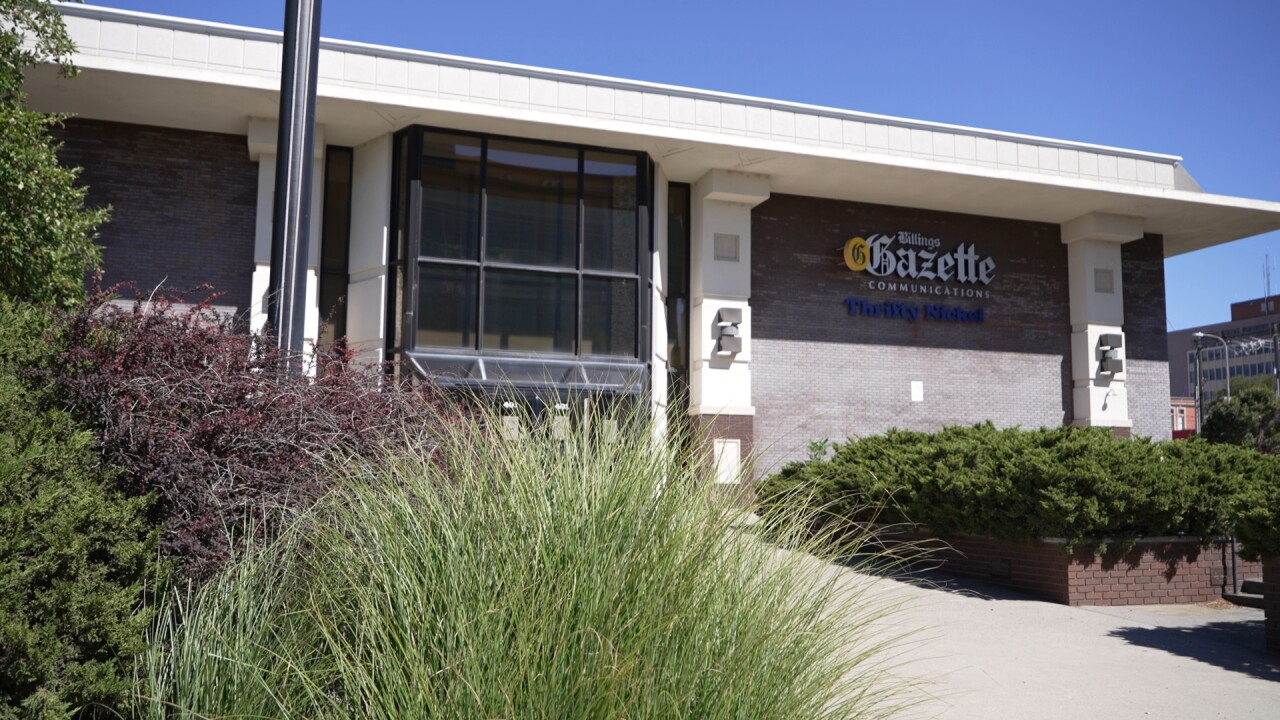
The Broadway building was constructed specifically for the Gazette in 1968, according to longtime Gazette outdoor editor Brett French.
“This place was pretty special because it was dedicated to the Gazette,” French said. "All the dignitaries showed up, and they had a rabbi give a prayer and everything, so it was a big deal."
French has spent 27 years at the newspaper. He arrived in 1999 as a copy editor and said the newsroom was a busy place.
“I couldn’t ask for a better place to come,” he said.
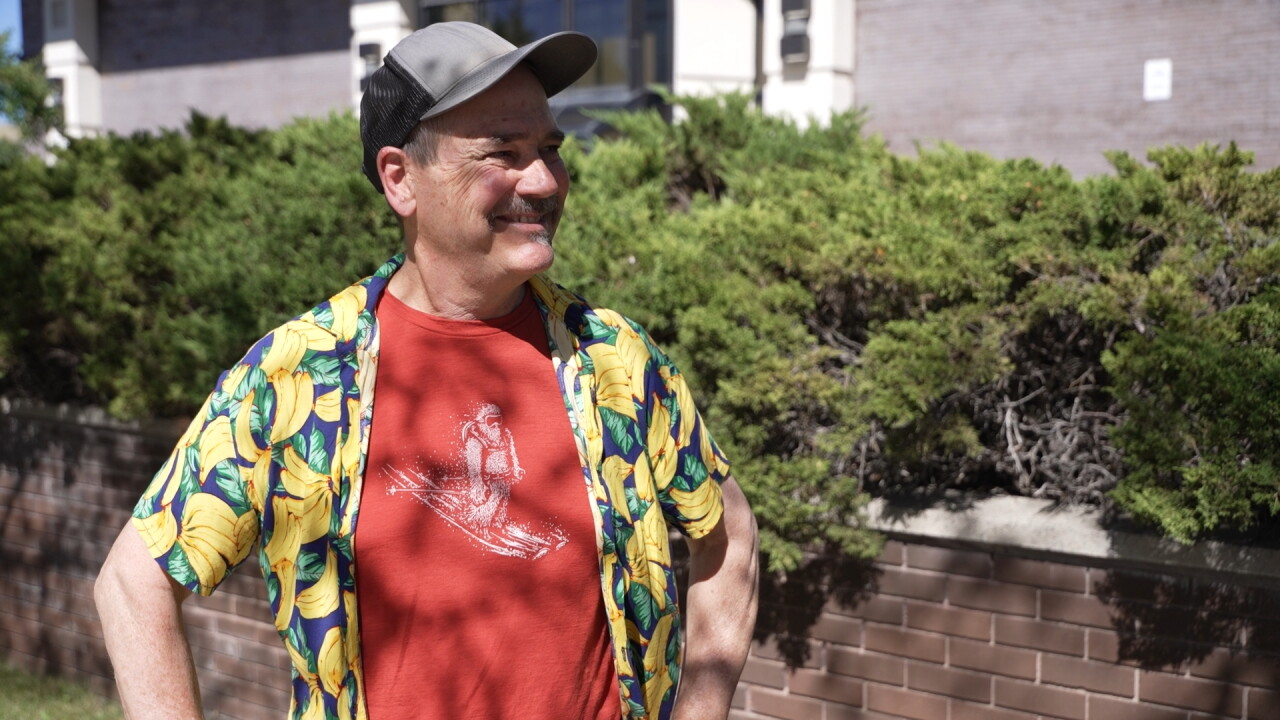
Carter remembers the atmosphere differently than simply the walls and offices.
“You know when you walk into a bakery, and you smell the fresh bread," said Carter. "You walked into the Gazette, and it smelled like fresh news."
The building was where reporters covered the everyday stories of Billings, but also some of the community’s defining moments. Carter worked at the Gazette beginning in 1988, leaving for a time in the 1990s before returning in 1995. He eventually became managing editor and stayed until 2004.
He remembers a newsroom large enough to handle major stories as they unfolded. When the Sept. 11, 2001, terrorist attacks happened, Carter said employees worked together to figure out what the events meant locally and how to tell that story to Billings readers.
“Everybody got together and figured out how to divide up the assignments to provide a local context to a huge story,” Carter said.

The newspaper produced five editions that day, Carter said, with employees working into the early hours of the following morning.
Other memories are smaller but no less meaningful. Carter remembers covering a Billings teachers strike in 2002 and physically taking a newly updated edition to KTVQ after the strike ended so the station could use the newspaper's reporting on television.
“It was a great collaboration sort of thing,” he said.
For Ed Kemmick, the Broadway building was home for more than two decades. Kemmick started at the Gazette in 1989 as a regional editor. He returned to reporting in 1996 and stayed until 2013, later launching his own online newspaper.
On Friday, he returned to the building one last time, visiting with former colleagues and taking a final look around.
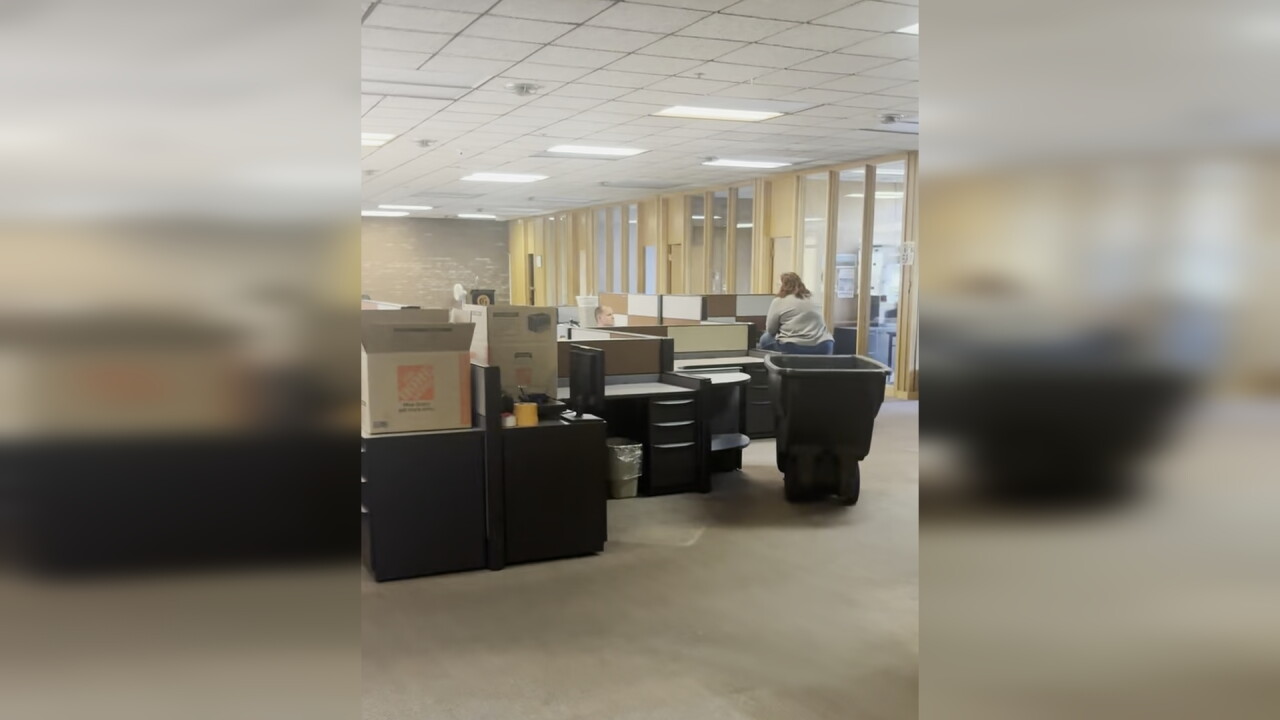
“I spent a lot of my life in there, and even though I don't need a tour, I've seen every square inch,” Kemmick said.
His memories include long shifts and the challenge of balancing work with family. Kemmick said he remembers working overnight shifts and spending long hours in the newsroom. Sometimes his children would visit him at work.
“They would visit me with friends of theirs, and we would just hang out in the newsroom,” Kemmick said. "Their favorite was to go through the revolving door that led to the dark room."
Those memories are tied to a newspaper that looked very different when he started. Kemmick estimates the Gazette once employed around 400 people, making it one of the largest employers in Yellowstone County.

“If you would have told me when I started here that it was like the last golden age of journalism, I would have laughed,” he said. “We really were here for the last golden age because we were allowed to travel and there was tons of training. You had time to work on in-depth stories.”
Today, he estimates roughly just more than 10 people remain at the newspaper. The change, he said, isn't unique to the Gazette. It reflects a transformation that has affected newspapers across the country.
French said he has watched the Gazette adapt as readers increasingly get their news online and newspapers operate with smaller staffs.
“We no longer print in-house, but we still print six days a week,” French said. “It’s more digital-forward, as everything has become.”
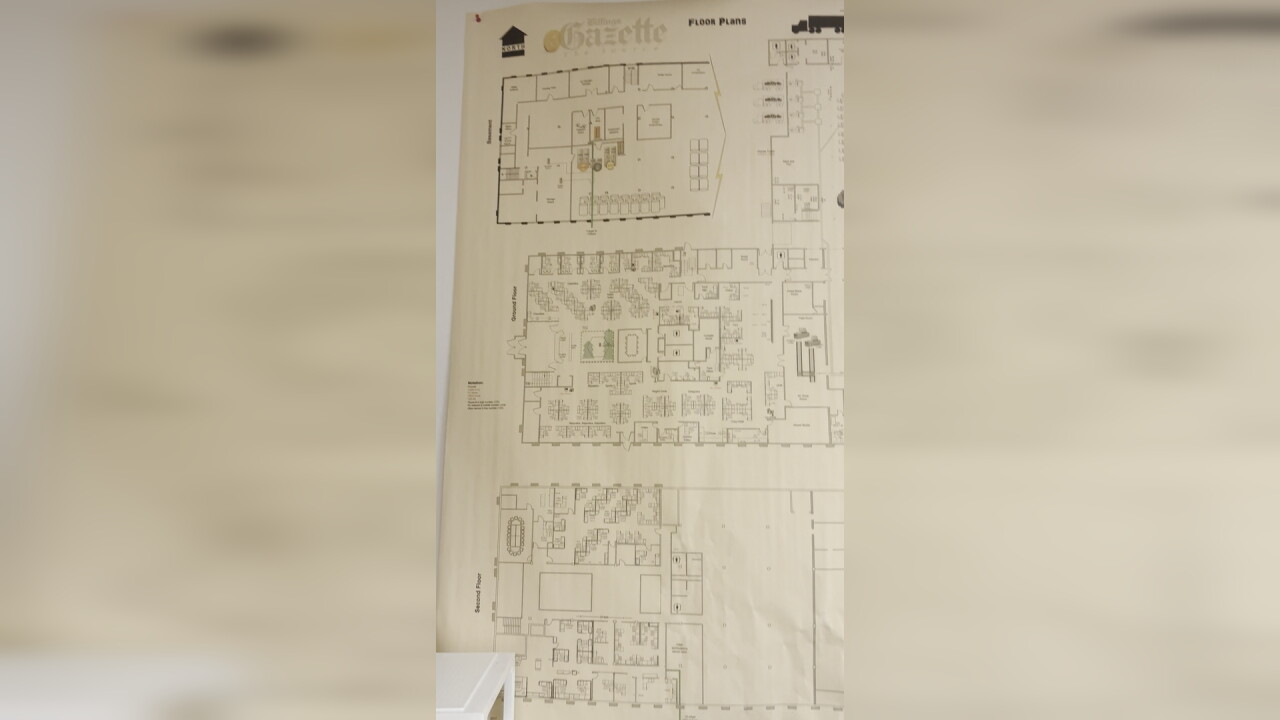
The move to Granite Tower reflects another part of that evolution. The newspaper no longer needs the amount of space required when printing and producing a much larger operation under one roof.
But French said the smaller footprint does not mean the work is less important.
“We still cover our local area and the important issues,” he said.
Still, all said they still had hope for the future of local journalism.
"The newspapers, in general, are going through a time where they're having to do a lot of self-examination about what they want to be as a business. There's still a role in explanatory journalism, contextualization of what's happening in people's hometowns," said Carter. "That's why I think I've got hope for news in general. It just is going to look different."
Even as the publication has evolved, what hasn't changed is its purpose to the community: to inform, to document, and to give local issues and stories a voice.
“The importance of local journalism to a democratic society is, I mean, they’re so importantly intertwined that you can’t have one without the other," said French. "This is where people need to go to find out what's going on in their communities, and that's important to democracy, and that should be important to us all."
A new building may bring new beginnings, but the newsroom will continue to run with the same passion and people behind it.
“Either people will realize the importance of local news, or they won't, and things will go from bad to worse. I hope they realize it before it's too late,” said Kemmick “What’s a city like without a great newspaper? I don’t know. Not as good.”
The Billings Gazette is expected to begin moving into Granite Tower in the coming weeks. The newspaper said the transition will not interrupt its work.
