


BILLINGS — In early December, the American Cancer Society updated its guidelines for the first time since 2020, stating that women nationwide from ages 25 to 65 are eligible for at-home cervical cancer screenings as opposed to typical Pap tests.
Only one at-home cervical cancer screening device company has been approved by the Food and Drug Administration (FDA), Teal Health, founded in 2020.
Hear Billings women react to the Teal Health cervical cancer screening wand:
"We take the same test that is used in the doctor's office, with the same accuracy as the doctor's office, but just comfortably and privately using the Teal Wand," said Teal Health CEO and co-founder Kara Egan.
The ultimate goal of Teal Health, according to Egan, is to improve screening rates and to prevent cervical cancer.
"When you think about women's healthcare, there's probably nothing more important than cervical cancer screening, because we can completely eliminate it through screening," said Egan.
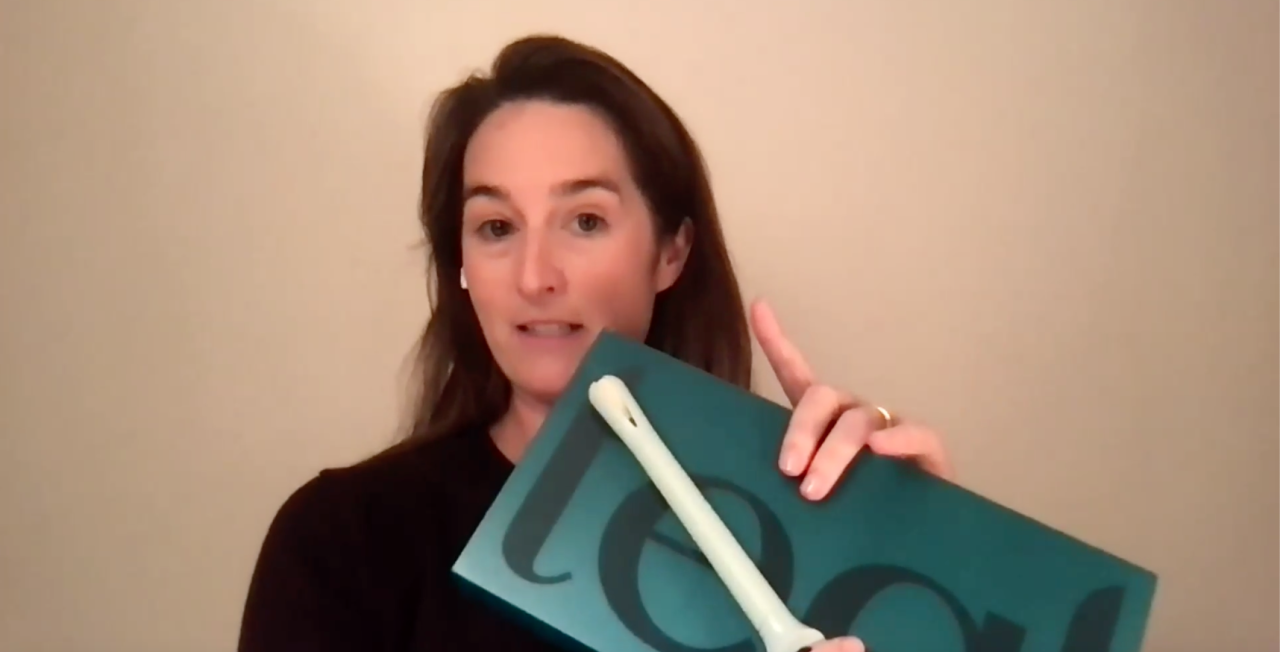
According to the 2019-2021 National Health Interview Survey by the CDC and NCHS, one in four American women are behind on their cervical cancer screening, and the American Cancer Society estimates that over 4,000 women will die in 2025 from cervical cancer.
"We believe that we'll make it much easier for women to stay up to date in a way that's convenient, but also private, which is what we hear really matters to women," said Egan.
In Montana, cervical cancer impacts seven out of every 100,000 women. According to Billings Clinic gynecologist Dr. Dandi Huang, the prevalence in Montana for cervical cancer appears the highest in Hispanic and Indigenous populations.
"Especially in the Native American population, data does present with later-stage and more advanced stages of cancer," said Huang.
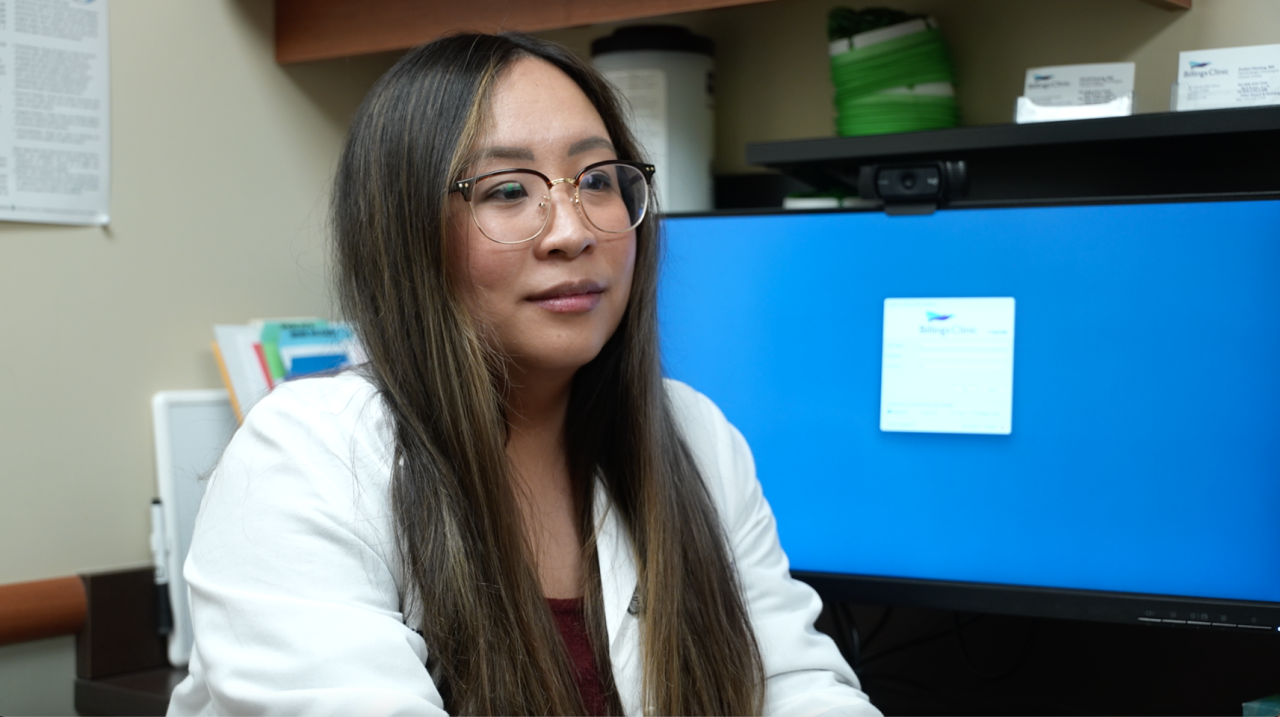
The two cervical cancer screening tests are the HPV test and the Pap test. These tests are typically done during a pelvic exam at the clinic, either individually or separately.
Huang said that while she's performing Pap tests, she's looking for abnormal cells on the cervix caused by HPV, which can lead to cervical cancer. HPV is the leading cause of cervical cancer.
"Pap smears are one of the few tests that we can use that can actually prevent cancer," Huang said. "It's hard to develop a test that can actually catch cancers early on."
Typical Pap smears are performed by a doctor swabbing the cervix to remove a sample of cells for testing. The American Cancer Society recommends Pap smears every three years. Co-testing with HPV tests at the same time can be repeated every five years.
Recommendations state that women should start screening at age 25 and stop screening at age 65.
"(Screening is) a great way to reduce your risk... Don't be afraid to vocalize your concerns to your provider," said Huang.

In May, the FDA approved the Teal Health at-home screening wand, and they began selling in July.
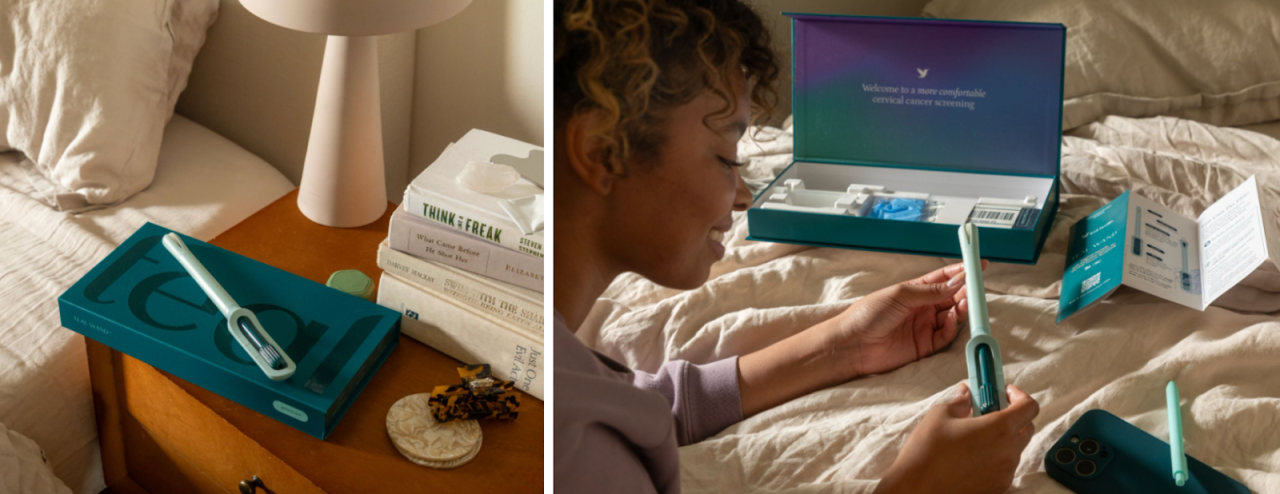
Egan said the wand can be ordered online and shipped directly to patients' homes. When patients purchase a kit, Egan said they'll be matched with a clinician who will go over screening instructions and review test results.
The wand is similar size in diameter to a tampon and is inserted similarly.
"You put it in as far as comfortable, and then you just slide up the sponge and rotate 10 times. That's all it takes to collect the sample," said Egan.
After the sample is collected, patients will ship the sponge to a screening lab. The clinician will review the test results and let the patient know if any further testing is necessary.
The wand is 96% effective at catching cervical cancer, and is $99 with insurance and $249 without insurance.
"Women should feel confident going in and getting screened," said Egan.
MTN spoke with Billings women about their own experiences getting a Pap test, and how they felt about the Teal Health at-home test.
Ana Strong Garcia, 25, said she supports any device that leads to making healthcare more affordable and accessible. However, Strong Garcia said she prefers the comfort of having a healthcare provider doing the procedure.
"I like the security of having a medical professional there in the room with me. But at the same time, I think it could be a really great replacement for additional checks," she said. "So I think I would be totally open to use it, and I'm excited this is making healthcare more accessible and affordable."

On the flip side, 20-year-old Olivia Fried said she would be interested in using the Teal Wand.
"I think just being able to do it in the comfort of your own home is definitely appealing, and I would be open to doing that rather than having to go in," she said.
Fried is not old enough to fall into the cervical cancer screening guidelines, but she said she imagines the procedure is intimidating so she understands Strong Garcia's perception of having a medical provider in the room for support.
"I can see the appeal of that. But maybe where it is so, kind of uncomfortable and just exposing, I do think being able to be in control and just take care of it would be nice," said Fried.

Similar to Fried, 18-year-old Raleigh Moran has yet to receive her Pap test, and said she has a lot of anxiety about getting it in the future.
"I'm personally pretty nervous for it... Being a teenage girl is just super scary, and your body is changing a lot, and it's super confusing," said Moran.
Moran said during such a vulnerable and intimate procedure, she'd rather be alone.
"Being kind of in the comfort of your own home, and kind of doing something so vulnerable like that, I think could definitely make a lot more people comfortable... It's just something that you don't look forward to," she said.

