


PARK CITY — Federal environmental crews are removing asbestos-containing material from yards, streets, and alleyways in Park City after a December windstorm tore hazardous insulation from the school's roof and scattered it into the nearby neighborhood.
The U.S. Environmental Protection Agency says cleanup efforts are expected to take three to four weeks and will cost homeowners nothing.
Learn more about the EPA's cleanup process:
The contamination traces back to vermiculite insulation that was installed decades ago on the Park City School gym roof. The material originated from the former Libby mine, a superfund site that is known to have produced vermiculite contaminated with asbestos.
High winds on Dec. 17 ripped sections of the roof from the school, allowing the insulation to spread beyond campus boundaries.
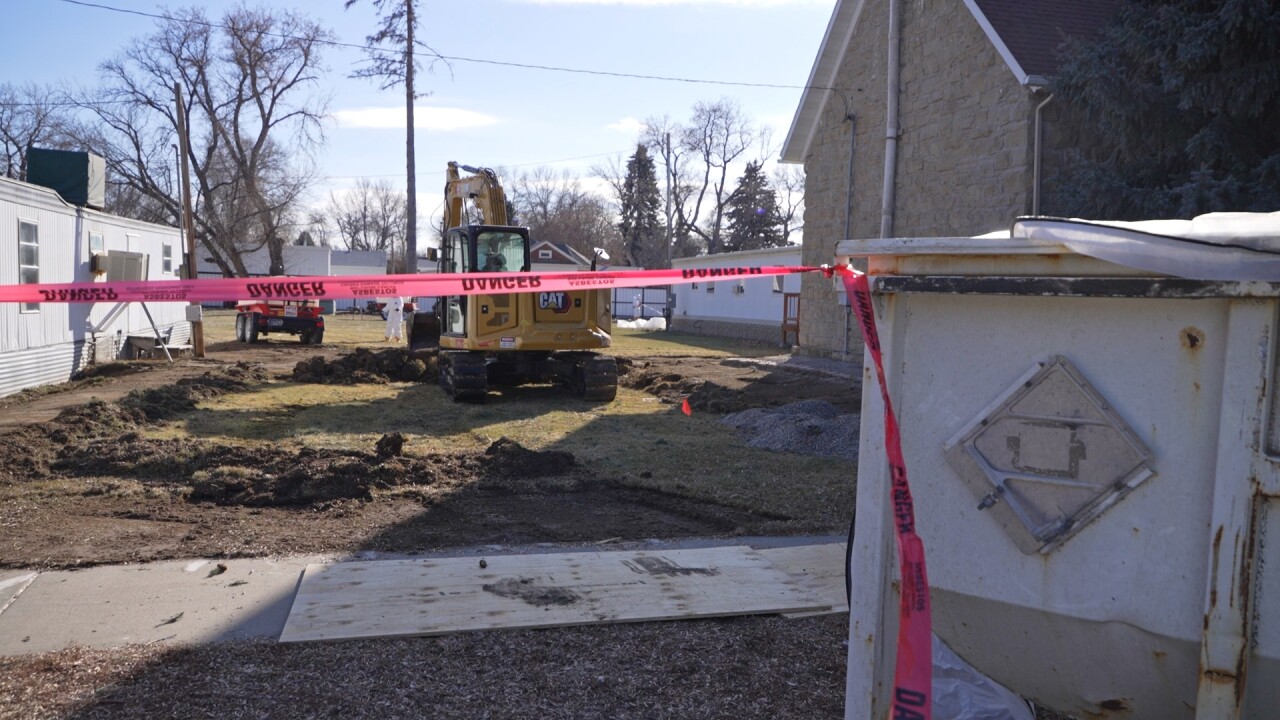
After the storm, the Montana Department of Environmental Quality issued an emergency permit allowing the Park City School District to repair the roof and remove asbestos-containing insulation from school property. As asbestos was later identified on nearby residential properties and public areas, DEQ requested assistance from EPA Region 8, according to Ashlin Brooks, an EPA public information officer.
EPA emergency response personnel arrived in Park City on Jan. 13 to assess contamination beyond the school grounds, according to Brooks. On-scene coordinators from the agency began notifying residents and marking areas for further evaluation.
Related: EPA investigating asbestos spreading into Park City neighborhoods after windstorm
"This is a unique site in that asbestos was deposited in the winter from a location that's not an industrial facility," said Brad Martin, an EPA on-scene coordinator from Washington. "Normally, we do this type of work in the summer when it's a little bit better weather, and we can plan it out a little bit more. This is a fairly common activity for EPA to engage in.”
On Thursday, EPA officials said approximately 15 residential properties, along with several alleyways and three roads, were affected. The United Methodist Episcopal Church across from the school, one of the closest properties to the source, was among the first sites to undergo remediation.
Just next door, homeowner Chantile Dobitz said the material was visible in her yard after the storm.
“You can physically see the stuff in our yard. It honestly looked like pellet cat litter just thrown across our yards," said Dobitz. "It was nerve-wracking because a lot of times vermiculite contains asbestos. So, of course, that was a thought that had entered our minds.”
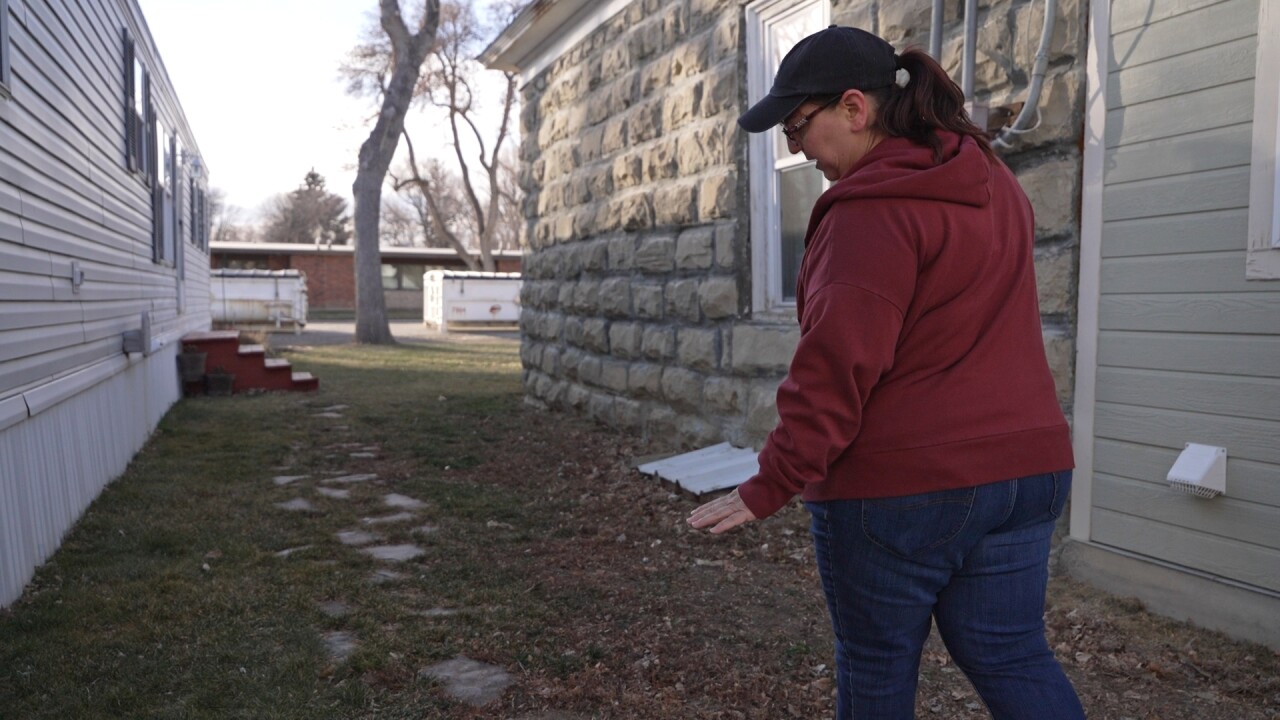
Dobitz has lived near the school for many years and also works there as the head cook. Her mother lives in the home behind her on the same piece of land. She said EPA crews evaluated her property before she opted to have contaminated soil removed.
“A complete upheave in every sense of it for me personally, being a homeowner and an employee at the school,” she said. "The dynamics of everyday living has definitely been different."
EPA officials emphasized that not all flagged areas indicate contamination. Some orange markers were placed to guide assessments or identify property boundaries.
“If you saw flags, it didn't always mean that there was vermiculite there or contamination there," said EPA on-scene coordinator Tom Vroman from Washington. "Sometimes it was just there to remind, or to let us know, that we need to go back to do an assessment too.”

Several windstorms have prevented the EPA from beginning sooner, but Martin did state that much of the material had lodged in the grass and had not been mobilized again.
According to the EPA, asbestos fibers are not visible to the naked eye and pose the greatest health risk when disturbed and inhaled. Exposure over long periods of time can lead to serious illnesses, often decades later.
"Unfortunately, this particular type of vermiculite has asbestos in it that is of a fairly high concern with respect to disease development," said Martin. "That being said, we still want to get it out of the community and remove it from the potential pathway for any sort of human exposure whatsoever."
To prevent fibers from becoming airborne, crews wet the soil during inspections and removal. Cleanup typically involves scraping three to six inches of soil from affected areas, placing it in plastic-lined containers, and disposing of it at a landfill in Billings that is approved for asbestos waste.

Once removal is complete, properties will be backfilled with clean soil sourced from the Billings area and tested to ensure it is free of contamination. Grass will be restored through hydroseeding to accommodate the colder temperatures.
Homeowners may choose whether to participate in the EPA cleanup, which is funded federally and does not require reimbursement.
“EPA's role here is to remove the contamination from the homeowner's yards as quickly as we can, using the taxpayer's money to the best of our ability in an efficient way," said Martin. “Our primary goal is to ensure that material is gone and that the chance of exposure is minimized."
Stillwater County commissioners earlier ordered the school district to remove debris from school grounds before the EPA's arrival, stating the county would not cover cleanup costs. MTN did attend Thursday's public meeting, but the commissioners did not wish to comment on the school or the cleanup process.
The district’s insurance has agreed to pay the full cost of roof repairs and on-site asbestos abatement, estimated at $1.5 million, with the district responsible for a $2,500 deductible, Superintendent Dave Whitesell said.

Fourth through sixth graders are expected to return to the high school wing of the building next week, Whitesell said.
For residents like Dobitz, the federal response has brought relief.
"That definitely gives us a peace of mind. Absolutely, and they're working fast," she said. “There's unity in community, so it's working. We're making it happen for the kids.”
The EPA and Montana DEQ plan to hold public office hours in Park City from 5 to 7 p.m. on Friday to answer questions and provide information on asbestos safety. For more information from the EPA, click here.
