


PARK CITY — Federal environmental officials are investigating asbestos contamination at nearly 15 homes in Park City after a powerful December windstorm ripped the roof off the school's gym, scattering hazardous insulation across the surrounding neighborhood and leaving some frustrated over delays in cleanup.
Learn more about the current asbestos situation in Park City:
The Environmental Protection Agency arrived in Park City on Tuesday to assess and mark properties affected by vermiculite insulation containing asbestos, which was found in yards near the school. Orange flags now dot several lawns as officials work to determine the extent of contamination and begin remediation, which will come at no cost to homeowners.
Resident Wendy Pickham lives near the school and lived in one of the homes affected.
“As old as the school is, it’s kind of a concern,” she said.
Tests conducted after the storm found that vermiculite from the school roof contained a small amount of asbestos. The EPA began assessing nearby properties Tuesday, notifying homeowners and marking areas where contamination was found.

“That was quite interesting, getting a knock on the door, like the gentleman said from the US government, the EPA," she said. “From the school and our block up, they have found traces, in some places higher."
The Dec. 17 storm that caused the damage was part of a widespread wind event that Gov. Greg Gianforte said was the most destructive Montana has seen in 30 years. In a letter sent to President Donald Trump on Friday, Gianforte requested a major disaster declaration, citing wind gusts between 60 and 90 mph that tore through nearly every county in the state, knocking down trees, damaging buildings and causing an estimated $13.3 million in damage.
In his letter, Gianforte noted that five schools suffered catastrophic roof failures, including the Park City School.
“The impact and damage of the windstorm to this school caused a large spread of their asbestos insulation, creating a hazard for the school and its surrounding community,” Gianforte wrote.
The damage forced students out of the building, transitioning many to remote learning this week as crews continue cleanup and asbestos abatement. Superintendent Dave Whitesell estimates it could take up to eight weeks before all students can safely return.
Related: Parents adapt as Park City students begin remote learning during school closure
Asbestos, once commonly used in insulation, is known to cause cancer when fibers are inhaled. Pickham said she isn’t overly worried but has questions about potential health impacts.
“Health-wise, I'm like, oh my God, me and my sister went to school there," said Pickham. "And other people—how much and where?”
EPA site manager Joe Payne told MTN that, with homeowner permission, crews will scrape about three inches of contaminated soil and grass, replace it with clean topsoil and reseed affected areas. Playground gravel at the school will also need to be removed.
The EPA’s involvement comes after weeks of uncertainty and growing frustration among contractors and residents over who was responsible for cleanup beyond school property.
"Everybody knows what asbestos is. It knows the health risks associated with it," said Bryan Meier, a contractor with Environmental Contracting, who was hired to handle abatement at the school. "It was a tough pill to swallow to see it laying on the ground and not being able to get it.”
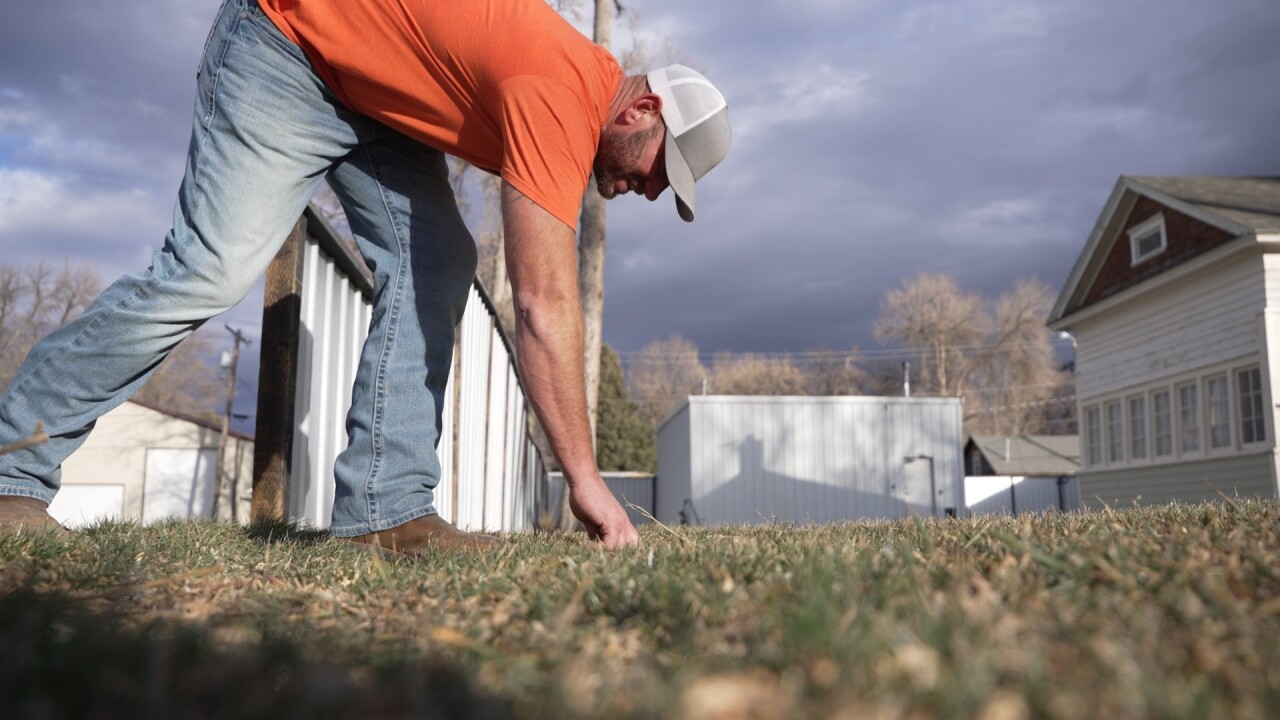
Meier said his team initially focused on school grounds under direction from insurance providers, even after realizing debris had spread into the community.
"We filed for an emergency permit through the state DEQ (Department of Environmental Quality) to do the abatement," he said. “Basically, it was the directive of the insurance to just focus on school property, and there was no determination on responsibility of cleaning up the street.”
Meier said he contacted state and county officials, including the governor’s office, but received little direction.
“Disappointed, disappointed in our leaders to let something like this go like this," said Meier. "Kind of puts a black eye on people that are supposed to step in when we need help like this. Communities need help.”
The Stillwater County commissioners sent a letter to the school district on Jan. 8, giving the district four days to clean up debris off school grounds. Commissioner Roger Webb said the county will not pay for cleanup or authorize emergency services, arguing the school has insurance and that EPA cleanup outside the buildings comes at no cost to local government.
Webb said insurance has already paid the school an initial $250,000 and that a 14-person crew is currently cleaning inside the building to prepare for reopening.
Whitesell responded to the county’s letter on Jan. 12, saying the district was following Montana DEQ guidelines and that proper cleanup could not meet the county’s deadline.
“They did send a letter that said that it was our vermiculite and it was on their streets and they would like us to get it cleaned up within four days," said Whitesell. "I think we've worked past that with the Montana DEQ and the Environmental Protection Agency getting involved.”
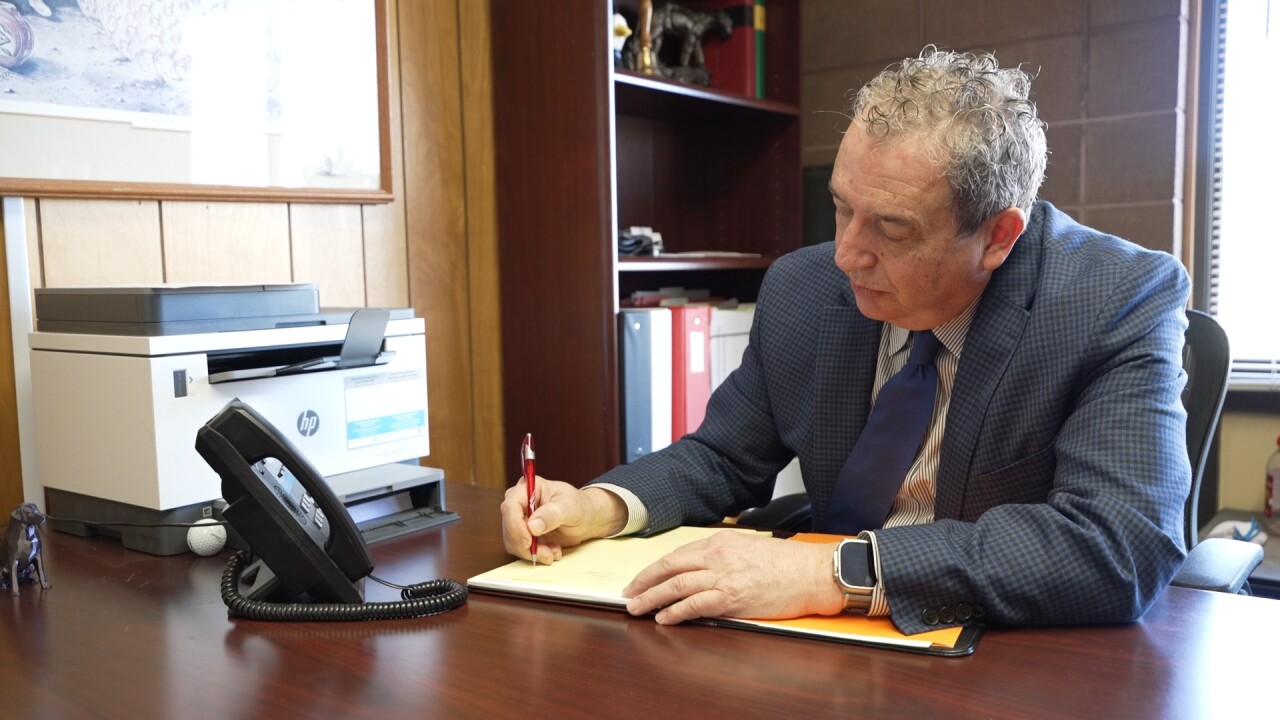
Since the EPA arrived, Whitesell said coordination has improved.
"I think all of us are trying to get from point A to point B and finding our lanes, our boundaries. It's a trying time. We understand that," said Whitesell. "It's obviously our first and most important concern was our kids and our staff, but also, there is the concern of what's going on with the county road and the community."
Whitesell estimates the total cleanup could cost the district about $1.5 million. He said it remains unclear how much assistance may come from the EPA or FEMA, if the president approves the disaster declaration.
The gym roof was built in 1971, during the period when vermiculite from the Libby mine, which was later declared a major asbestos site, was widely used.
“That, of course, was during the time when the Libby mine was, (W.R. Grace), was going full board," said Whitesell. "I think it's a pretty good understanding that it probably came from there.”
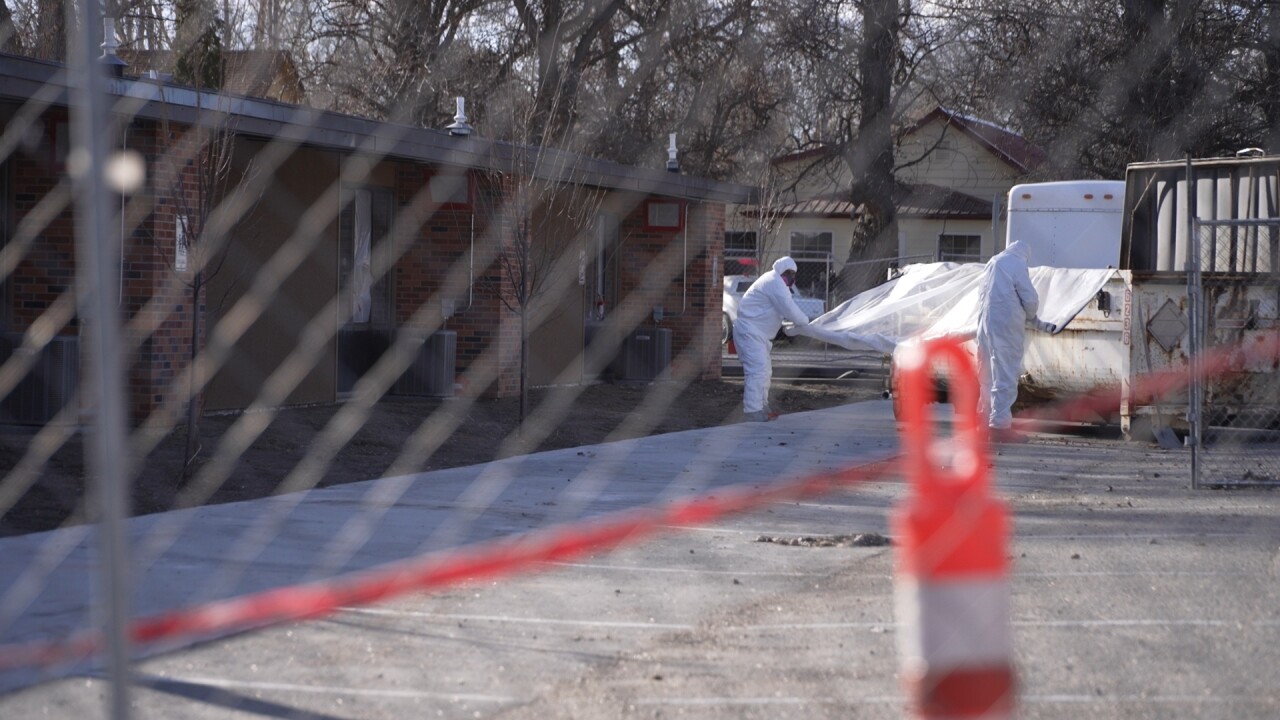
For residents like Pickham, relief is setting in now that cleanup is finally underway.
“I'm glad that they are taking, you know, that step to take care of it,” she said.
Meier agreed, though he said action should have come sooner.
"Finally, now we got people there doing what we should have been doing a long time ago," he said. “But, you know, we are where we are. We're going to get the kids back to school as fast as we can and go down the road from there.”
For more information from the EPA, click here.
