

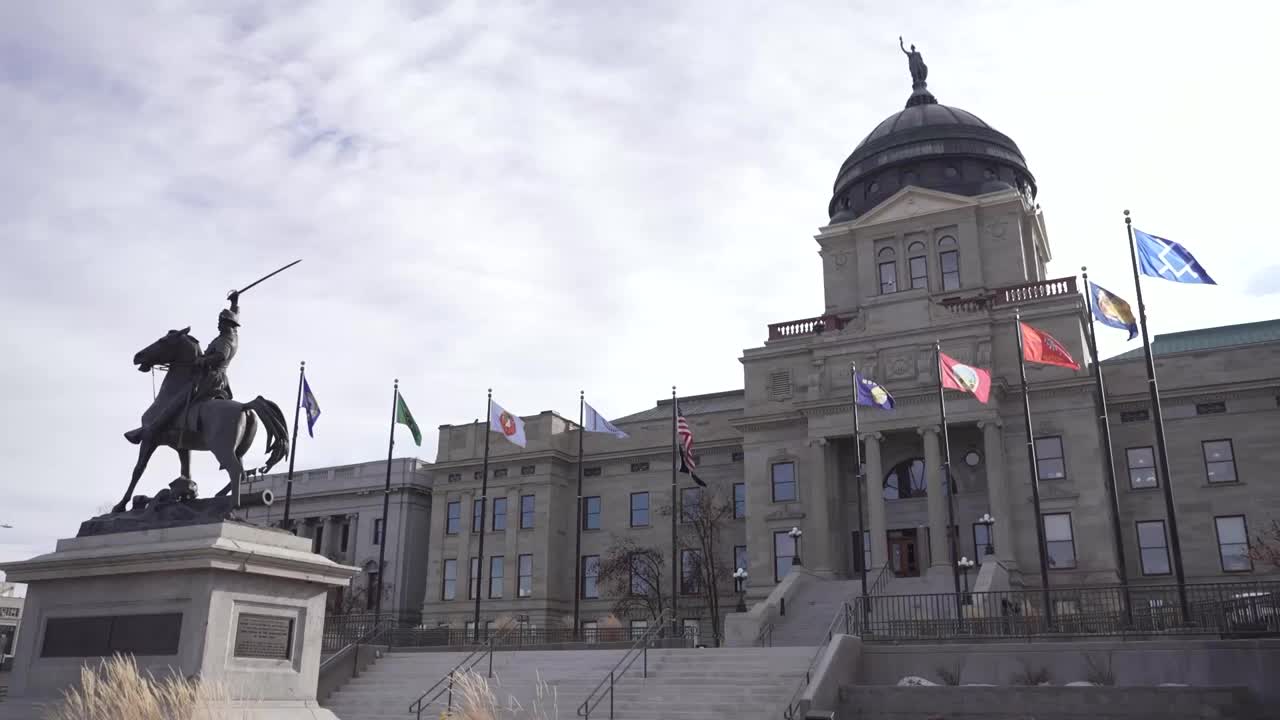


HELENA — The Montana Department of Labor and Industry says more than 200,000 Montanans – a third of the state’s workforce – require a state license in order to do their job. Over the next six months, a state task force is going to be weighing whether Montana’s current rules for licensing occupations are a good fit for today’s needs.
“How do we protect public safety while ensuring that there's no unnecessary barriers that keep people from working across the state?” said Commissioner of Labor and Industry Sarah Swanson.
(Watch the video for more on Montana's occupational licensing rules.)
Last month, Gov. Greg Gianforte announced the creation of a new Licensing Reform Task Force, with Swanson as the chair.
“When people hear licensing reform, some worry that that means cutting corners, lowering standards,” Swanson told MTN. “That is not what this is about. We're not interested in lowering standards for licenses in Montana; we're interested in smart standards.”
The state currently has more than 200 types of occupational licenses. They cover professions ranging from doctors and nurses, to architects, to plumbers and electricians, to barbers and cosmetologists.
Swanson says they’re not looking at eliminating any particular licenses, but rather making sure the rules for each license are doing what they’re meant to.
“If a rule meaningfully protects patients or consumers, we'll keep it – or strengthen it even, if it needs to be strengthened,” she said. “If it only creates delay or cost without providing better outcomes for Montanans, then we should be willing to revisit it.”
Gianforte has made reforming regulations one of the central pieces of his agenda as governor, including through his “Red Tape Relief” initiatives. He directed the new task force to deliver a report with recommendations by Sept. 2.
“We want a system that is clear, predictable and fair: how to get a license, how to get it quickly, and how to uphold the standards to keep the public safe while you have that license,” said Swanson. “But we also have to take action to address licensing for people that have barriers to access those licenses.”
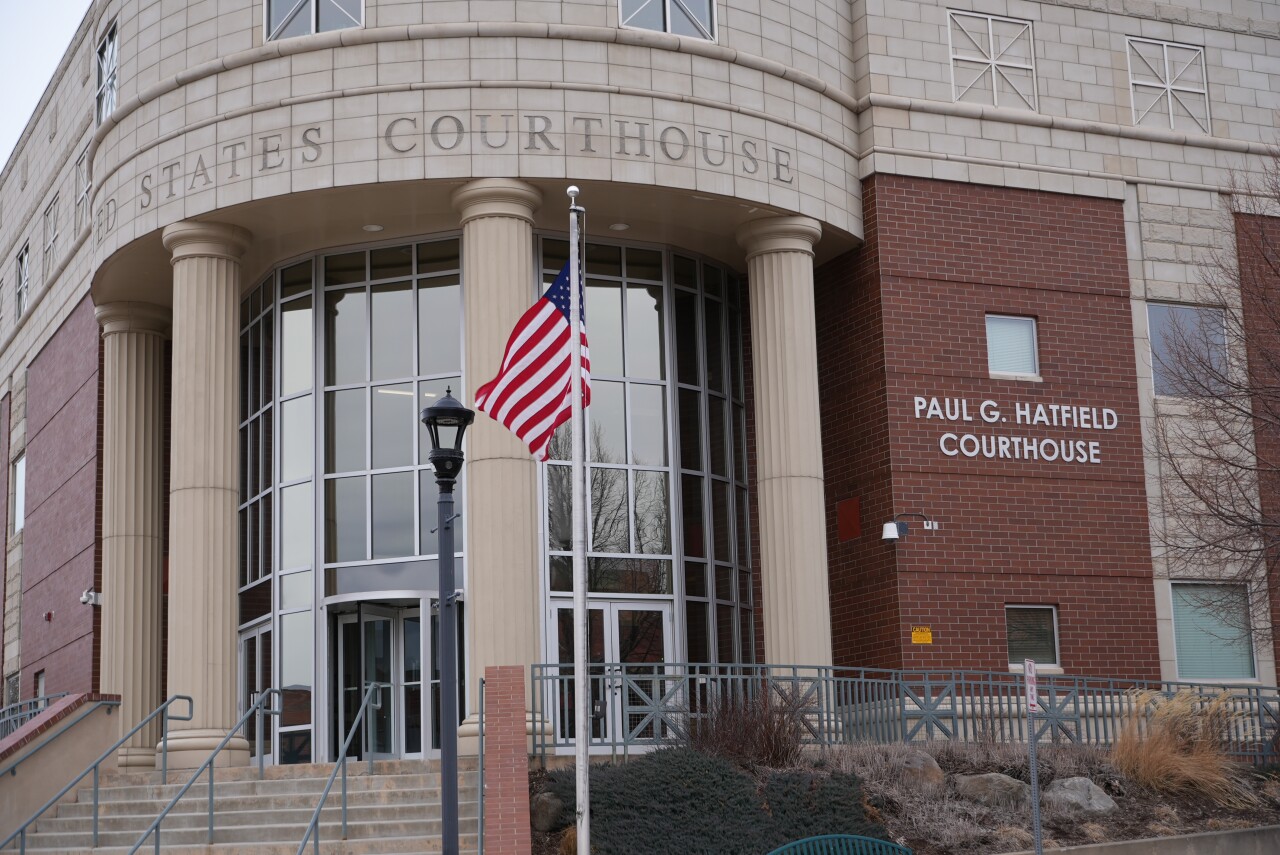
Occupational barriers are also at the center of a new lawsuit filed in federal court this month, which challenges Montana’s regulations on how nursing students enrolled in out-of-state programs can get the in-person training they need to complete their education.
“In Montana, in many places, shortages are dire and employers are struggling – and yet again, there's artificial barriers that are created to keep competition at bay,” said Mikhail Shneyder. “I think all they do is harm the state.”
Shneyder is the founder and CEO of Nightingale Education Group, which operates Nightingale College, a private for-profit nursing education program based in Utah. He says their goal was to provide a more accessible option for students to pursue nursing, even if they don’t live near an existing nursing program.
“The country's peppered with education deserts,” said Shneyder.
Nightingale students are able to do their coursework online, but they still need to get real-world experience through “clinical placements” in health care settings, with supervision from faculty.
Shneyder says, in Montana, the state Board of Nursing has to sign off before a student in an out-of-state nursing program does a clinical placement in the state. As part of that, they require confirmation that allowing it won’t displace students from in-state programs.
Shneyder says Nightingale has asked multiple times, but has never gotten approval. That means any students who enroll in their program inside Montana will need to do clinical placements in other states.
“People look at it and say, ‘Yes, I would love to have this option, but it's going to cost me more to travel outside of the state and do these clinicals outside of the state, and therefore I am not going to enroll with you – and I'll take my chances on a waitlist somewhere for years and years and years, chasing my dream,’” said Shneyder.
Leaders say Nightingale currently has five students within Montana, but another 26 potential students opted out in October after learning they wouldn’t be able to do clinical placements in state.
Now, Nightingale is suing the presiding officer of the Board of Nursing. They argue there is no health or safety justification for requiring out-of-state nursing programs to go through different approvals than in-state programs. Instead, they say it’s a form of “economic protectionism” for existing programs that interferes with interstate commerce under the U.S. Constitution.
“All of the protections that exist otherwise for in-state schools already are true for our learners; there are no less than anybody else that enrolls in the in-state school,” Shneyder said. “They learn the same concepts and then they do the same skills. And so it is disheartening that this continually happens, in several states across the Union, these protectionist policies.”
While Swanson wouldn’t comment directly on active litigation, she said questions about “interstate mobility” and allowing reciprocity for people to licensed in one state to get licensed in another are becoming larger issues every year – and they are going to be part of the task force’s discussions.
“It's really important to us to ensure that the public is safe from those that hold a license,” she said. “It's why we move slowly when considering issues like interstate mobility, and it's why it's an issue that's been put before the task force.”
Shneyder said he was pleased to hear the state was looking at its occupational licensing rules.
“I'm glad to hear that some movement is happening because it is sorely needed,” he said. “Perhaps the combination of the two efforts will change the course of history here in the state.”
You can find more information about the Licensing Reform Task Force, including how to provide public comment, on the DLI website.
