

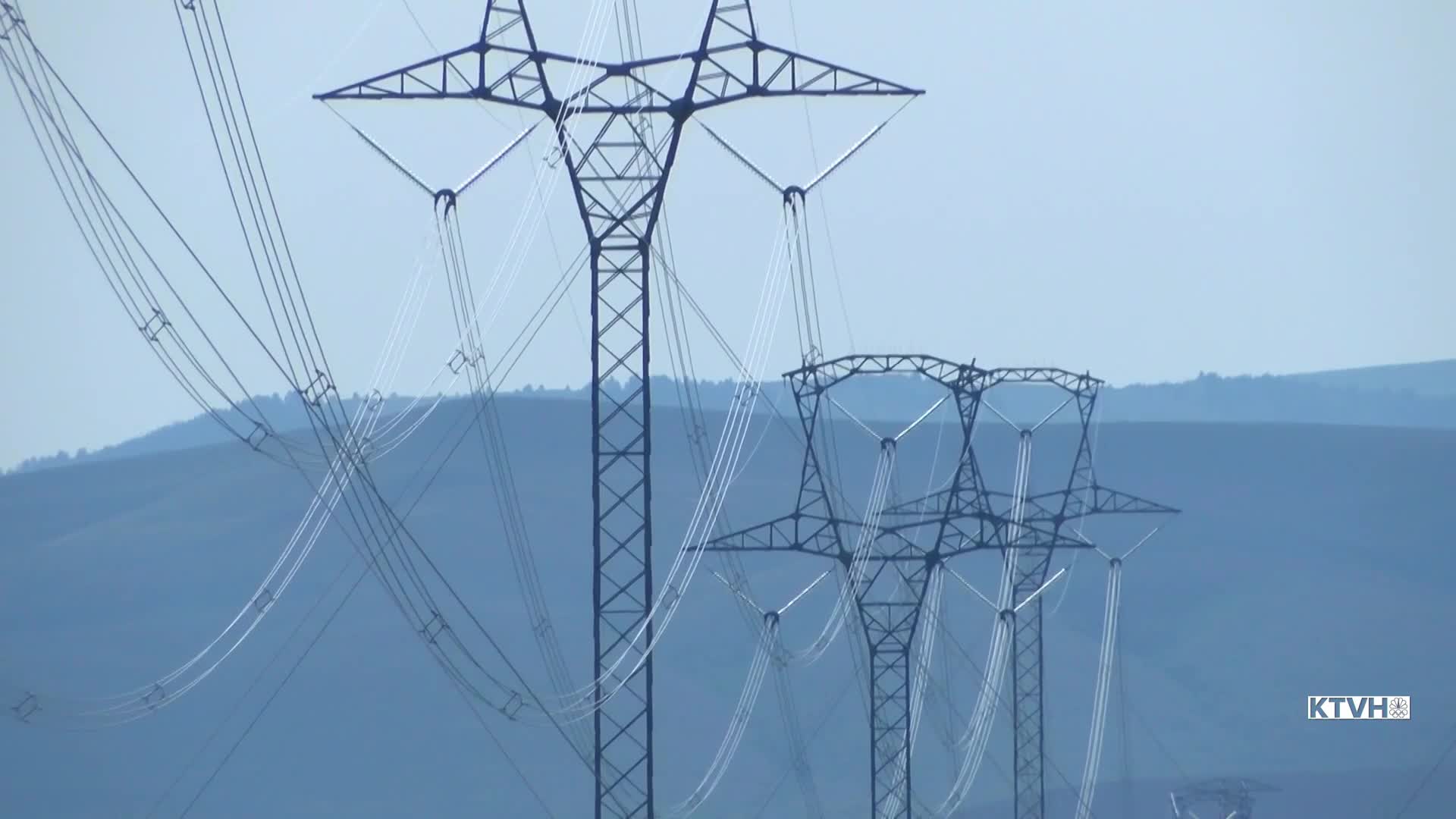


HELENA — A federal judge in Oregon has ordered operational changes at dams along the Columbia River system, in order to support endangered fish populations. It’s a decision that’s drawing strong reactions in Montana.
Environmental groups and the federal government have been embroiled in a decades-long lawsuit over the impact Columbia River dams have on salmon and steelhead. On Wednesday, U.S. District Judge Michael Simon issued a preliminary injunction, requiring authorities to release more water through the dams – which could help migrating fish reach the ocean but reduce the maximum amount of hydroelectric power those dams can produce.
(Watch the video for more on what the judge's decision could mean in Montana.)
“We are facing a situation where there may be less and less affordable, reliable, clean power available from that Columbia River system, which is so critically important to a population that's using more electricity than ever,” said Mark Lambrecht, CEO of the Montana Electric Cooperatives’ Association.
MECA represents 25 customer-owned electric utilities across the state. Eight of their members in western Montana – serving a total of more than 220,000 customers – buy wholesale power from the Columbia River system through the Bonneville Power Administration. Lambrecht says that power is a significant portion of the energy they provide.
“For some, it's 100%, and for others, it's the vast majority of the power that they receive,” he said.
Lambrecht says, if the amount of hydropower produced on the Columbia falls, authorities will need to make up the difference by buying power from more expensive sources on the market.
“There have been situations, particularly during periods of peak demand brought about by or exacerbated by extreme weather conditions, where power purchases have had to be made on the market at a much higher cost to the consumer,” he said.
Leaders with Flathead Electric Cooperative and Vigilante Electric Cooperative told MTN Thursday that they shared the concerns about how the ruling could impact power reliability and cost. Other Montana utilities that use BPA power and could be affected include Missoula Electric Cooperative, Lincoln Electric Cooperative, Ravalli Electric Cooperative, Northern Lights, Inc., Glacier Electric Cooperative and Fall River Electric Cooperative.
In a statement Thursday, Gov. Greg Gianforte also expressed disappointment in the ruling.
“Simply put, Montanans depend on reliable, affordable hydropower from the Columbia River Power System,” he said. “Yesterday’s ruling from the U.S. District Court in Oregon unfortunately limits our ability to fulfil the energy demands of our state, especially at times when we experience severe cold weather events.”
However, Earthjustice, a law firm representing the plaintiffs in this case, said salmon in the Columbia Basin are in a dire situation and that the dams are the biggest threat they face while in the river system.
“The changes to the hydropower system ordered by the court today are immediate and reasonable steps to prevent salmon extinction,” said attorney Amanda Goodin in a statement. “Salmon need help now, and we’re encouraged the court has granted immediate, commonsense relief that will help protect imperiled Northwest salmon and steelhead.”
The environmental groups’ litigation was put on hold in 2023, when the Biden administration announced an agreement that put some of the plaintiffs’ requests into place. Last year, President Donald Trump announced he was canceling that agreement, saying it would be harmful to electrical production, agriculture and recreation.
Earthjustice noted that the judge said in his ruling that most of the changes he was directing had been done previously, and that he doubted “calamities” would follow this time.
“The Court builds into the injunction flexibility for the Action Agencies to adjust spills for emergency power generation and transportation needs,” Simon wrote. “The Court is unpersuaded by arguments that spill will create various catastrophic results. Defendants have raised these concerns each time spill is litigated without them coming to fruition.”
Lambrecht said MECA and its member cooperatives are supportive of salmon and steelhead recovery, and that that goal and reliable power shouldn’t be mutually exclusive.
“Our data shows that the $2 billion worth of investment on behalf of ratepayers in fish recovery technologies and efforts such as investments in fish hatcheries and removable spillway weirs and fish ladders, fish transport, all of those things – it’s working,” he said. “The survival rates of the salmon are improving, and our position is that any challenges for fish recovery and migration are more impacted by oceanic conditions.”
This ruling is almost certainly not going to be the last word on this case, as parties are already talking about possible appeals.
