

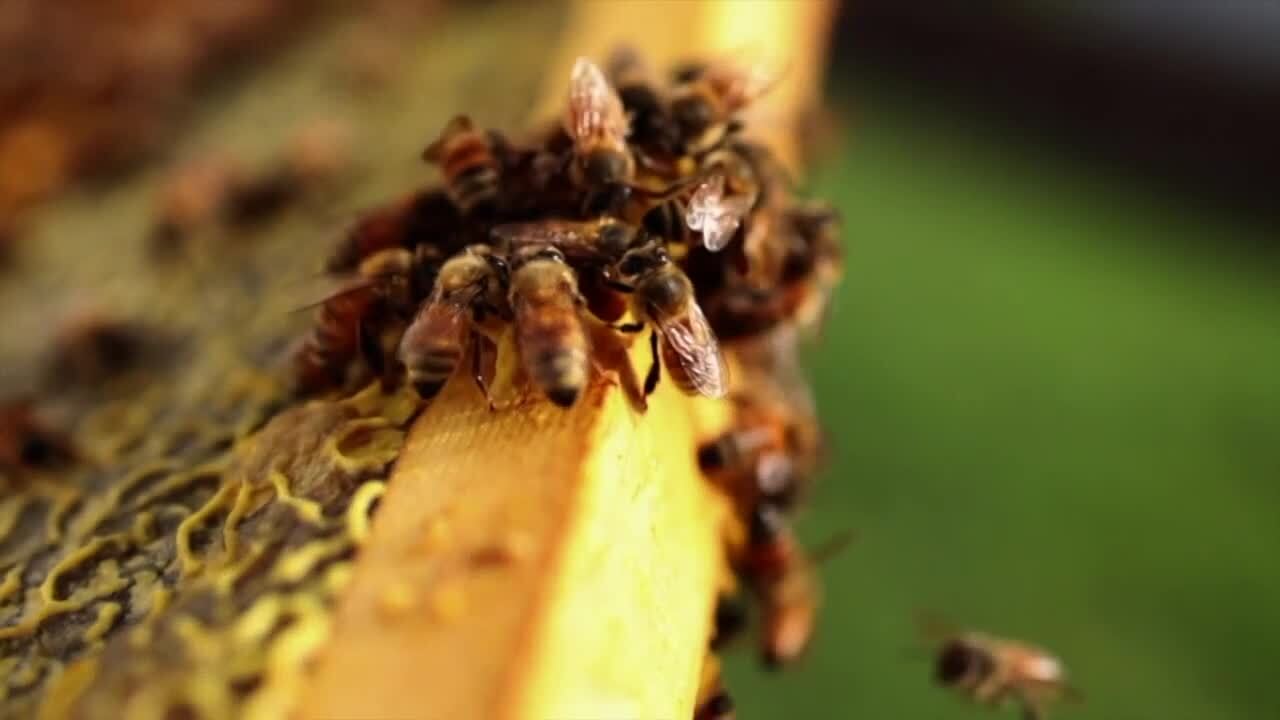


BILLINGS— Horticulture experts are concerned about insect populations fluctuating amid unusually warm winter weather, which could mean a lower bee population and higher pest population.
According to the Billings office of the National Weather Service, this winter has the highest recorded average temperature since 1935.
Watch the report:
Horticulture specialist Abi Saeed at the Montana State University Horticulture Extension said high temperatures mean she is seeing plants develop early, which could result in less food for pollinator insects later in the year.
“In some situations, we've seen a lot more plant activity earlier than we would expect. We even saw plants starting to flower in the Gallatin Valley in late December,” said Saeed.
“What we could see is a mismatch between when these plants would flower and when these pollinators might emerge and need that food source to be available during that time. So that is a concern that we definitely have in mind,” she added.
One of the horticulture extension’s agents, Anthony Sammartano, has a different concern. He said warm temperatures could result in a higher tick population, negatively affecting Montana recreation and tourism.
“It’s nice to go out into our open areas and natural spaces and not have to worry too much about what a tick's going to give you, but that looks like it may change,” said Sammartano.
“We can't predict what effect it'll have… we might see ripple effects two years to five years to 10 years from now,” he added.
Offering a third perspective, Extension Associate Specialist and Arthropod Diagnostician Chloe Rice said insect populations could decrease or increase depending on whether Montana receives cold weather.
“If some insects emerge earlier than usual, then are hit with a cold snap, this could kill them. Also, snow can act as an insulating layer for insects that lay their eggs in the soil. If a cold snap occurs when there is no insulating snow layer, this could kill some insect eggs. However, if the warm weather continues, some insects might be able to complete an extra generation, which could potentially lead to larger populations later. Alternatively, if insects emerge at a different time to when their food sources are available, they might starve,” Rice said in a written statement to MTN News.
Rice recommends gardeners and farmers reach out to their local horticulture extension agent if they have concerns or questions.
Click here for the MSU Yellowstone County Horticulture Extension website.
