

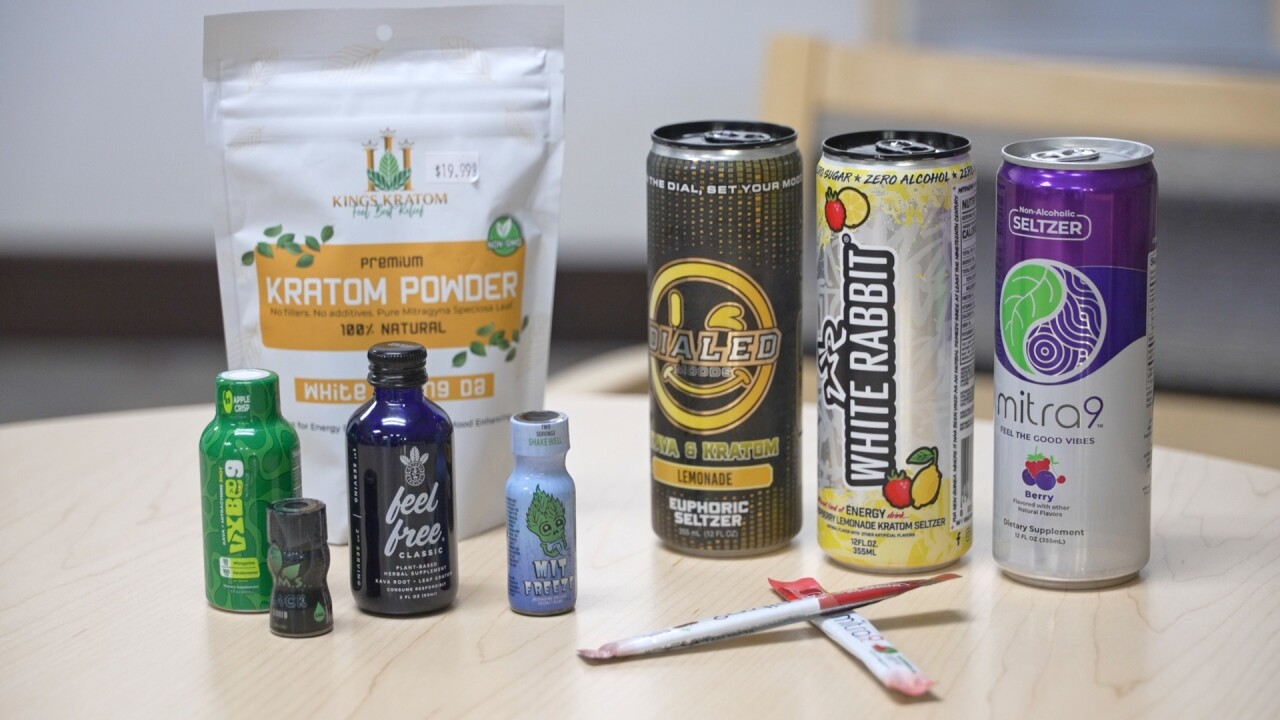


BILLINGS — RiverStone Health will begin prohibiting the sale of food and beverage products containing kratom in licensed food establishments across Yellowstone County starting Jan. 1, citing safety concerns and a rise in overdose deaths linked to the substance.
Learn about how Yellowstone County will prohibit food and drink kratom sales:
The move makes Yellowstone County the first county in Montana to enforce such a prohibition outside of the Blackfeet Reservation, which banned kratom sales earlier this year.
Related: RiverStone Health announces crackdown on kratom sales in Yellowstone County
RiverStone Health, which enforces food safety regulations as the county's public-health department, stated that the action is intended to prevent kratom from entering the local food supply.
“Our regulatory authority, as the local health department, enables us to take this action and keep cratum out of the food supply," said RiverStone Health CEO and Health Officer Jon Forte.

Kratom, a tropical plant native to Southeast Asia, is often marketed for pain relief, energy and assistance with opioid withdrawal. Forte said kratom is not regulated by the U.S. Food and Drug Administration (FDA), as the agency has stated that kratom cannot be marketed as a dietary supplement, which means it cannot legally be sold in food or beverage products in Montana.
The prohibition applies to both natural and synthetic forms of kratom, and Forte said the primary concern centers on kratom’s active compounds, mitragynine and 7-hydroxymitragynine, commonly known as 7-OH. RiverStone Health said at least 29 people in Montana have died from kratom overdoses since 2020.
“At least five of those overdose deaths were classified as mitragynine overdoses, which is the primary form found in natural leaf kratom," said Forte. "Multiple doses of naloxone and Narcan are needed to reverse the overdose effects from synthetic kratom."
Related: Billings mom's battle with 'natural' supplement leads to warnings about unregulated kratom products
The prohibition would cover pills, powders, teas, drinks, shots, and other kratom-containing products sold in restaurants, bars, and other licensed food establishments.
Under the new enforcement plan, RiverStone’s environmental health and public health teams will notify affected businesses, provide fact sheets, and outline compliance deadlines. The department said businesses will be given time to remove kratom products before enforcement actions begin, which could eventually include fines, fees, or legal action.

“Our action today in licensed food establishments is not about banning kratom. It's not about removing it from stores or removing it from sales," said Forte. "It is about protecting the food supply and keeping it out of the hands of kids or uninformed consumers."
The decision has drawn concern from kratom users and business advocates, who argue the prohibition does not adequately distinguish between natural kratom and highly concentrated synthetic products.
Billings resident Rony J. Stevens, who is running as for the state House in Billings as a Republican, said he supports banning 7-OH but is worried about how broader enforcement could harm local businesses and users.
“My concern is making sure enforcement is precise so responsible local businesses aren't unintentionally treated the same,” said Stevens. "I just believe that 7-OH needs to be targeted more than naturally brewed kratom. There needs to be a distinction between the two.”
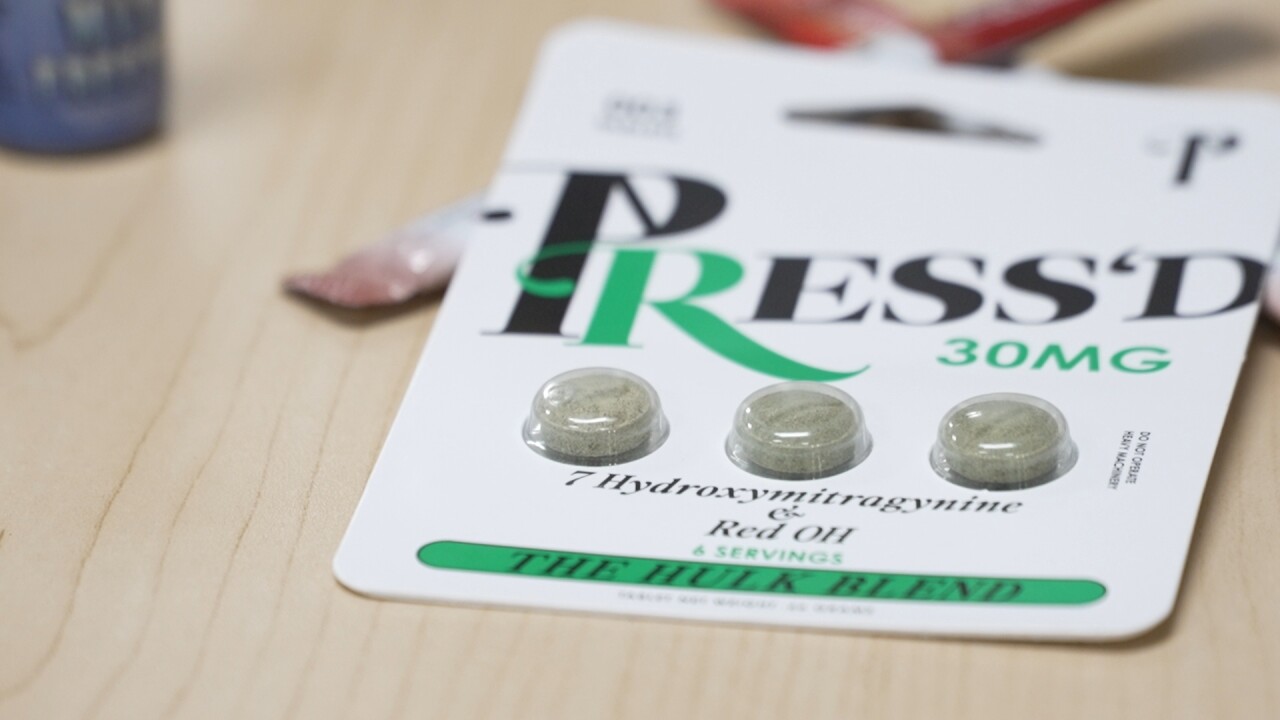
Stevens said he worries the prohibition could affect local kava bars and similar establishments in Billings, leading to lost jobs and reduced sales.
"Montana needs to lead and not panic," said Stevens. "I believe that we should wait until the state or federal officials, the elected officials, decide on what to do about it.”
Stefen Flores, who works in the kratom industry, echoed those concerns. Flores has worked in the industry for four years and said he has seen natural kratom help people who previously struggled with addiction.
"I work in a community filled with ex-addicts, alcoholics who no longer use and have switched to kratom," said Flores. “I do not see a lot of abuse. I do not see a lot of health problems.”
Fores said he fears reduced access could lead some people back to other harmful addictions.
“I'm concerned that without this readily available that there are many people out there who would resort back to alcohol or drug use," said Flores.

RiverStone Health officials said they are working with the Montana Board of Pharmacy and state lawmakers on potential legislation in the 2027 legislative session that would better target highly concentrated kratom products, particularly 7-OH.
Still, the new move could create a major shift for local businesses.
"This will hopefully start a conversation with our community across Yellowstone County and across the state of Montana to say, 'Here are the things that can legally be put in our food supply,'" said Forte. "Our primary goal is to keep people safe and make sure that no additional Montanans lose their life due to kratom overdose."
