

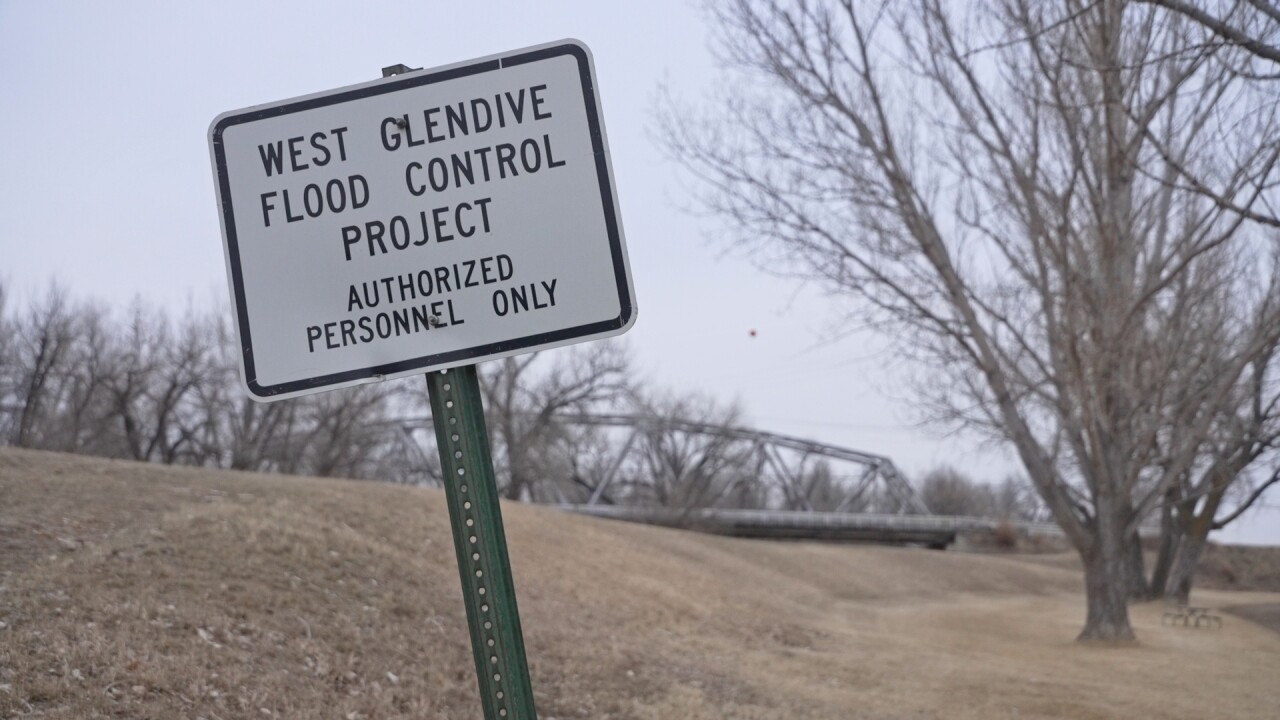


GLENDIVE — Glendive leaders are considering a $15 million levee project that they say could reduce flood risks, remove much of the west side of the city from the floodplain, and unlock long-stalled economic growth, provided voters approve funding for it.
Listen to the full issue below:
For more than two decades, Melonie Beeler has lived on her 10-acre property in West Glendive, a place she said has been a great place to raise a family. However, her home is situated in an area that raises a persistent concern: a floodplain along the Yellowstone River.
"We knew that it was in the floodplain, and so you just buy flood insurance, but you have all that extra cost as a homeowner,” said Beeler.
Beeler’s property is among dozens of homes and businesses in West Glendive affected by the city’s aging levee system, which was built in 1954 but was later deemed uncertified by the Federal Emergency Management Agency (FEMA) in 1980.
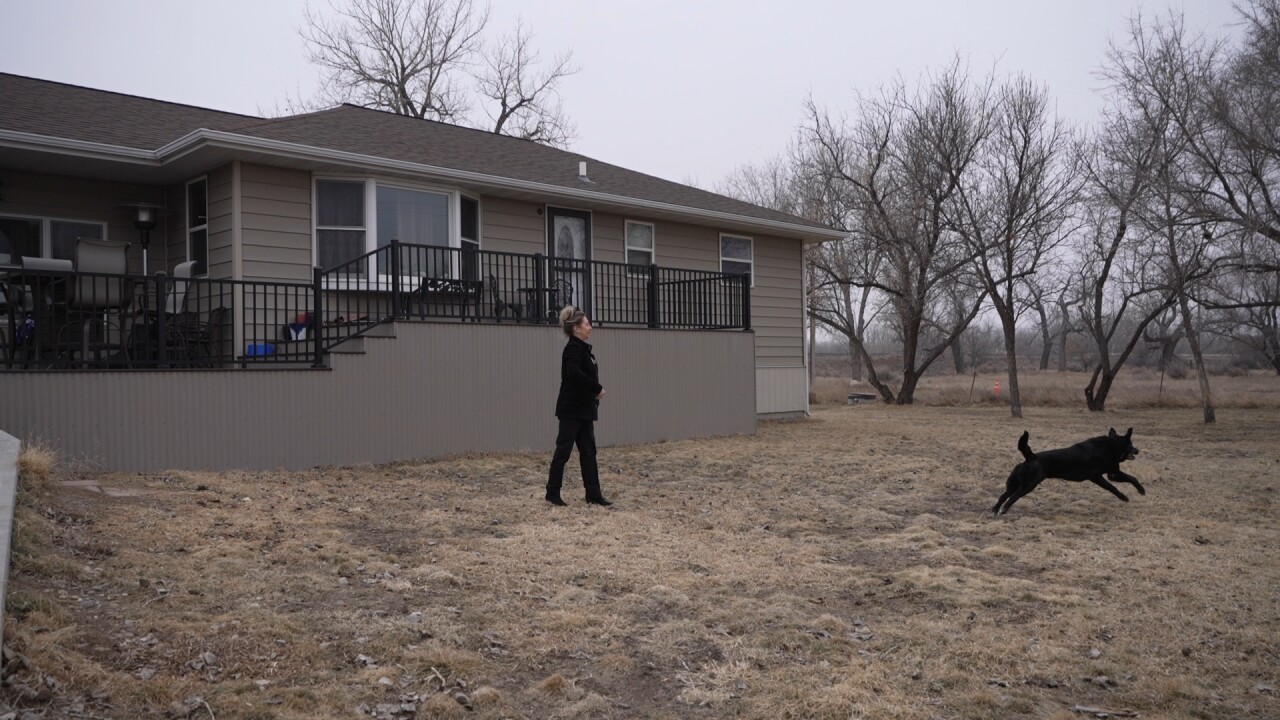
Without certification, large portions of the city remain officially classified as floodplain. The designation limits development, raises insurance costs, and restricts how buildings can be repaired or expanded.
The Yellowstone River splits Glendive in two. In the winter, ice jams can form when frozen chunks pile up near bridges, forcing water out of the river’s banks and into surrounding areas.
Beeler remembers how close rising water once came to her property when ice jammed upstream, and worries about how quickly flooding could spread if the levee were breached.

"The waters backed up about four feet from the top of the railroad tracks,” recalled Beeler. "One of the things that Corps of Engineers said was that how quickly if it were to breach the dyke that the flood would actually come through, so we could be outside playing, and maybe I don't get an alert, and I don't know, and it comes through and then just fills up the whole area."
Glendive Mayor Deb Dion said flooding tied to ice jams has long been part of the community’s history.
"Our Bell Street bridge has been taken out by ice twice, and we have over 30 people have lost their lives in flooding events," said Dion. "I would say we have had a severe flood incident at least every 10 years of my 70-plus years.”

While the levee has only overfilled once with minimal damage, Dion said flooding in areas like Marsh Road has happened repeatedly.
"Homes have been lost there, and frequently, you will see ice chunks on the road larger than a car, so they're big," said Dion.
Because of the designation from FEMA, federal floodplain rules still apply to land behind the levee, which means some properties cannot qualify for affordable flood insurance and face strict rules about development and renovations.
Beeler said those limits even affected her own business decisions, as she once considered moving her insurance company into the vacant former McDonald’s building, but floodplain restrictions made renovations impractical.

“We really should be that economic hub, but we struggle because we don't have the land, because you can't build new in the floodplain area. You can't do enough improvements to actually maintain the buildings or improve the buildings," said Beeler.
About 178 residences and 50 businesses are located within the floodplain. Even the city’s only two grocery stores fall within the zone.
"If you buy groceries in Glendive, it does affect you because both of our grocery stores are in the floodplain," said Dawson County Commissioner Dennis Zander.
Residents and officials said the restrictions have slowly reshaped Glendive’s economy. When Dion was growing up, she said the area had more restaurants and small businesses. Today, some commercial areas are largely vacant, including the former Kmart shopping center.
“People saying, 'Why doesn't Glendive grow when we watch the rest of the state of Montana booming?' and Glendive still continues to lose population," said Dion. "We're now less than 5,000 people, and it was at 7,000 when I was in school."

Local officials have been studying solutions for years.
Public Works Director Frank Ceane said the city began working with the U.S. Army Corps of Engineers, Montana’s Department of Natural Resources and Conservation, and engineering partners in 2020.
The work included a federal Section 205 study, a program created under the Flood Control Act of 1948 that allows the Army Corps to partner with local governments on smaller flood-control projects.
The study concluded that raising the levee roughly three to three-and-a-half feet would provide protection equivalent to a 100-year flood level and remove large portions of West Glendive from the floodplain.
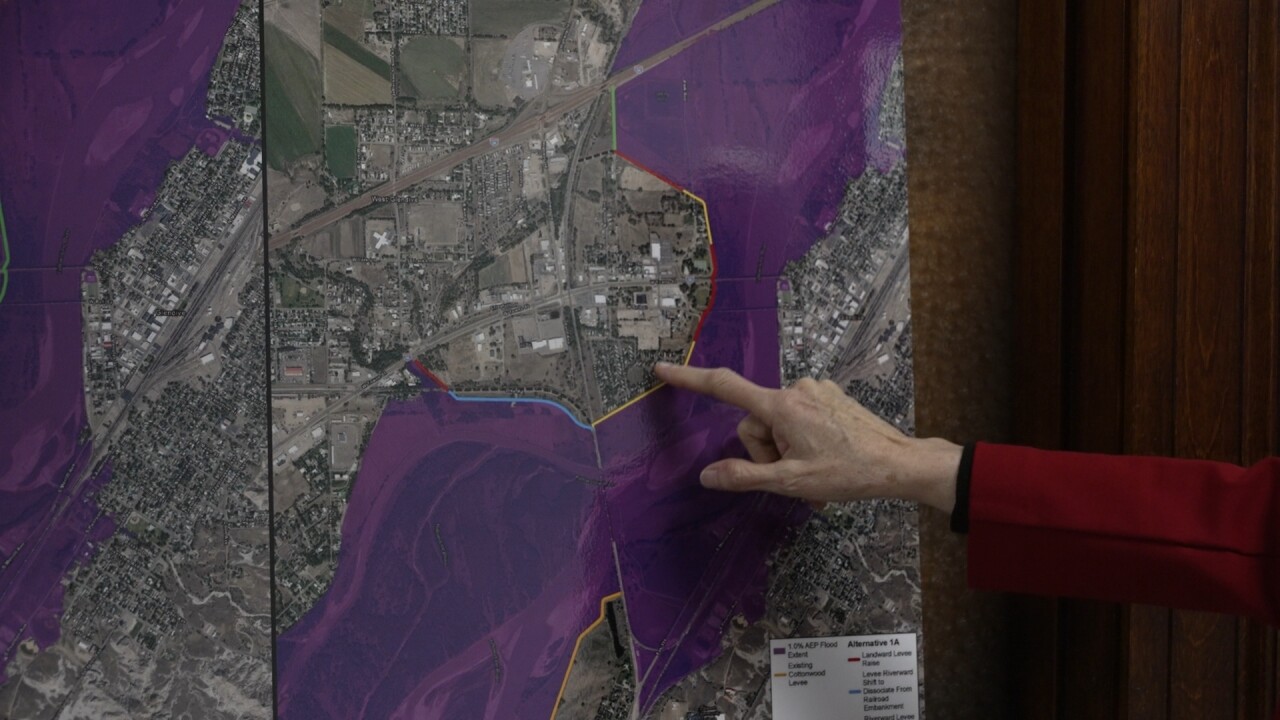
Zander said the project could finally resolve a problem that has halted development for decades.
"We finally have gotten the recommended alternative to raise the levy, which would solve up to the 100-year floodplain protection,” he said. "It's been a hindrance on our community that's hung around us for 40 years now."
The project would also extend parts of the levee to roughly three miles.
Dion said the estimated cost of the project is about $15 million. The Army Corps of Engineers would cover about 65% of the cost, leaving the remainder, roughly $4.9 million, for the city.
City leaders are exploring congressional funding through U.S. Sen. Tim Sheehy’s office that could potentially cover the remaining cost. If that funding does not come through, officials say they are looking to ask voters to approve a bond on the ballot in June.
Ceane said the bond would cost homeowners about $1 per month for every $100,000 in property value.
"It's never going to get cheaper than that," he said.

Even if the project does not move forward, the city will still face updated floodplain maps from FEMA that could expand the designated flood area. Without the levee improvements, officials say development restrictions will remain.
"There'll be a lot of people that don't agree with it, but regardless, we're still required to play by (FEMA's) rules,” said Ceane. "If this doesn't pass, the problem will get worse, and it's never going to get cheaper.”
"We just can't do anything to grow until we address this floodplain. It's really crippled our little community," added Dion. "We don't know when the next deadly flood will come, and an opportunity to be proactive and prevent loss of life, I think, is a critical role for the city to play, and as a mayor, I'm really concerned that we have to do this now.”
For homeowners like Beeler, the choice is about Glendive's future, which could finally get the room it needs to grow again.
“That's why we have taxes, is this order to support our community, to maintain our community," said Beeler. "I think this is our opportunity. This is our one chance.”
